DIY Educational Toys: Developing Skills with Craft Projects for Children
The Joy and Benefits of Crafting Educational Toys
Crafting your own educational toys can be an exciting journey for both parents and children. These DIY educational toys not only provide endless fun but also foster essential skills in young learners. Through hands-on projects, children explore their creativity, enhance problem-solving abilities, and build critical thinking.
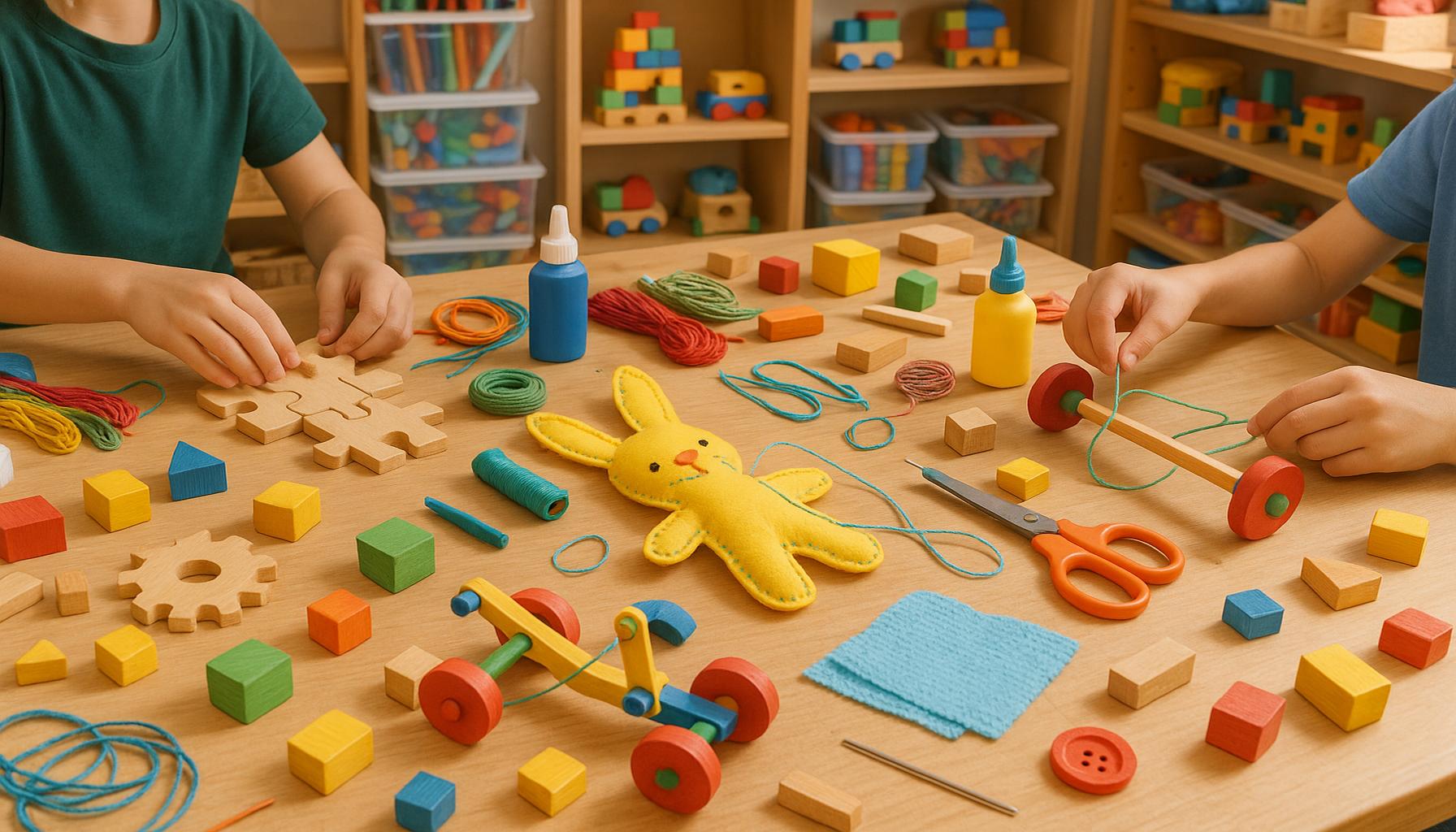
Engaging in craft projects allows kids to experience a host of developmental benefits. Activities such as cutting, gluing, and assembling materials aid in developing fine motor skills. For example, young children can practice using scissors to cut out shapes for a homemade puppet or a simple puzzle, which helps build their dexterity and hand-eye coordination.
Moreover, encouraging imaginative play is a key aspect of crafting. When children are given basic materials — cardboard boxes, fabric scraps, or even empty bottles — they can unleash their creativity by customizing their creations. Imagine a child transforming a cardboard box into a spaceship, which not only serves as a fun play area but also provides a canvas for imaginative storytelling and role-play. Such experiences are crucial as they stimulate cognitive development and social skills through cooperative play.
Additionally, crafting educational toys can introduce basic STEM concepts in a fun and interactive way. Projects like building a simple catapult using wooden spoons, rubber bands, and a small plastic cup can teach concepts such as force and motion. This hands-on experimentation helps children grasp fundamental scientific principles while engaging in play, reinforcing their understanding and sparking further inquiries.
Parents across the United States are increasingly interested in sharing meaningful, interactive experiences with their children. As the culture shifts towards educational engagement, parents are seeking innovative ways to incorporate learning into home activities. This article will delve into the advantages of creating educational toys at home and provide inspiration for various projects tailored for different age groups.
From simple activities that utilize typical household items to more intricate designs requiring additional materials, the possibilities are endless. For instance, the classic game of “DIY Washable Paint” using flour, water, and food coloring can offer children an opportunity to explore color mixing and art. For older children, building models from kits can challenge their engineering skills while allowing creativity to flourish.
Join us as we explore innovative ideas that can spark engagement and learning, transforming playtime into an enriching experience. Each project not only enhances a child’s skill set but strengthens the bond between parent and child, making for joyful memories that last a lifetime.
DISCOVER MORE: Click here to delve into the power of collaboration
Craft Projects That Inspire Learning
When it comes to fostering creativity and learning in children, the potential of DIY educational toys is unmatched. Engaging craft projects not only entertain young minds but also serve as foundational learning experiences that are both enjoyable and educational. The beauty of these activities lies in their ability to combine play with crucial skill development, all while allowing children to express their individuality.
One of the primary benefits of creating educational toys at home is the opportunity for hands-on learning. Children are naturally curious and hands-on projects cater to this inquisitiveness, allowing them to discover concepts actively. Here are some notable DIY projects that combine fun and education:
- Homemade Instruments: Children can create simple musical instruments using materials like tin cans, rubber bands, and rice. This encourages exploration of sound and rhythm while also introducing fundamental concepts of music.
- Nature Exploration Kits: Transform a simple backpack into an educational toolkit with items like magnifying glasses, bug catchers, and sketchbooks. Kids can observe local wildlife and document their findings, promoting scientific inquiry and environmental awareness.
- DIY Counting Games: Use colorful beads or pom-poms strung on yarn to create counting aids. These interactive tools help younger children practice basic math skills in a playful way.
- Puppets from Recycled Materials: Encourage storytelling and communication by making puppets from old socks or paper bags. This project boosts imagination and social skills as children perform and engage in role-playing.
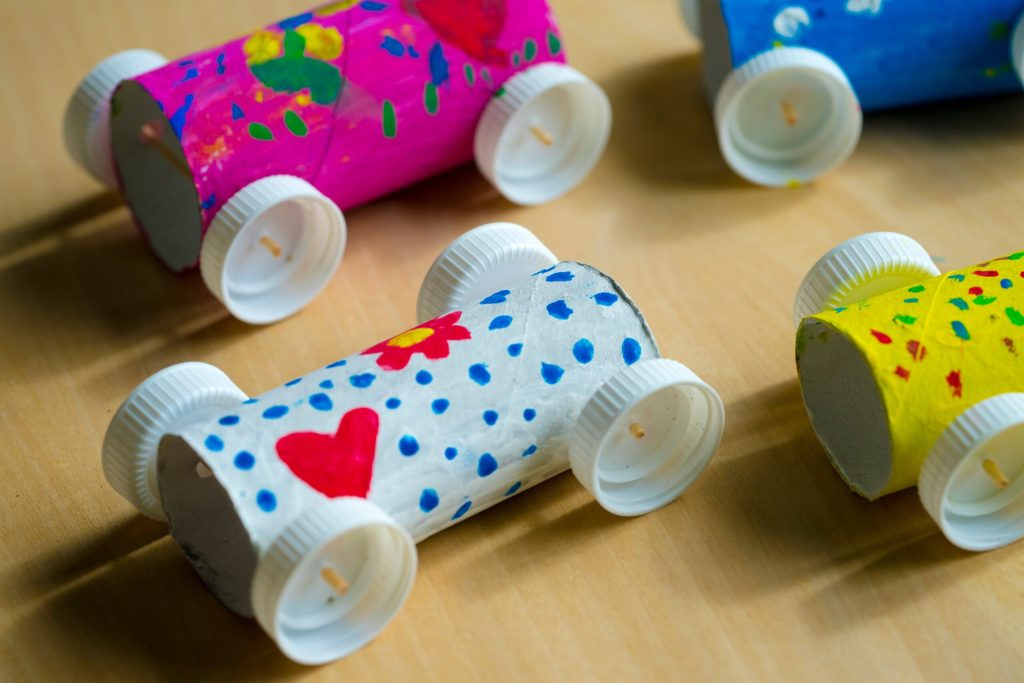
Complementing the artistic side, crafting educational toys also nurtures critical thinking and problem-solving skills. In the process of creating a toy, children encounter challenges that require them to think creatively and apply logic. For instance, while constructing a homemade robot from boxes and bottle caps, they must decide how to balance proportions and ensure stability. These seemingly simple tasks empower children to make decisions and learn from the outcomes, reinforcing their resilience.
Furthermore, DIY projects can be easily tailored to suit various age groups, enhancing both engagement and educational value. Younger children might focus on projects that involve bright colors and simple shapes, such as crafting a fabric collage, while older kids can tackle more complex models that demand a better understanding of assembly and mechanics, like building a birdhouse. This flexibility allows parents to continually challenge their children, ensuring a stimulating learning environment.
As families continue to embrace the idea of hands-on learning, the demand for innovative educational resources is on the rise. Crafting educational toys at home not only leads to the development of vital skills in children but also offers precious bonding moments between parents and children. With an assortment of household items at their disposal, families can turn ordinary days into extraordinary learning adventures, making the exploration of skills both effective and enjoyable.
| Aspect | Benefits |
|---|---|
| Creativity Enhancement | Engaging children in craft projects stimulates their imagination, allowing them to explore new ideas and express themselves through various materials. |
| Fine Motor Skills Development | Using tools like scissors, glue, and paint helps improve children’s hand-eye coordination and dexterity, essential for everyday tasks and academic success. |
The world of DIY educational toys offers an exciting avenue for children to develop essential skills while having fun. Craft projects encourage not only creativity but also cognitive improvements. As children design and construct their own toys, they gain confidence in their problem-solving abilities, learning to troubleshoot and make adjustments on the go. For example, a simple cardboard box can be transformed into a spaceship, fostering imaginative play while instilling engineering concepts.Moreover, these DIY projects create opportunities for collaboration. As children work together, they learn valuable social skills, such as communication and teamwork. Whether it’s sharing materials or brainstorming ideas, these interactions lay a foundation for future collaborations both in academic settings and beyond.The educational impact of DIY toys transcends traditional play. By implementing these craft activities, parents and educators nurture a well-rounded skill set in children, enabling them to tackle challenges head-on and emerge as innovative thinkers in a rapidly changing world. Explore the plethora of ideas available for creating wonderful DIY educational toys, and watch your child’s skills soar!
DIVE DEEPER: Click here to explore the role of improvisation in music
Unlocking Creativity Through DIY Toys
The universe of DIY educational toys is not only a pathway to skill development but also a captivating realm of creativity. Engaging children in crafting activities opens doors to a diverse array of learning opportunities, particularly when it comes to harnessing their artistic impulses. These craft projects not only allow kids to explore their creative sides but also play a vital role in cognitive and emotional growth.
Artistic projects, such as making customizable building blocks from recycled materials like cardboard or old wooden crates, encourage children to express themselves through design. As they paint, stack, and arrange these blocks, they engage in a process that bolsters their fine motor skills and hand-eye coordination. These activities promote thoughtful experimentation, allowing children to learn about spatial relationships and structural integrity while delighting in their creations.
Moreover, infusing elements of art into mathematical concepts can yield remarkable outcomes. Projects like geometric kite-making are excellent examples where children can combine design and mathematics seamlessly. By measuring, cutting, and assembling the kites, they gain practical experience with shapes, angles, and symmetry. Once the kites are completed, children can even explore concepts of aerodynamics as they watch their designs take flight, merging playtime with significant educational lessons.
In another educational craft avenue, the creation of story stones can serve to enhance literacy and storytelling skills. Children can paint images or words on small rocks to represent various characters, settings, or actions. This interactive game helps stimulate imagination and vocabulary development as they craft narratives, fostering a love for storytelling while honing their communication abilities. Parents can join in the fun, reading together, or even inventing stories, turning this youthful activity into a collaborative learning opportunity.
An intriguing aspect of DIY educational toys is their ability to teach children about the environment. By making bird feeders out of empty plastic bottles or pine cones smeared with peanut butter and rolled in seeds, children learn the importance of caring for local wildlife and promoting biodiversity. As they observe birds flocking to their feeders, kids gain firsthand insight into nature, enhancing their appreciation for ecological systems.
In addition, the process of engaging in collaborative projects can build teamwork skills. Organizing a group project, such as creating a large mural or constructing a community garden from recycled planter boxes, not only fosters social interaction but also instills a sense of responsibility towards others. Children learn to share ideas, negotiate roles, and work towards a common goal—critical skills they will carry into adulthood.
Finally, as families embark on these crafting adventures, they can integrate key themes of cultural education. For example, by creating cultural dolls inspired by diverse traditions, children not only learn about different cultures but also celebrate diversity and inclusivity. This kind of project sets the stage for deeper discussions about heritage and acceptance, forging connections that enrich children’s worldviews.
In essence, engaging children in the world of DIY educational toys is an investment in their future. These craft projects present a myriad of opportunities for experiential learning that bridges creativity, critical thinking, and emotional intelligence in a format that is both stimulating and enjoyable. As families make time for these activities, they build nurturing environments that transform everyday materials into powerful educational resources.
DISCOVER MORE: Click here to learn how music enhances creativity
Empowering Future Generations Through DIY Learning
To summarize, DIY educational toys serve as a multifaceted approach to promoting essential skills in children while simultaneously nurturing their creativity. Each craft project, whether it be designing colorful building blocks or constructing story stones, creates a unique blend of learning and play that encourages cognitive development, emotional intelligence, and social skills. These activities go beyond fun; they are powerful teaching moments that engage children in an experiential learning process, leading to profound understandings about the world around them.
As parents and educators embrace these hands-on activities, they invest not only in the children’s present play but also in their future potential. By providing opportunities for teamwork and cultural awareness, DIY projects cultivate a sense of community and empathy. The diversity of choices available—from eco-friendly bird feeders to geometric kites—ensures that children can find their passions in crafting, stimulating lifelong learning.
Moreover, as families engage in crafting together, they foster bonds that reinforce the value of collaboration and shared experiences. In today’s digital age, where screen time often dominates, turning to DIY educational toys is a refreshing reminder of the importance of tactile learning and organic exploration. It’s time for parents and caregivers to step into this creative world, transforming simple materials into avenues for discovery and enlightenment.
Ultimately, embracing DIY educational toys is about empowering children with the tools they need for success, nurturing a generation that values creativity, critical thinking, and community. Each project is a building block towards a brighter, more informed future. So, gather supplies, ignite creativity, and let the adventure begin!