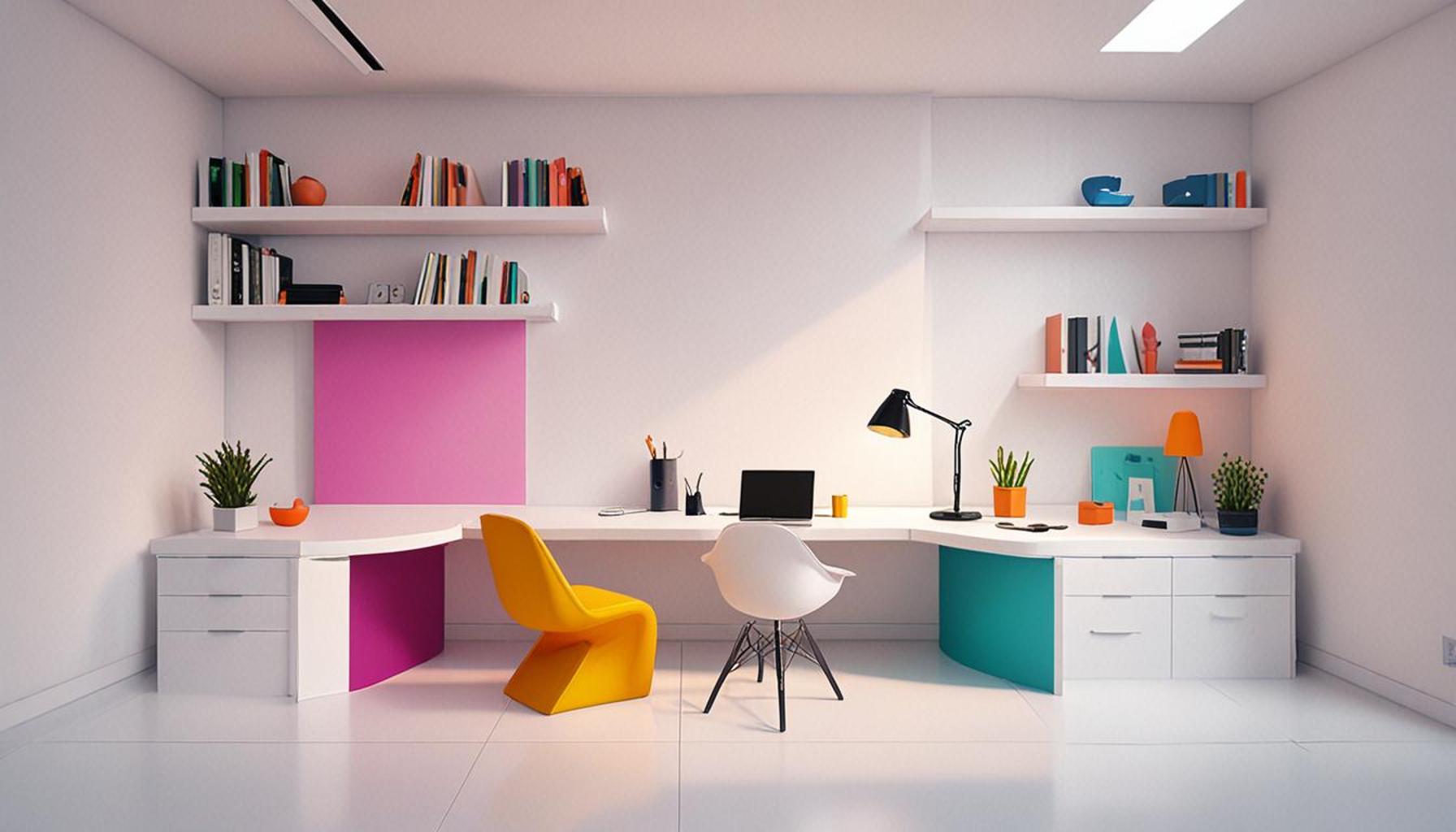
Boost Productivity with Simple Design for Personal Organization

Embracing Simplicity in Personal Organization
In a world inundated with distractions and complexities, simplicity has emerged as a beacon of clarity. The principles of minimalism advocate for decluttering both our physical and mental spaces, promoting a more focused and productive lifestyle. By harnessing the power of simple design, individuals can reshape their personal organization methods, ultimately leading to enhanced efficiency and well-being.
Research indicates that streamlined environments significantly improve focus and reduce stress, contributing to a more organized life. This article explores how adopting simple design principles can transform your daily routines and productivity. Prepare to discover the Top 5 strategies that can elevate your personal organization and help you reclaim your time.
From decluttering your workspace to utilizing intuitive digital tools, these strategies are not just trends; they are practical solutions aimed at improving your life. Let’s dive deeper into how simplicity can pave the way for a more organized and productive future.
Top 5 Ways Design Simplicity Can Enhance Productivity and Personal Organization
In our constantly evolving world, characterized by its fast pace and an endless stream of information, people often find themselves overwhelmed by the complexity surrounding them. From cluttered workspaces to convoluted digital interfaces, the barrage of stimuli can throttle productivity and obscure personal organization. In response, the trend of design simplicity emerges as a beacon of clarity, offering innovative strategies to enhance our daily lives. This article examines five compelling ways that embracing simplicity in design can revolutionize how we work and organize our personal routines, leading to a streamlined, fulfilling lifestyle.
5. Clear Visual Hierarchy
At the heart of effective design simplicity lies the principle of a clear visual hierarchy. This concept involves arranging elements in a way that subconsciously guides the viewer through content in an order of importance. In essence, it surfaces the most crucial aspects first, ensuring immediate attention where it’s needed most.
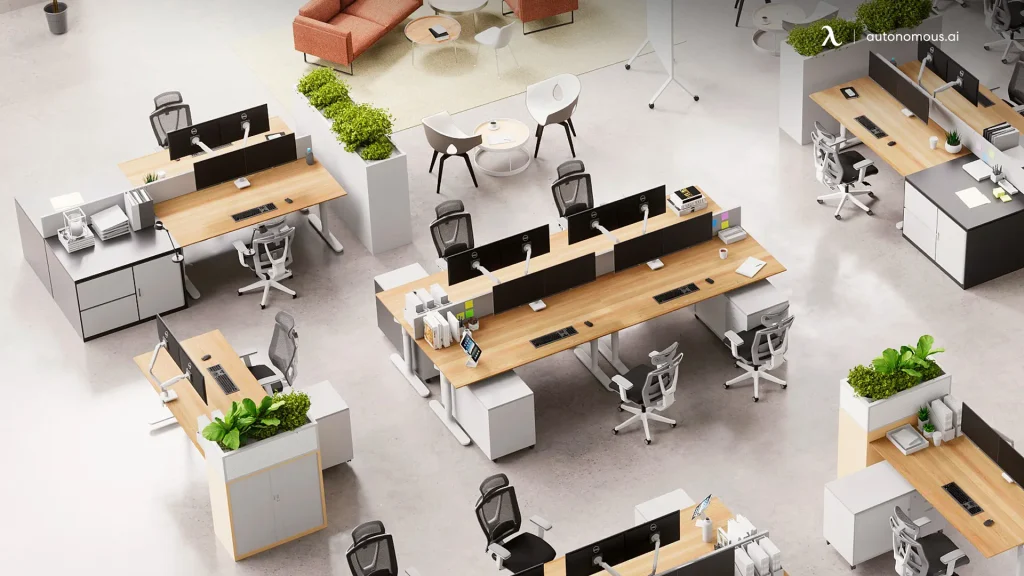
Imagine entering a workspace where papers are piled haphazardly, electronic notifications ping incessantly, and navigation seems aimless. Such an environment breeds distraction and decision fatigue. Contrast this with a space where walls and interfaces direct your gaze naturally towards principal tasks, helping one find order in chaos.
The benefits are clear when a well-defined visual hierarchy is applied:
- Direct attention to essential tasks or information: By highlighting primary elements, individuals can easily focus their energies without sifting through irrelevant distractions.
- Reduce decision fatigue by simplifying options: With fewer choices to deliberate, mental resources are preserved, enhancing efficiency.
- Enhance comprehension of complex data or processes: Logical structuring allows for quicker absorption and understanding of information.
This approach promotes better task prioritization, ultimately leading to improved productivity and focus.
4. Minimalistic Interfaces
In the digital realm, interfaces serve as the gateway to information and productivity. The allure of minimalistic interfaces has become a hallmark among leading applications and digital platforms, admired for their ability to enhance user experience by reducing the cognitive load.
Consider the success of applications like Google or the clean design of Apple’s products. Their simplistic, yet powerful interfaces stand as a testament to the effectiveness of minimalism. Key characteristics of these interfaces include:
- A limited color palette that reduces visual noise: Excessive colors can clutter the mind, whereas minimal tones soothe and direct focus.
- Generous use of white space, creating breathing room: White space is not just empty space; it’s a powerful design tool that reduces distractions.
- A focus on intuitive navigation: Simplified menus and logical layouts ensure users find what they need effortlessly and swiftly.
By concentrating on what truly matters and eliminating extraneous details, minimalistic interfaces allow users to perform tasks efficiently and effectively, paving the way for heightened productivity.
3. Enhanced Focus and Reduced Clutter
Design simplicity extends beyond the digital world into the physical space. The human brain is wired to seek order in chaos, and a cluttered environment can significantly impede focus. By simplifying and organizing our surroundings, we create a nurturing space conducive to concentration and creativity.
Here are several strategies to bolster this transformation:
- Adopt a “one in, one out” policy for physical items: This prevents accumulation and maintains a sense of order.
- Use digital tools to organize files, keeping only what is necessary: Digital decluttering mirrors physical organization, ensuring easy access to essential information when needed.
- Incorporate minimalistic decor to promote tranquility and focus: Thoughtfully selected decor that prioritizes serenity over excess sharpens mental clarity and reduces stress.
A workspace that fosters clarity and tranquility enhances cognitive function, allowing individuals to engage more deeply with their work, thus improving efficiency and satisfaction both personally and professionally.
2. Streamlined Workflow Processes
Efficiency thrives in simplicity. By adopting a streamlined workflow approach, individuals and organizations can minimize errors and inconsistencies often caused by convoluted processes. The key is to remove unnecessary steps and refine remaining actions to create a seamless operation.
Consider these practices to facilitate a streamlined workflow:
- Utilize project management software for clear task tracking: Applications like Trello and Asana allow teams to organize and visualize tasks effectively, ensuring coherence and awareness.
- Integrate automation tools to lessen repetitive workloads: Automation saves time and reduces human error, allowing resources to be allocated to more critical tasks.
- Establish checklists to ensure no steps are overlooked: Checklists provide a reliable reference that standardizes operations and ensures consistency.
Potential time consumers are eliminated, enabling goals to be achieved with less effort, facilitating higher productivity and professional satisfaction.
1. Fostering a Mindful Approach to Organization
The crowning benefit of embracing design simplicity is the cultivation of a mindful approach to organization. Simplifying our environments and processes requires thoughtful reflection, encouraging individuals to determine what’s truly important and discard the rest.
Integral practices for fostering mindfulness through design simplicity include:
- Regularly reassess your belongings and digital spaces for relevance and necessity: By questioning and editing possessions, one retains only those items that add value.
- Set intentional goals and break them down into manageable steps: Clear, actionable steps steer efforts efficiently toward desired outcomes.
- Embrace a habit of daily reflection: Reflecting on daily achievements and challenges keeps priorities aligned and fosters a sense of balance.
This mindful approach nurtures intentionality in actions, assisting individuals not only in boosting productivity but also in finding fulfillment and purpose in their endeavors.
In conclusion, the benefits of design simplicity extend across visual clarity, process efficiency, and mindful living. By integrating these principles into daily practices and spaces, we are equipped to navigate complexities with ease, ensuring productivity and personal organization are not only maintained but significantly enhanced. Embracing simplicity isn’t merely a design choice, but a lifestyle that promises a more intentional and gratifying experience.
In the realm of personal productivity and organization, the principle of design simplicity emerges as a revolutionary catalyst. This principle advocates for the elimination of clutter and the adoption of a streamlined approach, which can significantly enhance individual efficiency. Here is an exploration of how design simplicity tangibly improves productivity through an organized environment.When considering workspace organization, simplicity plays a vital role. By ensuring that only essential items occupy the workspace, individuals can reduce distractions. Research indicates that a cluttered environment can elevate stress levels and inhibit focus. Therefore, by intentionally curating one’s workspace, the individual is naturally more inclined to concentrate, leading to better productivity outcomes. For instance, adopting minimalistic designs in office furniture—such as a clean desk with just a laptop and a notebook—can foster a more peaceful and productive atmosphere.Design simplicity extends beyond mere aesthetics; it also encompasses functionality. Simple designs often lead to intuitive use of tools and systems. An example of this is the implementation of digital organizational tools with user-friendly interfaces. These applications prioritize simplicity by offering straightforward navigation and clear labeling, enabling users to find what they need quickly without sifting through layers of complexity. The advantages are twofold: users save time and enhance their efficiency as they focus on completing tasks rather than figuring out how to operate the tool.Moreover, simplicity facilitates better communication. In both personal and professional contexts, clear and concise communication is paramount. Simplified design in communication materials—such as presentations or documents—ensures that messages are delivered effectively without unnecessary complexity that can obscure the main points. Studies have shown that audiences grasp simplified information more readily, making it easier to collaborate effectively and reduce confusion.Additionally, the impact of design simplicity can also be seen in personal digital organization. By structuring digital files and emails with simplicity in mind—using clearly defined folders and labels—individuals not only locate information quicker but also reduce cognitive load. This streamlined digital organization allows for a smoother workflow, enabling users to shift focus more easily between tasks and prioritize their responsibilities effectively.Lastly, the psychological advantages of design simplicity cannot be ignored. A simple and uncluttered environment contributes to a sense of calm and order, which is beneficial in reducing anxiety and boosting motivation. When individuals feel in control over their surroundings, they are more likely to engage enthusiastically in tasks at hand. The positive correlation between a tidy environment, higher motivation levels, and increased productivity fosters a productive lifestyle that can lead to better personal and professional outcomes.In essence, the advantages of embracing design simplicity in various aspects of life are profound and far-reaching. By prioritizing minimalism in spaces, tools, communication, and digital organization, individuals can create an environment that not only enhances productivity but also fosters a sense of clarity and control—key ingredients for personal and professional success.
Frequently Asked Questions about Design Simplicity and Personal Productivity
What is design simplicity and how does it relate to productivity?
Design simplicity involves creating environments and products that are straightforward, uncluttered, and intuitive. By reducing unnecessary elements, individuals can focus better and work more efficiently. When applied to personal productivity, the principle of simplicity helps streamline tasks and eliminate distractions, enabling people to concentrate on what truly matters. This approach encourages a more organized, purposeful, and less stressful lifestyle.
How can simplifying design improve personal organization?
The concept of simplicity is tied to decluttering both physical spaces and mental processes. Simplifying design can improve personal organization by providing clearer structures and mechanisms for managing daily activities. For instance, using minimalist apps or tools allows individuals to track tasks without being overwhelmed by features. This helps maintain a clearer overview of goals and priorities, leading to better time management and efficiency.
Are there any examples of products or methodologies that embody design simplicity?
Many successful products and methodologies exemplify design simplicity. Notable examples include the bullet journal method, which focuses on rapid logging and simple task tracking, and apps like Notion or Evernote, known for their flexible, user-friendly interfaces without excessive complexity. These solutions emphasize ease of use and customization, making them effective tools for enhancing both productivity and personal organization.
Can design simplicity help reduce stress and improve mental clarity?
Yes, design simplicity can significantly reduce stress and enhance mental clarity. This is achieved by minimizing information overload and creating environments that promote focus and calmness. When a person interacts with well-designed, simple tools or spaces, it reduces the cognitive load, meaning they expend less mental energy on processing unnecessary elements, allowing them to direct that energy towards more productive and creative endeavors.
How can someone start implementing design simplicity in their daily life?
To incorporate design simplicity into daily life, one can start by critically evaluating their current surroundings and identifying clutter or complexity that hinders productivity. Adopting a minimalist approach to possessions, prioritizing essential tasks, and using tools and applications that emphasize simplicity are recommended steps. This may involve gradually letting go of superfluous items and commitments, thereby fostering a more focused and efficient lifestyle.
Conclusion
In the quest for enhanced productivity and personal organization, design simplicity emerges as a powerful tool. Throughout the article, we have explored how stripping back the unnecessary can lead not only to a visually appealing environment but also a more efficient and focused lifestyle. Adopting simplicity in design encourages us to prioritize what truly matters, eliminating distractions and creating a calmer, more streamlined space.
Key Takeaways
- Focus and Clarity: Simple design fosters an environment that minimizes cognitive overload, allowing individuals to concentrate better on tasks at hand.
- Time Efficiency: By reducing clutter, both physically and digitally, individuals can save time previously spent searching for items or information.
- Enhanced Decision Making: A minimalistic approach can simplify choices, reducing decision fatigue and allowing for more thoughtful and deliberate actions.
- Improved Well-being: Clean, organized spaces can contribute to lower stress levels, improving mental clarity and overall well-being.
- Adaptability: A simple design is versatile and can adapt to changing needs, allowing for easier adjustments to personal and professional environments.
The principles of design simplicity, rooted in minimalism, invite us to consider the profound impact our surroundings have on productivity and organization. As we navigate an era flooded with information and constant stimuli, embracing simplicity helps cultivate a sanctuary for focus and productivity. For those intrigued by the transformative power of minimalism, delve deeper into how intentional design choices can redefine your personal and professional life.