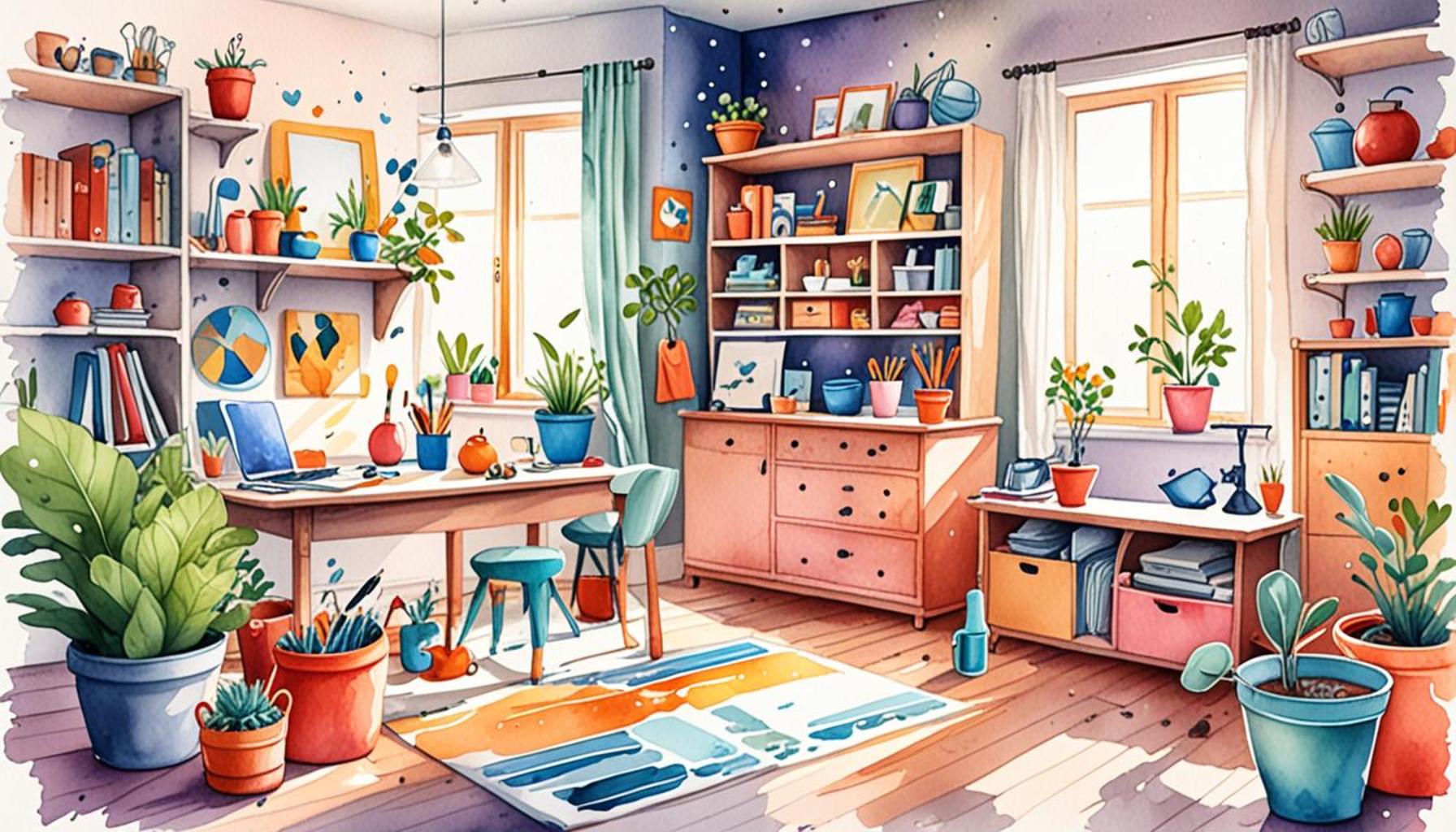
Boost Mental Health The Key Role of Decluttering for Well-Being

Introduction
In today’s fast-paced world, life often feels like a never-ending race filled with an overwhelming influx of possessions and responsibilities. This clutter not only fills every corner of our physical space but also overflows into our minds, significantly impacting our mental health. Understanding the importance of decluttering is a vital step towards achieving greater well-being. The concept may seem simple, but its effects are profound.
Minimalism and personal organization have emerged as effective methodologies for combating stress and enhancing mental clarity. By reducing distractions and removing unnecessary items, individuals can create a more peaceful and focused environment conducive to mental health improvement. The clear connection between a clutter-free space and a clutter-free mind is not just a theoretical concept. It is backed by both research and numerous personal anecdotes.
Exploring the Benefits
In this article, we will delve into the top 5 benefits of decluttering, providing insights into how these practices can significantly elevate your mental state and overall well-being. With studies indicating that a clean environment helps reduce anxiety and aids concentration, the relevance of decluttering cannot be overstated. You’ll uncover practical strategies to start your decluttering journey, witnessing firsthand its profound effects on your mental health.
Top Benefits of Decluttering
- Reduces Stress: Clutter can cause stress and anxiety. A tidy space promotes feelings of calm and control.
- Increases Productivity: A well-organized environment helps improve focus and efficiency, allowing you to accomplish more in less time.
- Improves Sleep: A peaceful surrounding contributes to better sleep quality, as less clutter can mean fewer distractions.
- Enhances Creativity: With fewer distractions, your mind has the space to wander and generate new ideas freely.
- Empowers Decision Making: A clear environment reflects a clear mind, enabling you to make decisions more confidently and efficiently.
By integrating decluttering into your lifestyle, you not only create a more organized living space but also foster a healthier mental state. The journey to declutter can be both empowering and liberating, thus offering a new perspective on life.
The Importance of Reducing Clutter in Mental Health and Well-Being
In today’s fast-paced world, the significance of mental health and well-being cannot be overstated. Amid the incessant demands on our time and attention, our environments play a pivotal role in shaping our mental states. One often overlooked aspect that holds considerable sway over our mental well-being is the clutter surrounding us. This article explores the top five reasons why reducing clutter is essential for mental health and well-being, guiding readers toward more organized and peaceful lives.

5. Enhanced Focus and Productivity
The impact of clutter on our ability to focus and remain productive cannot be underestimated. Studies suggest that when our environment is chaotic and disorganized, our minds tend to reflect that chaos, making it difficult to concentrate on our tasks. When you reduce clutter, you create a cleaner, more organized space that allows for increased concentration. A clear workspace enhances productivity and boosts creativity. With fewer distractions, individuals can engage more fully with their tasks and sustain a better work momentum.
- Increased creativity due to an organized environment that fosters innovation.
- Improved ability to concentrate on tasks without unnecessary disruptions.
- An enhanced workflow that leads to improved efficiency.
Creating an organized workspace is a vital starting point. Consider decluttering your desk, removing unnecessary items, and establishing a designated place for every tool you use. A tidy workspace is not just visually appealing; it also promotes better psychological clarity, thus enabling more efficient and effective work.
4. Reduction of Stress and Anxiety
Living in a cluttered environment can significantly increase stress and anxiety levels. The presence of disorganization contributes to feelings of being overwhelmed and manageable tasks suddenly seem daunting. Engaging in the decluttering process acts as a form of self-care. By clearing out unneeded items, you signal to your brain that you are taking control, which can be a powerful antidote to stress. A study conducted by the UCLA Center on Everyday Lives and Families highlighted that women with significantly cluttered homes experience increased levels of cortisol, a primary stress hormone.
Furthermore, decluttering can symbolize a fresh start or a new chapter in life, leading to greater preparedness for future challenges and promoting a sense of calm. Taking the time to clear your space can significantly reduce feelings of anxiety, ensuring that your environment is a sanctuary rather than a source of stress.
3. Improved Sleep Quality
Clutter is not merely a visual nuisance; it can also adversely affect sleep quality. A messy bedroom with shoes, clothes, and other items strewn about can create an environment unfriendly to relaxation, directly impacting rest. Psychological research indicates that a serene environment promotes deeper and more restful sleep. Bedrooms should be sanctuaries of peace and tranquility, but clutter can disrupt their calming aura, making it challenging to unwind.
Consider incorporating minimalist practices into your bedroom setup. By reducing visual distractions before bedtime, you create a more inviting space for sleep, paving the way for a more rejuvenating sleep experience. Simple practices like making your bed every morning and keeping surfaces tidy can lead to significant improvements in your overall sleeping patterns, resulting in better rest and mental rejuvenation.
2. Fostering Positive Relationships
Our living spaces have a profound impact on how we interact with those we care about. Clutter can cause feelings of embarrassment or anxiety when hosting friends or family, leading to reluctance in inviting others into our homes. This reluctance can distance us from meaningful relationships. By decluttering our spaces, we create an inviting environment that promotes stronger connections with others.
Consider the beneficial impact of having a welcoming home. Inviting friends over can serve as a great motivator to keep your space organized. By taking down unnecessary items and tidying up, you transform your home into a warm and inviting space conducive to social interactions. A clutter-free home nurtures positive relational dynamics, encouraging visits and fostering deeper connections with loved ones.
1. Cultivating Mindfulness and Clarity
At the forefront of our list is the ability to cultivate mindfulness and clarity through the reduction of clutter. In an age where distractions are omnipresent, mindfulness emphasizes the importance of being present and aware of our surroundings. Clutter detracts from that mindset, pulling our attention away from the here and now. A decluttered space offers a more serene environment, enabling individuals to focus on the present moment, thus fostering a deeper connection to oneself.
Engaging in the decluttering process is not just about removing items; it is a practice that encourages reflection on what truly matters. This journey towards minimalism can lead to profound transformations in one’s outlook on life, promoting contentment and clarity of thought.
In conclusion, the acts of decluttering and organizing are much more than aesthetic choices; they are vital for improving mental health and well-being. By understanding the importance of these practices, you embark on a journey of transformation, enhancing not only your space but your mental clarity as well. In the process, you create an environment that supports health, happiness, and personal growth.
Reducing clutter in our physical environment plays a critical role in enhancing mental health and overall well-being. The presence of excess belongings can often create feelings of overwhelm and anxiety, leading to a chaotic mental state. By systematically decluttering our spaces, we invite not only order into our lives but also a profound sense of tranquility. This act of simplification is not merely about tidying up; it symbolizes a deeper emotional and psychological process that can transform our everyday experiences.Moreover, studies have shown that individuals living in a clutter-free environment report higher levels of focus and productivity. When our spaces are organized, it becomes easier to direct our attention towards tasks that matter most, minimizing distractions and improving our efficiency. Furthermore, a well-arranged setting fosters creativity, allowing for a more fluid thought process without the mental blocks typically caused by disorganization.Another undeniable benefit of reducing clutter lies in its effect on stress and anxiety. A cluttered space can act as a constant reminder of unfinished tasks and unmade decisions, creating a persistent undercurrent of stress. In contrast, a minimalist and organized environment can promote a sense of peace, enabling individuals to relax and find solace. The psychological impact of a tidy space can be significant; people often report feeling lighter, more in control, and better equipped to handle the challenges of daily life when surrounded by harmony rather than chaos.Additionally, engaging in decluttering can encourage mindfulness and self-reflection. It prompts individuals to assess what truly matters in their lives, encouraging a process of letting go of past sentiments attached to unnecessary items. This not only clears physical space but also catalyzes emotional liberation. In doing so, individuals can cultivate a more intentional way of living, aligning their surroundings with their values and priorities.The act of decluttering also extends beyond just physical space; it can apply to digital environments as well. With the increasing prevalence of technology in our lives, digital clutter has become another source of stress. Organizing digital files, unsubscribing from unwanted emails, and curating our social media feeds are steps individuals can take toward minimizing this digital noise. Just as a clear desk can enhance productivity, a clean digital space can improve our mental clarity and focus.In summary, the importance of reducing clutter transcends the immediate visual benefits. It fosters a holistic approach to mental health and well-being, emphasizing a balance between our physical surroundings and our inner peace. The journey of decluttering is not merely about creating space; it is a transformative process that can empower individuals to take charge of their lives, ultimately leading to improved mental health and a greater sense of overall well-being.
Frequently Asked Questions on the Importance of Clutter Reduction for Mental Health and Well-Being
What is clutter and how does it affect mental health?
Clutter refers to an accumulation of items that are disorganized or unnecessary, often causing chaos in living spaces. Its impact on mental health can be significant. Studies suggest that excessive clutter can lead to increased stress and anxiety, as it often distracts and reduces our ability to focus. The visual chaos disrupts our brain’s preference for order, potentially leading to feelings of overwhelm.
Is there a direct link between a tidy environment and well-being?
While the connection is still being explored, research indicates that a tidy environment corresponds with improved well-being. People living in organized spaces often report better mood and higher productivity. It’s not just about aesthetics—a clear environment can foster mental clarity and emotional stability. The simple act of decluttering could potentially release dopamine, the ‘feel-good’ hormone, enhancing your sense of accomplishment.
How can reducing clutter aid in stress management?
Reducing clutter can be a proactive approach to managing stress. An organized environment provides a soothing background for daily activities, reducing visual noise that may contribute to feelings of anxiety. By engaging in decluttering activities, individuals can experience a meditative effect, leading to a calmer and more content state of mind. Moreover, the process of organizing can enhance problem-solving skills and give a sense of control, important aspects of stress management.
What are some practical steps to start decluttering?
To start decluttering, begin with small areas one at a time to avoid overwhelming feelings. Focus on sorting items into categories: keep, donate, or discard. Implementing a regular decluttering schedule can maintain order. Digital decluttering is also essential, such as managing emails and files. Remember to celebrate small victories; even minor progress can build momentum and encourage continued effort in staying organized.
Can reducing clutter have long-term effects on well-being?
Yes, many who adopt clutter-reducing habits report sustaining long-term benefits in their mental health and well-being. Decluttering can help form healthier habits, improve relationships, and make spaces more inviting. Over time, maintaining a clutter-free environment can lead to lasting improvements in mental clarity, allowing individuals to focus better on personal goals and enjoy a more serene lifestyle.
Conclusion: The Path to Mental Clarity Through Minimalism
In today’s fast-paced world, the significance of reducing clutter for mental health and wellbeing cannot be overstated. As we’ve explored, the growing trend towards minimalism and personal organization transcends mere aesthetic appeal, delving deeply into the realms of mental clarity and emotional resilience.
One of the main takeaways from our discussion is the undeniable link between a cluttered environment and increased levels of stress and anxiety. Clutter often leads to a constant bombardment of visual stimuli, resulting in overwhelming mental sensations. A well-organized space, on the other hand, can foster a sense of peace and clarity, allowing the mind to focus, relax, and rejuvenate.
Another key point is the enhanced productivity and creativity that comes with minimalistic surroundings. By reducing distractions, individuals can channel their energy more effectively, leading to improved efficiency and innovative thinking. Moreover, as personal organization improves, individuals often find themselves gaining a heightened sense of control, contributing positively to self-esteem and motivation.
The benefits of decluttering also extend beyond the psychological realm, impacting physical health by promoting better sleep and reducing the likelihood of ailments associated with stress. By embracing minimalism, individuals can cultivate environments that nurture both body and mind.
The journey towards minimalism and personal organization is not without its challenges. However, it is a worthy pursuit with profound potential for enhancing mental and emotional wellbeing. As more people become aware of these benefits, there is an opportunity for a societal shift towards more meaningful, intentional living.
Ultimately, the importance of reducing clutter extends beyond tidying up. It’s about creating spaces that support a healthier, more balanced lifestyle, enabling individuals to thrive mentally and emotionally. As the dialogue around this topic continues, further exploration and understanding will unfold, paving the way for a more mindful approach to daily living.