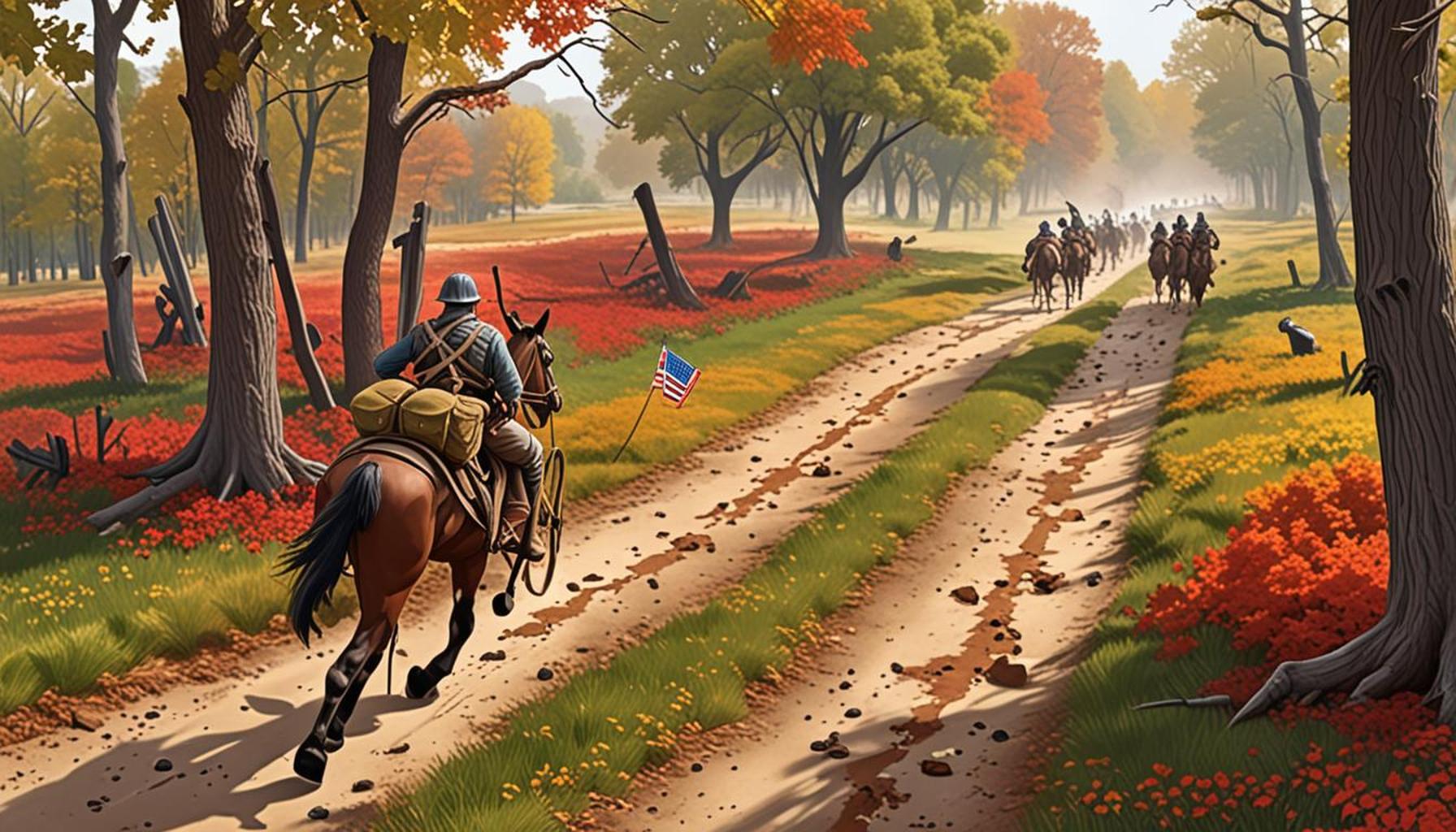
Paths of the Great Explorers: Historical Tours Unveiling the Natural Riches of the USA
Exploring America’s Untamed Frontiers
The diverse landscapes of the United States offer not just picturesque views but a rich historical narrative woven through centuries of exploration and discovery. From the rugged mountains of the Rockies to the tranquil rivers of the Midwest, each geographic feature holds a story, waiting to be uncovered. This vast nation has served as a canvas for explorers, adventurers, and dreamers, whose journeys have shaped the American spirit and landscape.
Embarking on a historical tour allows you to:
- Experience iconic routes frequently traveled by explorers like Meriwether Lewis and William Clark. These intrepid individuals ventured into the uncharted territory of the Louisiana Purchase, documenting their findings and establishing crucial connections with Native American tribes.
- Discover natural wonders that define America’s beauty. The Grand Canyon, with its dramatic, multi-colored landscapes, and Yellowstone National Park, renowned for its geysers and rich biodiversity, are perfect examples of the nation’s unique geological features that have intrigued travelers for generations.
- Engage with local history as you learn about the profound cultural influences of Indigenous peoples, whose ancestral lands span the nation. Visiting sites like Mesa Verde or the many tribal museums provides insight into the vibrant histories and traditions that precede European colonization.
These historical tours not only present breathtaking scenery but also highlight the significance of exploration in shaping the American identity. By walking in the footsteps of those who carved trails through the wilderness, such as John Muir in the Sierra Nevada or the early settlers moving westward, modern travelers can gain a deeper understanding of their motivations and the formidable challenges they faced.
The splendor of a more natural America continues to beckon adventurers and history enthusiasts alike. These journeys are an invitation to connect with the land and delve into stories of resilience and discovery. Whether you choose to hike the Appalachian Trail or canoe along the Mississippi River, the rich tapestry of landscapes and tales awaits your exploration. Join us in uncovering the legacy left by the great explorers and how it continues to illuminate the extraordinary beauty of the United States.
DISCOVER MORE: Click here for culinary travel tips
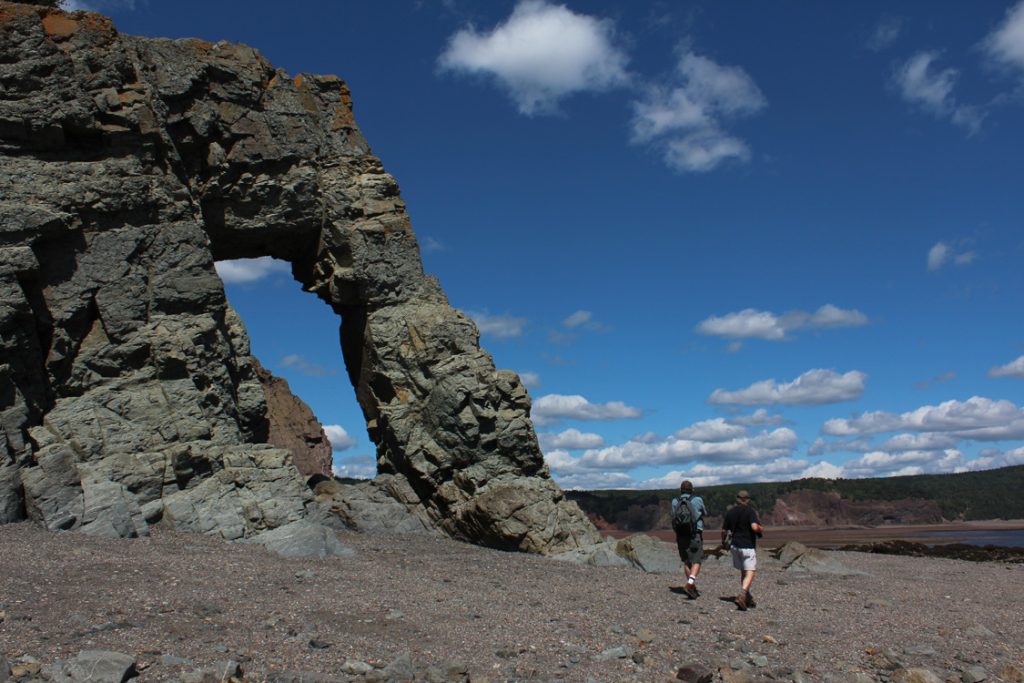
Tracing the Routes of Pioneering Spirits
The quest for discovery in America has engraved pathways into the wilderness, revealing not only spectacular vistas but deepening our understanding of the nation’s historical significance. Each explorer, whether a famous figure or an unsung hero, has contributed to the rich narrative of the United States. Their journeys are echoed in the landscapes they traversed, beckoning modern adventurers to relive their extraordinary tales.
One of the most significant journeys was undertaken by Meriwether Lewis and William Clark, whose expedition from 1804 to 1806 uncovered vast territories of the Louisiana Purchase. Their route, which ran westward across the Great Plains and into the rugged mountains, is now retraced by many seeking to immerse themselves in this remarkable period of American history. The Lewis and Clark National Historic Trail offers a variety of historical tours, allowing visitors to walk where these explorers ventured. Along the trail, you’ll encounter stops that include:
- Fort Mandan in North Dakota, where Lewis and Clark spent the winter of 1804-1805, offers exhibits and reenactments that bring their journey to life.
- The Great Falls of the Missouri River showcasing the breathtaking landscapes that challenged the explorers and their crew.
- The Oregon Trail, a historic route that tells the stories of pioneers who followed in the footsteps of explorers to brave the wild frontier.
Another remarkable figure in the history of exploration is John Muir, a naturalist whose preservation efforts for the Sierra Nevada mountains inspire conservation movements even today. Muir’s writings and profound appreciation for nature turned the wilderness into a beloved retreat. Visitors to Yosemite National Park can embark on guided tours that reflect his early explorations. Here lies a sanctuary where visitors can marvel at the grandeur of towering granite cliffs, majestic waterfalls, and ancient sequoias while learning about Muir’s impact on America’s national park system.
The pursuit of exploration was not confined to individual adventurers but was also a collective effort. Explorers often collaborated with Indigenous tribes, exchanging knowledge and forming alliances. The reverberating impacts of these interactions can be traced through present-day cultural centers across the nation, which highlight Indigenous perspectives and histories. By visiting places such as the National Museum of the American Indian in Washington, D.C., tourists can gain insight into how these cultural exchanges contributed to the rich tapestry of American history.
Whether you’re hiking the ancient trails of the Southwest or venturing into the depths of the Pacific Northwest, historical tours enable you to forge connections with the land and the legacies left behind by trailblazers. By immersing yourself in these experiences, you not only witness America’s natural beauty but also engage with the thrilling tales that continue to shape our understanding of the nation.
Exploring the Trails Blazed by History
The Paths of the Great Explorers provide an intriguing window into America’s past, allowing travelers to walk in the footsteps of iconic figures. Each tour reveals not only the stunning natural landscapes but also the rich historical narratives intertwined with the trails. From the daring expeditions of Lewis and Clark to the intimate stories of lesser-known explorers, these journeys emphasize the significance of exploration in shaping the nation. As participants traverse diverse terrains—from majestic mountains to verdant plains—they gain insights into the challenges and discoveries that defined each exploration.
Immersive Experiences Await
Engaging with the past is essential to understanding the present, and historical tours enrich this experience. Visitors can expect to examine artifacts, participate in guided interpretative programs, and enjoy firsthand accounts, creating a vibrant learning atmosphere. The tours often feature knowledgeable historians and naturalists who unveil the interconnectedness of America’s history and its ecology. Such interactions are not merely tours; they are profound learning experiences that encourage a deeper appreciation for the natural riches the USA offers. The historical context provided by these excursions elevates the journey beyond casual sightseeing to a thorough engagement with America’s heritage.
Why Choose Historical Tours?
Opting for a tour focused on historical trails allows travelers to connect with the story of exploration that has shaped the fabric of the United States. It provides an opportunity to discover less-trodden paths, encounter local cultures, and appreciate the untouched beauty of nature. Plus, the environmental awareness gained during these tours fosters a sense of responsibility towards preservation and conservation efforts, ensuring that future generations can also experience the marvels of America’s wild landscapes.
| Category | Description |
|---|---|
| Adventure | Explore landscapes once traversed by explorers. |
| Education | Learn about historical events and expeditions through guided tours. |
In essence, the Paths of the Great Explorers are more than a series of tours; they are a unique combination of adventure, education, and environmental connection. With each step along these historical trails, participants embark on journeys that enhance their understanding of the USA’s natural heritage and the explorers who dared to unveil it.
DIVE DEEPER: Click here to discover the fascinating tourist routes
Unearthing America’s Untamed Wilderness
The exploration of America has always been tied to the natural landscapes that captivate the human spirit. Renowned explorers ventured into wilderness areas, mapping uncharted territories and forging paths that would later serve as critical routes for future generations. Each stop along these historical trails is a testament to the enduring legacy of exploration, beckoning modern explorers and history enthusiasts alike to uncover the remarkable narratives held within America’s vast natural resources.
Among the influential expeditions was the endeavor of Zebulon Pike, whose journeys in the early 1800s led him to the mountainous regions of Colorado. Today, visitors can follow the Pike National Historic Trail, which retraces Pike’s explorations of the Rockies, highlighting the peaks that still bear his name, including the stunning Pikes Peak. This area is not only a tribute to Pike’s pioneering spirit but also features inviting trails where hikers can absorb the beauty of the serene landscapes while learning about the environmental challenges faced by adventurers of the past.
Further south, the trails forged by Juan de Oñate into what is now New Mexico reveal how exploration and colonization brought significant changes to the region’s cultural and ecological fabric. Today, visitors can explore areas like El Camino Real de Tierra Adentro, a historic route that reflects the Spanish colonial influence. Interwoven with the rich history of Indigenous peoples, this path offers tours that delve into traditional practices, food, and artifacts, allowing tourists to engage with the area’s transformative history and appreciate its vast resources.
In the heart of the Southwest, the annals of exploration also echo the journeys of Frederick Law Olmsted, who recognized the natural beauty of Yosemite Valley and the significance of preserving these landscapes. His advocacy led to the establishment of National Parks, a legacy enjoyed by millions today. Guided tours in Yosemite National Park are designed to inform visitors about the visionaries who shaped America’s appreciation of pristine wilderness, connecting them with the environmental ethics that persist in conservation efforts across the country.
A dynamic aspect of historical exploration is the enduring connection with the Indigenous tribes who have long stewarded these lands. Events and festivals, such as the Acoma Sky City Cultural Experience, allow visitors not only to see the rich cultural heritage but also to learn about how Native American traditions have sustainably nurtured the natural environment for centuries. Participating in these cultural practices provides an enriching lens through which to appreciate the diversity of America’s landscape.
The changing seasons transform these routes, with each new perspective inviting exploration from a fresh angle. In autumn, the hues of changing leaves blanket the trails once walked by early explorers, while winter’s snow creates a serene hush over the landscapes reminiscent of earliest adventurers. Whether via guided tours or immersive experiences, walking in the footsteps of these great explorers offers a profound appreciation for the natural riches of the USA through the stories they left behind.
DIVE DEEPER: Click here to uncover the best sustainable dining experiences
Conclusion: Discovering the Legacy of Exploration
The voyages of the great explorers have indelibly shaped the rich tapestry of America’s natural landscapes. By navigating treacherous terrains and forging paths through uncharted territories, individuals like Zebulon Pike, Juan de Oñate, and Frederick Law Olmsted have paved the way for modern adventurers to delve deep into the exquisite beauty and profound history of their surroundings. Through historical tours, enthusiasts are able to engage not just with the scenic vistas but also with the stories woven into the very fabric of the land.
Each trail presents an opportunity to reflect on the environmental challenges that have persisted through centuries, bridging connections between past and present. From following the Pike National Historic Trail in the Rockies to traversing the historic El Camino Real through New Mexico’s rich cultural landscapes, visitors gain insights into both the triumphs and struggles of exploration. The spirit of preservation championed by Olmsted serves as a reminder of the ongoing importance of conservation, ensuring that future generations can cherish these landscapes similarly.
Ultimately, these historical tours do more than celebrate the achievements of the past; they foster a deeper awareness of our natural world and the Indigenous cultures that have harmonized with it for millennia. As we traverse these paths laid by explorers, we are invited to explore the dual narratives of exploration and stewardship, gaining an appreciation for the intricate legacies that enrich the American landscape. Let these adventures inspire a journey toward not only understanding the past but also fostering a commitment to protecting the natural wonders that continue to inspire us today.