
Culinary and History: Culinary Routes that Tell the Story of the USA
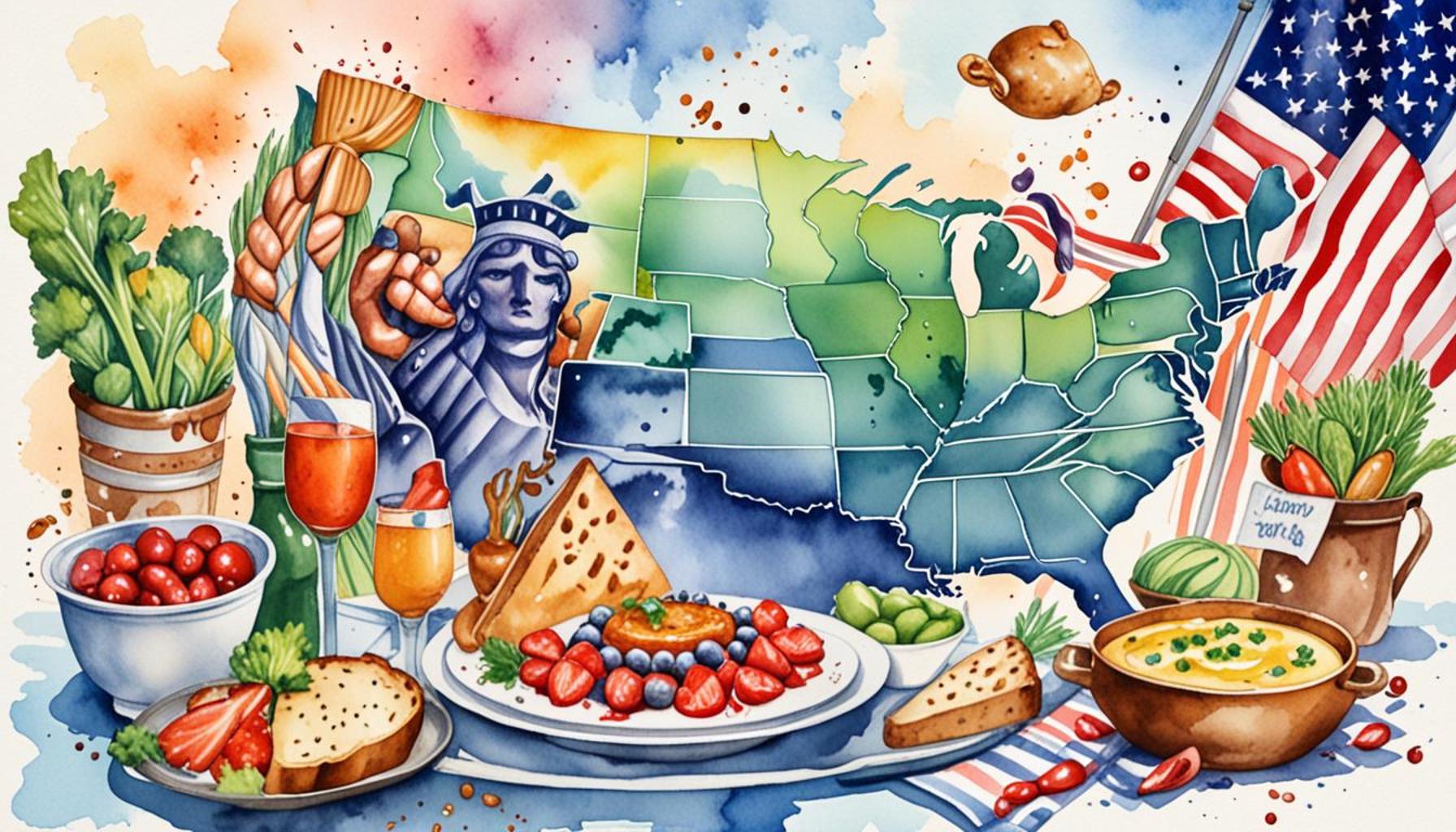
Exploring America’s Culinary Heritage
The United States is a vibrant tapestry of cultures, and its culinary landscape is a reflection of this diversity. Each dish tells a story, revealing the history and traditions of the various communities that have shaped the nation. From coast to coast, regional specialties offer a glimpse into the culinary routes that chart America’s past, signifying much more than just food; they encapsulate the essence of community, tradition, and immigration.
Discover the Flavors of History
As you embark on a culinary journey, consider these fascinating routes:
- The Southern Barbecue Trail: This route invites you into the world of smoky flavors, where a deep appreciation for the art of barbecue has evolved over generations. Originating from African American traditions, Southern barbecue is characterized by its meticulously smoked meats and diverse regional sauces. Cities like Memphis, known for its dry-rubbed ribs, and Kansas City, celebrated for its sweet tomato-based sauce, showcase the varied styles that define Southern barbecue. Festivals dedicated to this culinary art attract enthusiasts from around the nation, allowing them to taste the legacy of flavors that have been passed down through families.
- New England Clam Chowder: Dive into a creamy bowl of clam chowder to explore the maritime history that shaped New England’s culinary identity. The dish reflects indigenous ingredients like clams and corn, which were embraced by early settlers. Cities like Boston take immense pride in their rich chowder, often competed for in local “chowder fests.” The significance of this dish extends beyond its taste, highlighting the blending of Native American and European culinary practices during a period of adaptation and survival.
- The Tex-Mex Fusion: In Texas, the culinary landscape is defined by Tex-Mex, a delightful fusion of Mexican and American flavors. Dishes like enchiladas, tacos, and fajitas showcase the vibrant use of spices and grilled meats. The cultural melding came to fruition as Mexican immigrants settled in the region, introducing traditional flavors and cooking techniques that were later adopted and adapted by Americans. The yearly celebrations like the San Antonio Taco Fest provide a platform to honor this fusion, showcasing how food can unify diverse communities.
Each of these culinary paths offers opportunities not just to taste, but also to understand the sociocultural dynamics that have shaped local life. By savoring the unique dishes crafted across the country, we can appreciate the stories behind their origins and significance. The rich historical narratives that continue to echo in our kitchens today remind us that food is not just about sustenance, but also about connection—between individuals, communities, and generations. Exploring America’s culinary heritage invites us to celebrate diversity and embrace the flavors that unite us all.
Unraveling the Culinary Tapestry of America
Across the United States, food is a language of its own, speaking volumes about the regions, cultures, and histories that have shaped American identity. Each plate serves as a vessel, carrying flavors and stories that span generations. From indigenous practices to modern-day culinary innovations, the food we consume is a reflection of the people who inhabit this vast land. Delving into these culinary routes reveals the intertwined narratives of migration, settlement, and adaptation, where every dish signifies a moment in time.
Regional Culinary Influences
The diverse geography of the United States has given rise to distinct culinary traditions, each influenced by the surroundings and the people who call these places home. Here are a few noteworthy routes:
- The Pacific Northwest Seafood Trail: Renowned for its access to pristine waters, the Pacific Northwest is a haven for seafood lovers. From the iconic Dungeness crab to fresh salmon, this region’s culinary identity is rooted in fishing practices that date back to indigenous communities. Holidays often center around seafood festivals, celebrating the rich maritime heritage while bringing communities together. This area exemplifies the connection between local resources and culinary innovation.
- The Midwestern Comfort Food Circuit: Known as the heartland of America, the Midwest thrives on comfort food that embodies warmth and hospitality. Staples like casseroles, meatloaf, and sweet corn reflect agricultural roots and the importance of home-cooked meals. City-wide chili cook-offs and state fairs showcase local twists on beloved recipes, illustrating how food can foster a sense of community and pride. Here, culinary practices have been passed through generations, creating a legacy of warmth and connection.
- The New Orleans Creole and Cajun Journey: New Orleans is a vibrant cultural crossroads where French, Spanish, African, and Caribbean influences converge. The region’s cuisine, exemplified by dishes like gumbo and jambalaya, tells a rich story of cultural exchange and adaptation. The annual Mardi Gras celebration not only highlights the festive spirit of the city but also puts its culinary heritage on display, with food as a means to express cultural identity and heritage. Festivals during this season allow visitors and locals to savor authentic flavors while learning about their origins.
These culinary routes not only tantalize the palate but also provide a deeper understanding of America’s historical narratives. By exploring the flavors and traditions rooted in each region, individuals can appreciate the multitudes of connections that food fosters—transforming a simple meal into a rich tapestry of stories yet to be told. As we savor these bites of history, we find ourselves connected to the past, bridging the gaps between cultures and experiences that define the modern American landscape.
| Advantage | Details |
|---|---|
| Culinary Heritage Exploration | Traveling along these routes allows for an immersive experience of America’s diverse culinary traditions and their historical contexts. |
| Community Engagement | Visitors often engage with local chefs and farmers, forming connections that highlight the importance of preserving regional cuisines. |
| Educational Opportunities | Each route reveals stories tied to food, teaching about immigration, agriculture, and the cultural melting pot that is the USA. |
| Sustainable Tourism | These culinary routes promote sustainable practices by supporting local businesses and fostering environmental stewardship. |
Exploring the culinary routes of the United States offers more than just a taste of the nation’s flavors; it is an opportunity to delve into the narratives that shaped these cuisines. Each dish tells a story, evoking rich histories of migration, local agriculture, and cultural exchange. Visitors can engage with farmers, chefs, and local communities, providing a compelling reason to support the preservation of these culinary traditions.Additionally, these routes host numerous educational opportunities. They allow travelers to not only savor the food, but also to comprehend the socio-political and economic factors influencing these culinary practices. From the spice routes of the East to the traditional Southern BBQ heritage, understanding where dishes come from enhances the appreciation of their ingredients and recipes.The allure of these culinary journeys is complemented by a commitment to sustainability. By prioritizing local sourcing, travelers contribute to responsible tourism that celebrates and supports the environmental and cultural integrity of the regions they visit. Thus, these culinary routes are not just about food; they are about history, community, and sustainability—all of which are essential to fully experience and appreciate the diverse tapestry of the American culinary landscape.
Exploring Culinary Heritage Through Iconic Dishes
The beauty of America’s culinary landscape lies not only in its regional specialties but also in the iconic dishes that have become synonymous with certain locales. These dishes tell unique stories, encapsulating the essence of history and culture through flavors and ingredients. By exploring these meals, we can dive deeper into the traditions that have influenced American society.
The Southern Barbecue Journey
Few culinary experiences are as emblematic of Southern hospitality as the art of barbecue. Originating from various cultural influences, including African, Native American, and European traditions, Southern barbecue is more than just cooking meat; it is a celebration of community and ritual. States like North Carolina and Texas each boast their own barbecue styles, from vinegar-based sauces to the spice-heavy rubs of Texas brisket. Annual barbecue festivals, such as the Memphis in May World Championship Barbecue Cooking Contest, draw crowds from near and far, underlining the importance of this culinary route in the South’s social fabric. Barbecue joints are often family-owned establishments where secret recipes are passed down, signifying a deep connection to heritage and storytelling.
The New England Clam Chowder Trail
Venturing to the Northeastern United States opens the door to the rich culinary tradition of clam chowder, particularly the creamy variations found in New England. This dish, which blends fresh clams, potatoes, onions, and cream, embodies the region’s maritime history and the early settlers’ adaptation to local resources. Iconic chowder shacks along the coast celebrate this beloved soup with countless interpretations while often showcasing the seasonal freshness of local ingredients. Festivals such as the Clam Chowder Festival in Newport, Rhode Island, attract enthusiasts eager to engage in friendly competitions and to explore creative renditions of this classic dish. Not only does clam chowder reflect the culinary ingenuity of the region, but it also serves as a historical lens through which we can examine colonial cooking and the evolution of American palates.
The Influence of Latin Flavors in the Southwest
The culinary routes of the Southwest are famously influenced by Hispanic and Native American traditions, intertwining flavors, techniques, and ingredients that have been cherished for centuries. Dishes like enchiladas, tamales, and mole tell the story of cultural exchange and resilience through their ingredients and preparation. Festivals celebrating the rich heritage of Southwestern food, such as Tucson’s annual Tamale Festival, draw participants to indulge in these traditional delicacies while honoring their historical significance. Additionally, the burgeoning popularity of Southwest cuisine has led to a fusion of flavors, incorporating modern influences while staying true to its roots. This dynamic culinary landscape showcases how food can serve as a bridge between cultures, emphasizing connections among people and histories.
- Barbecue: Southern hospitality centered around community gatherings and rituals.
- Clam Chowder: A New England staple reflecting maritime history and early settlers’ adaptations.
- Southwestern Cuisine: A fusion of Hispanic and Native American roots emphasizing cultural exchange.
As we traverse these culinary routes, we uncover a patchwork of stories and traditions that have, over time, sculpted the identity of the United States. Each dish represents a narrative of resilience, adaptation, and flourishing cultures, connecting us to shared histories and experiences that are critical to understanding what it means to be American.
Unearthing America’s Culinary Narrative
As we journey through the culinary routes of the United States, we unearth a rich tapestry woven with the threads of history, culture, and community. Each iconic dish—from the smoky allure of Southern barbecue to the comforting warmth of New England clam chowder, and the vibrant flavors of Southwestern cuisine—serves as a time capsule that transports us back to the origins of American culinary identity. These dishes are not mere meals; they are chronicles of resilience and adaptation that echo the voices of generations.
Furthermore, exploring these culinary narratives opens avenues for a deeper understanding of the diverse communities that have shaped America’s palate. Festivals and local celebrations associated with regional cuisine not only honor these time-honored traditions but also create spaces for cultural exchange and innovation. They encourage us to appreciate the historical significance of food and acknowledge the many influences that have melded into modern American cuisine.
In uncovering the stories behind these culinary routes, we gain a unique perspective on the profound relationship between food and history. The flavors we savor today are reflections of our past, emblematic of a society that thrives on diversity and collaboration. As you embark on your exploration of America’s culinary heritage, consider not just the taste but the vibrant stories and legacies each dish carries, inviting you to participate in a dining experience that celebrates the spirit of the nation.