How to Use Smart Watering Containers to Maximize Irrigation Efficiency
Embracing Sustainable Gardening Practices
As climate change poses increasing challenges to ecosystems across the globe, gardening enthusiasts are turning to innovative methods that foster sustainability. One such method that is gaining traction among gardeners is the use of smart watering containers. These devices not only conserve precious water resources but also facilitate optimal plant growth by tailoring irrigation processes to actual needs.
Incorporating smart watering containers into your gardening regimen can yield a multitude of benefits. Consider the following advantages:
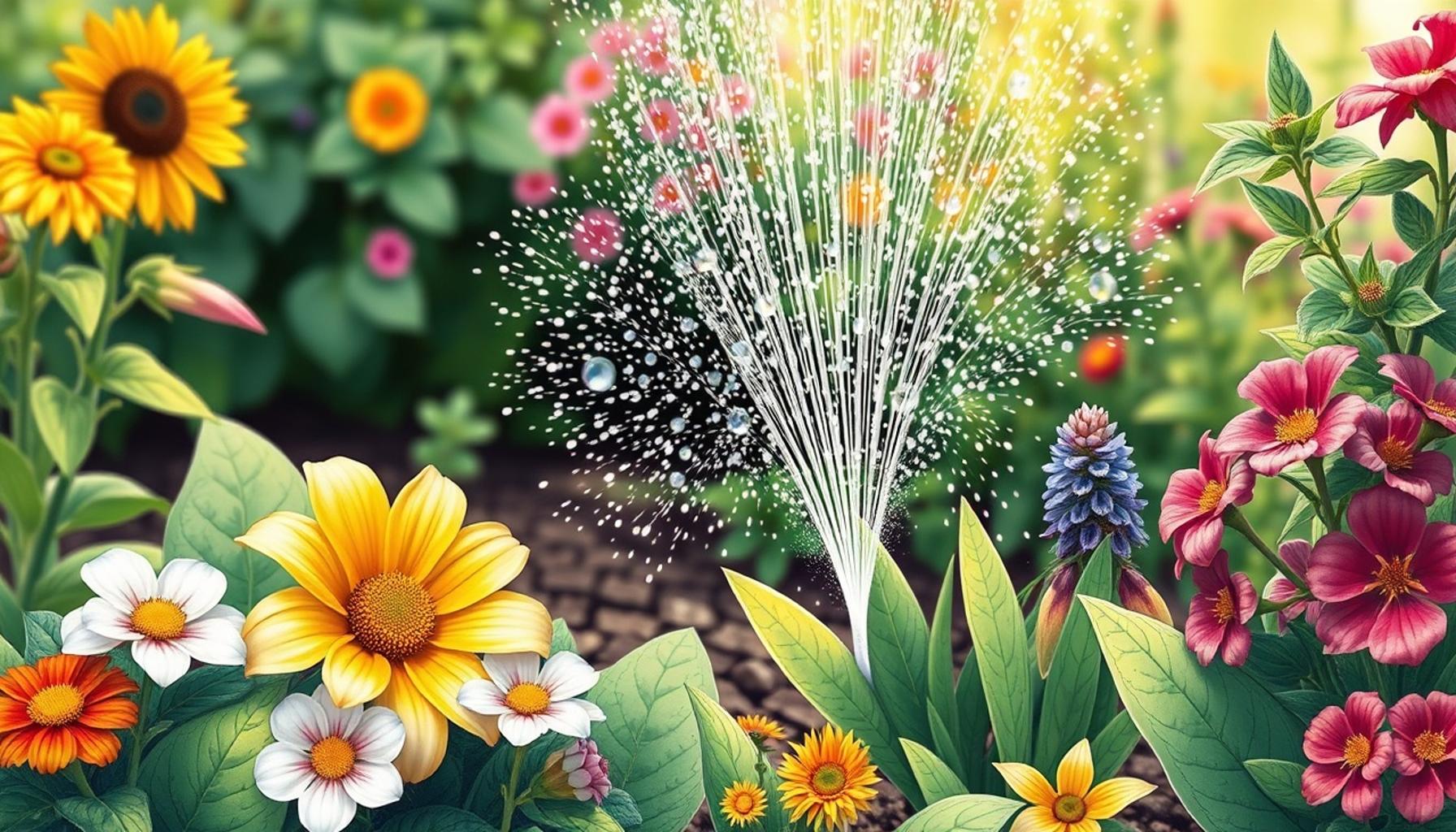
- Precision Watering: Smart watering systems are equipped with technology that ensures water is delivered directly to the plant roots. For example, systems like drip irrigation can dispense water slowly and evenly, minimizing evaporation and runoff. This direct method means plants receive moisture where they need it most, promoting stronger root systems.
- Soil Monitoring: Advanced sensors embedded within these containers continuously track soil moisture levels. This real-time data allows the system to adapt watering schedules automatically, ensuring that plants are neither over-watered nor under-watered. For instance, if there’s unexpected rainfall, the system may reduce watering to prevent waterlogging.
- Water Conservation: With the ongoing water scarcity issues faced in many regions of the United States, these smart systems play a critical role in preserving vital resources. By minimizing over-watering and runoff, gardeners can significantly reduce their water usage—sometimes by up to 50%—compared to traditional gardening methods.
- Customizable Settings: Many smart watering systems allow users to tailor the watering frequency based on specific plant needs or changing weather conditions. This feature can help home gardeners ensure that their plants receive just the right amount of hydration throughout the year, adapting automatically as temperatures rise or fall.
By embracing smart watering containers, gardeners not only enhance the health and productivity of their plants but also contribute to broader water-saving initiatives. The elegance of these systems lies in their simplicity and effectiveness, making them accessible to both novice gardeners and seasoned horticulturalists alike.
As you delve into the world of smart watering technology, you will uncover a wealth of options and strategies for integrating these systems into your gardening landscape. From large vegetable plots in the Midwest to small balcony gardens in urban settings, utilizing smart watering containers can mark the beginning of a sustainable gardening journey that not only enhances your garden’s vitality but also plays a role in conserving the earth’s resources.
Take the first steps towards optimizing irrigation efficiency while nurturing a flourishing, environmentally friendly garden that can withstand the challenges posed by climate change.
DISCOVER MORE: Click here to learn about light needs for your plants
Understanding Smart Watering Technology
The concept of smart watering containers hinges on the integration of technology with gardening practices. These devices leverage various forms of technology, such as sensors, timers, and sometimes even mobile applications, to create a precise watering regimen that meets the unique needs of different plants. Understanding how to effectively utilize these systems can significantly enhance irrigation efficiency and lead to a thriving garden.
Before diving into how to implement these smart systems, it is essential to grasp the fundamental components that contribute to their functionality. Below are some key features commonly found in smart watering containers and systems:
- Soil Moisture Sensors: These sensors are vital for gauging the moisture content in the soil. By continuously monitoring levels, they provide data that enables the system to adjust watering schedules accurately. When soil moisture dips below a predetermined level, the system automatically springs into action, delivering the necessary amount of water.
- Weather Forecast Integration: Some advanced smart watering systems incorporate weather forecasts to anticipate rainfall. This feature is particularly useful in regions experiencing variable climates, as it reduces unnecessary watering during wet periods, conserving water and preventing plant stress.
- Automated Timers: These timers are integral for scheduling watering sessions during optimal times of the day, typically early morning or late evening, when evaporation rates are lower. This feature not only enhances efficiency but also fosters deeper root growth, as plants are encouraged to seek water further underground.
- Mobile App Accessibility: Many smart watering systems come with dedicated mobile applications that allow you to monitor and control your watering from anywhere. Through these apps, you can receive real-time updates, customize settings, and even troubleshoot issues, making gardening more interactive and manageable.
Moreover, successfully utilizing smart watering containers involves assessing your garden’s specific water requirements. Here are several steps you can take to ensure that you are maximizing the system’s potential:
- Evaluate Plant Types: Different plants have varying hydration needs. Assess the types of plants in your garden and group them based on similar requirements. For example, succulents have lower water needs compared to vegetables or flowering plants.
- Set Up the System Correctly: Follow the manufacturer’s guidelines to install your smart watering system. This might involve placing sensors at appropriate depths and configuring the timer settings based on your plants’ needs.
- Monitor and Adjust: Keep a close eye on your garden’s performance after the system is set up. If certain areas show signs of overwatering or dryness, you may need to adjust the sensors or timers accordingly.
By tapping into the nuances of smart watering technology, you not only equip yourself with the tools required to promote efficient irrigation but also cultivate a deep understanding of sustainable gardening practices. This knowledge paves the way for thriving gardens that are resilient to changing environmental conditions, ultimately benefiting both your plants and the planet.
| Advantages | Details |
|---|---|
| Water Conservation | Smart watering containers reduce over-watering, allowing plants to thrive while saving precious water resources. |
| Automated Scheduling | With built-in timers and moisture sensors, these containers optimize irrigation based on real-time conditions, ensuring your plants get what they need. |
The benefits of using smart watering containers extend far beyond just convenience. By incorporating advanced technology, these systems are designed to monitor soil moisture levels, weather forecasts, and even plant requirements. This means that, rather than manually checking the moisture in your garden, you can trust the smart system to deliver just the right amount of water needed for optimal plant growth. Additionally, many models allow integration with smart home systems, so you can easily control your watering schedule via an app on your smartphone, making it incredibly user-friendly. The growing trend towards sustainable gardening practices is bolstered by these innovative solutions, which not only promotes efficiency but also supports eco-friendly efforts.
DIVE DEEPER: Click here for expert irrigation techniques
Implementing Smart Watering Strategies
Once you have equipped your garden with smart watering containers, the real challenge lies in how you can optimize their use for maximum efficiency and effectiveness. The implementation of smart watering strategies goes beyond just setup; it requires continuous analysis, adjustment, and experimentation. Here are some practical methods to achieve that:
Leverage Data Analytics for Personalized Watering
Many advanced smart watering systems come with built-in data analytics functionality. By tapping into this feature, you can gather detailed insights into how much water your plants are consuming. This data allows you to tailor your watering schedules even further. For instance, if you notice a particular plant type consistently requires more water than others, you can allocate additional resources to those containers without over-saturating the surrounding areas.
Incorporate Rainwater Harvesting
Not only can smart watering containers enhance your irrigation efficiency, but they can also be part of a larger sustainable gardening strategy. Integrating a rainwater harvesting system with your smart watering setup is an excellent approach to reduce dependence on municipal water. By collecting rainwater, you can program your smart system to utilize this resource first, reducing costs and environmental impact. Many systems even allow for dual resource input, ensuring that your plants receive the best supplemental care when rain is available.
Customization for Seasonal Changes
As seasons change, so do the watering requirements of your plants. The flexibility of smart watering containers allows you to easily adjust settings to adapt to different conditions. During hotter months, plants may need more moisture due to increased evaporation rates. Conversely, during winter, you may find that less watering is necessary. Regularly reviewing weather data and plant responses can guide you in adjusting the frequency and duration of watering accordingly, ensuring that your plants thrive year-round.
Integrate About Fertilization
Another feature that many smart watering systems are beginning to adopt is the integration of fertilization. By combining watering and fertilization in one step, you can optimize delivery and nutrient uptake in your plants while minimizing waste. This method is particularly effective in container gardens where nutrient leaching can become a significant issue. Some models allow you to adjust nutrient levels based on plant needs, establishing a holistic care regimen that supports healthy growth alongside efficient irrigation.
Participate in Community Gardening Initiatives
Beyond personal gardens, consider the collective impact by participating in community gardening initiatives that utilize smart watering technology. Communities can pool resources to implement large-scale smart irrigation systems that not only maximize efficiency but also promote collaboration and education among local gardeners. In areas prone to drought, these initiatives can amplify conservation efforts, demonstrating the societal benefits of adopting innovative gardening technologies.
In addition, sharing your experiences with others who use smart watering containers can generate invaluable knowledge. Engage in discussions through online platforms or local garden clubs, where tips and insights about successful strategies can be exchanged. You may uncover unique approaches that others have developed, paving the way for innovation in your own gardening practices.
Through understanding and implementing these strategies, you can take full advantage of your smart watering containers, creating a more eco-friendly, cost-effective, and productive gardening experience while contributing positively to the environment. As technology continues to evolve, staying informed will be crucial in harnessing its full potential for maximizing irrigation efficiency.
DISCOVER MORE: Click here to learn how to maximize your small space with plants
Conclusion: Transforming Your Gardening Experience
In conclusion, mastering the use of smart watering containers is a transformative step towards achieving optimal irrigation efficiency in your gardening practices. By leveraging advanced technology, such as data analytics, rainwater harvesting, and customizable settings, you can create a tailored watering approach that is both resourceful and effective. Adapting to seasonal changes ensures that your plants receive the precise amount of moisture they need, promoting healthy growth throughout the year.
Integrating fertilization into your irrigation system further enhances this efficiency, optimizing nutrient delivery while minimizing waste. Additionally, engaging in community gardening initiatives offers a unique opportunity to share resources and knowledge, reinforcing the importance of sustainable gardening practices in your local ecosystem. The collective efforts not only maximize conservation efforts but also cultivate a sense of community among gardeners.
As technology continues to evolve, the potential for improved irrigation strategies will only grow. Stay informed and embrace new advancements to fully harness the capabilities of your smart watering containers. With the right strategies and dedication, you can revolutionize your gardening experience—reducing water waste, lowering costs, and ultimately contributing to a more environmentally sustainable future.
By implementing these techniques, you are not just enhancing your garden; you are becoming part of a larger movement towards efficient, innovative, and responsible gardening that benefits everyone. Explore the world of smart watering technology today and discover how it can enhance both your plants and the planet.

Linda Carter
Linda Carter is a writer specializing in gardening and growing at home for beginners. With extensive experience helping readers confidently care for plants, Linda shares practical guidance on preparing soil, choosing suitable plants, watering, planting, and maintaining home gardens. Her goal is to provide clear tips and accessible strategies that help beginners grow healthy plants and enjoy gardening in any space.