How to Choose the Right Plants for Different Light Conditions at Home
Understanding Light Conditions for Houseplants
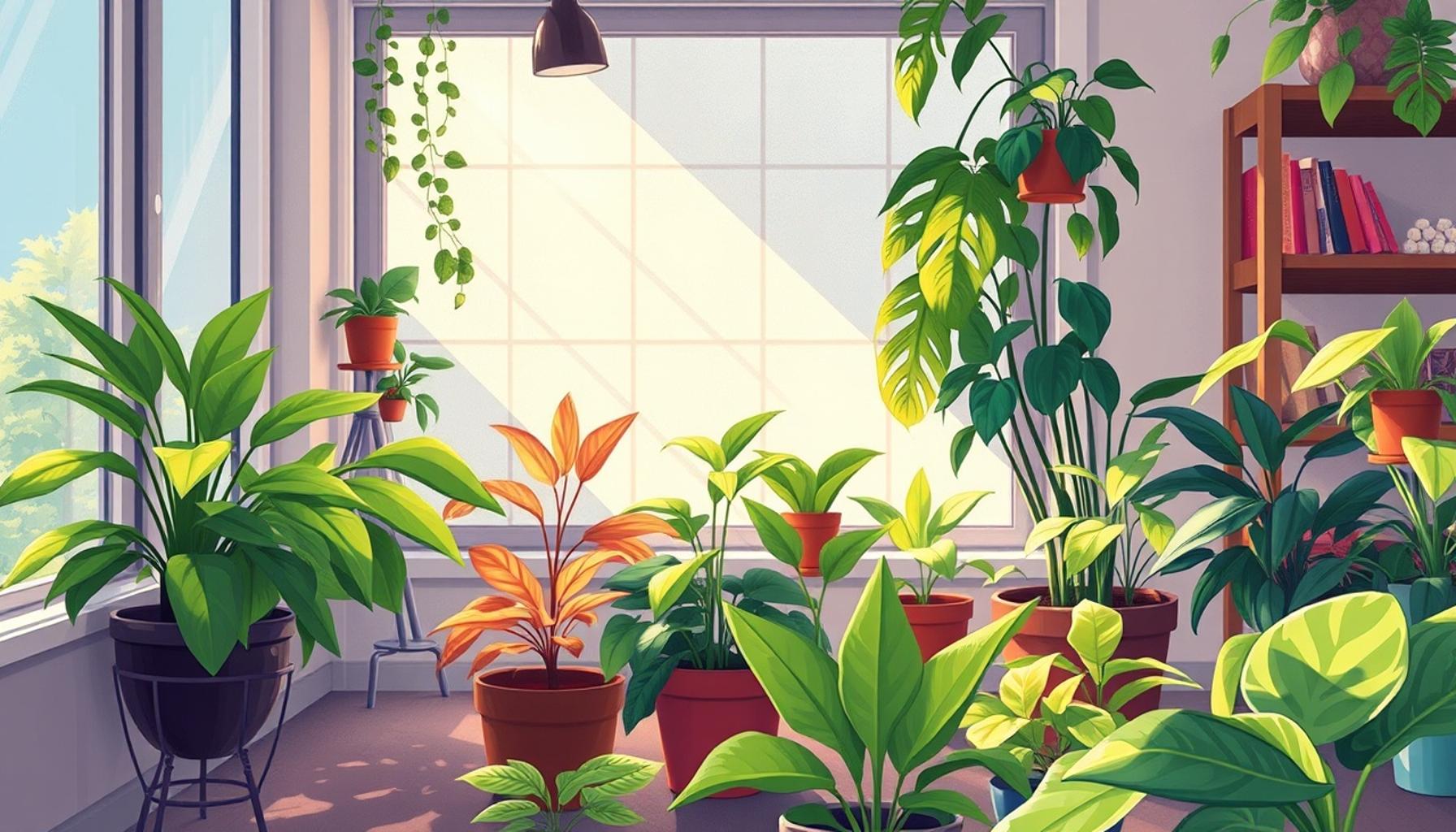
Choosing the right plants for your home is an art that harmonizes the beauty of nature with your living space. One of the most critical factors influencing plant growth is light. Understanding how to assess your home’s light conditions can make all the difference in creating a thriving indoor garden.
Different areas in your home provide varying levels of light. Here are some common lighting categories:
- Bright Direct Light: Locations where sunlight directly hits for several hours a day, such as south-facing windows. This bright light is ideal for plants that originate from desert regions or tropical areas where they naturally receive a lot of sunlight.
- Bright Indirect Light: Areas receiving bright light but not direct rays, like east or west-facing windows shielded by sheer curtains. In this light, plants still get plenty of brightness without the harshness of direct sun, making it perfect for many popular houseplants.
- Low Light: Spaces with minimal natural light, typically further from windows or in rooms with north-facing windows. Many people find these areas challenging, but several plant species can thrive with little light; understanding what works best can transform these spaces.
Each type of light condition requires specific plants to flourish. For example, succulents and cacti, which are accustomed to bright direct light, can become elongated and weak in low-light situations. Conversely, plants like the snake plant and pothos have adapted to thrive in low-light conditions, making them perfect for dimly lit corners or offices. Educating yourself about plant species and their light preferences will ensure your plants remain healthy and vibrant.
In addition to light conditions, it’s also important to consider the plant’s growth patterns and maintenance needs. Peace lilies and ZZ plants are exemplary choices for beginners due to their resilience and low-maintenance requirements, while fiddle leaf figs may require more attention, such as regular watering and monitoring for pests. By matching your plant choices with the light availability in your home, you can create a flourishing indoor garden that enhances your home’s aesthetic.
This exploration of light conditions not only enriches your home but also enriches your understanding of plant life. Consider documenting your plants’ performance in different areas over time, learning as you go. Over time, you may even become an indoor gardening expert, capable of guiding friends and family in their own plant choices. As you immerse yourself in this green journey, you’ll find that each plant has a story, a character that contributes to the unique narrative of your indoor space.
DIVE DEEPER: Click here to discover must-have gardening tools
Selecting Plants for Bright Direct Light
When considering bright direct light environments in your home, think of sunny rooms that bask in uninterrupted sunlight for a good portion of the day. This lighting condition is ideal for a myriad of plants that thrive on high exposure and grow vigorously under these circumstances. Succulents, cacti, and some flowering plants not only survive but truly thrive in these spaces, as they have adapted to the intense brightness of their native habitats.
Among the most popular choices for bright direct light are:
- Aloe Vera: Known for its healing properties, this succulent flourishes in direct sunlight. Its fleshy leaves store moisture, making it a low-maintenance option that just needs occasional watering.
- Jade Plant: A symbol of good luck, this hardy succulent enjoys direct light and is renowned for its lush, round leaves. With proper care, jade plants can even last for decades.
- Rubber Plant: This striking indoor tree prefers bright conditions and can grow significantly taller, adding a dramatic appeal to your home decor. Its large, glossy leaves can brighten any space.
However, it’s crucial to keep in mind that while many plants thrive in bright light, they can also suffer from leaf scorching if they are suddenly exposed to intense sunlight. Therefore, introducing a plant gradually to these conditions can help avoid shock and ensure healthy growth.
Choosing Plants for Bright Indirect Light
For those with access to bright indirect light, this provides another excellent opportunity to incorporate a variety of houseplants into your home arrangement. Areas near east-facing windows or spaces that receive filtered sunlight allow for a softer yet abundant light source, making this environment suitable for many commonly adored indoor plants.
Options for bright indirect light ideally include:
- Fiddle Leaf Fig: A trendy choice for interior decorators, its large leaves bring a touch of drama to any room. These plants appreciate bright, indirect light and require consistent watering.
- Pothos: Known for its trailing vines, pothos is incredibly forgiving and can adapt to various light conditions, even thriving in lower light. However, it flourishes best in bright indirect light, becoming bushy and vibrant.
- Spider Plant: This resilient plant not only purifies the air but also boasts attractive foliage. Placed in bright indirect light, spider plants will produce “baby” plants, creating an ever-growing display.
Understanding how different plants react to light exposure is essential for success in indoor gardening. Implementing the right species in areas that correspond to their light preference will not only ensure their longevity but also foster a more enjoyable indoor plant experience. By keeping these fundamentals in mind, you set the stage for a flourishing indoor garden, seamlessly blending nature with your living space.
Understanding Light Conditions
Selecting the appropriate plants for your living space can be an enriching experience, but it heavily relies on understanding the various light conditions in your home. Different plants thrive under specific lighting circumstances, and discerning these nuances is essential to ensure the vitality of your indoor greenery.
Assessing Natural Light
Begin by evaluating the natural light available in each room. Observe how sunlight enters at different times of the day and take note of spots that receive direct sunlight, filtered light, or low light. This assessment can be enriched by recording light levels throughout the day, giving you a clearer picture of where specific conditions prevail.Direct sunlight is typically experienced in south-facing windows that receive unfiltered rays, which suits plants like succulents and cacti, known for their drought-resistant qualities. On the other hand, indirect or filtered light, ideal for plants such as peace lilies and ferns, can be observed in east or west-facing areas where light is less intense. Low-light areas, often found in corners or rooms with minimal windows, can still support foliage plants like pothos and snake plants, making your approach versatile and accommodating.
Choosing Plants According to Light
Now that you’ve gauged the light conditions, it’s time to explore the types of plants suitable for each category. Consider selecting bright, direct light plants for sunlit spots; plants like the rubber tree or fiddle leaf fig can add both beauty and air purification benefits to your surroundings. Conversely, areas with indirect light can house a myriad of foliage plants such as the philodendron, which can thrive and flourish without needing full exposure to sunlight.In shaded areas, focus on selecting plants that are adapted to low-light conditions, such as the spider plant or ZZ plant. These selections not only enhance the aesthetic of your living space but also contribute to your home’s overall air quality, making your investment in plants a smart choice.
Importance of Rotation
To maximize the health and growth of your plants, consider rotating them periodically to ensure even exposure to available light. This practice can help counterbalance the effects of growing toward a light source, leading to a more symmetrical and well-formed plant structure.In conclusion, understanding the light conditions in your home is crucial for choosing the right plants. By carefully assessing the light availability and selecting appropriate species, you can create an indoor oasis that thrives in harmony with its environment.
| Light Category | Best Plant Options |
|---|---|
| Direct Sunlight | Succulents, Cacti |
| Indirect Light | Peace Lily, Ferns |
| Low Light | Pothos, Snake Plant |
By understanding and adapting to the light conditions in your home, your selection of plants can become a rewarding journey rather than a challenge. Embracing the right plants for the right light further enhances your indoor environment while ensuring your botanical companions thrive.
DISCOVER MORE: Click here to learn about the best tools for container gardening success
Selecting Plants for Low Light Conditions
For homes that experience low light conditions, it’s important to choose plants that are resilient and capable of thriving in shaded environments. Typically found further away from windows or in rooms that receive minimal natural light, these spaces can be a challenge for many plant species; however, there are plenty of options available for eager plant enthusiasts.
Some ideal choices for low light conditions include:
- Snake Plant: Also known as mother-in-law’s tongue, this hardy plant requires very little light and water, making it a perfect choice for beginners. Its striking, upright leaves come in various shades of green, adding elegance to any space.
- ZZ Plant: With its glossy leaves and almost effortless upkeep, the ZZ plant is the epitome of low-light success. It not only thrives in low light but also tolerates neglect, making it an ideal option for busy homeowners.
- Cast Iron Plant: True to its name, the cast iron plant is incredibly resilient and can survive in conditions that would spell doom for weaker species. Its evergreen leaves can tolerate low light, making it a wonderful addition to darker corners.
Plants in low light conditions may grow slower than their counterparts in brighter areas, but that does not diminish their beauty or appeal. Regular dusting of leaves will not only keep them looking their best but also aids in their ability to photosynthesize, thus promoting healthy growth.
Finding the Right Plants for Medium Light
When it comes to medium light conditions, you find yourself in a safe haven where several types of plants can flourish. These spaces often receive sunlight for a significant part of the day but are shielded from direct rays, providing the perfect balance for many popular houseplants. Rooms that face west, south, or even north can generally qualify as having medium light, especially when sunlight is filtered through sheer curtains or shades.
Among the plethora of options for medium light are:
- Peace Lily: Renowned for its elegant white blooms and air-purifying qualities, the peace lily thrives in medium light. It’s a brilliant choice for more humid environments, such as kitchens or bathrooms.
- Chinese Evergreen: A versatile plant that boasts attractive, variegated leaves. The Chinese evergreen is another air-purifier, requiring minimal care, making it perfect for households with varying light availability.
- Dracaena: With its tall structure and striking foliage, dracaena varieties adapt well to medium lighting conditions. They come in several forms and colors, adding versatility to your plant collection.
Incorporating plants that thrive in medium light not only enhances the aesthetic appeal of your spaces but also contributes to a healthier living environment, thanks to their air-cleaning properties. To maximize growth potential, rotate your plants occasionally to ensure even light exposure across all sides.
As you delve deeper into selecting the right plants for different light conditions, it becomes evident that understanding the unique needs of each species can transform your home into a verdant paradise. Tailoring your plant choices to suit their specific light preferences will not only yield a thriving indoor garden but will also make caring for them a joyful experience.
DISCOVER MORE: Click here to learn about resilient plants
Conclusion
Choosing the right plants for the varying light conditions in your home is not just a matter of aesthetics; it can greatly impact the success of your indoor garden and your overall living environment. Understanding the difference between low, medium, and bright light conditions will enable you to select plants that thrive, ensuring they contribute to the beauty and health of your home.
From the resilience of the snake plant in low light to the air-purifying benefits of the peace lily in medium light, each plant choice serves a purpose beyond mere decoration. When you incorporate the appropriate species into their respective light zones, you enhance the vitality of your space while also fostering a sense of tranquility and connection to nature.
Furthermore, consider the dynamics of your living space—how light enters at different times of the day, seasonal changes, and the microclimates created by other furnishings and elements. This foundational knowledge will inspire you to experiment with various plants, leading to a lush landscape even in cozy corners and shaded rooms.
In your journey to select the right plants, remember that consistent care, observation, and adaptation are key. With a little research and planning, you can curate a diverse collection of flora that showcases your personality while ensuring the health of your indoor ecosystem. So, embark on this botanical adventure, and let your home flourish with life!

Linda Carter
Linda Carter is a writer specializing in gardening and growing at home for beginners. With extensive experience helping readers confidently care for plants, Linda shares practical guidance on preparing soil, choosing suitable plants, watering, planting, and maintaining home gardens. Her goal is to provide clear tips and accessible strategies that help beginners grow healthy plants and enjoy gardening in any space.