Understanding Soil Types and Their Impact on Plant Growth
Understanding the Living Ecosystem of Soil
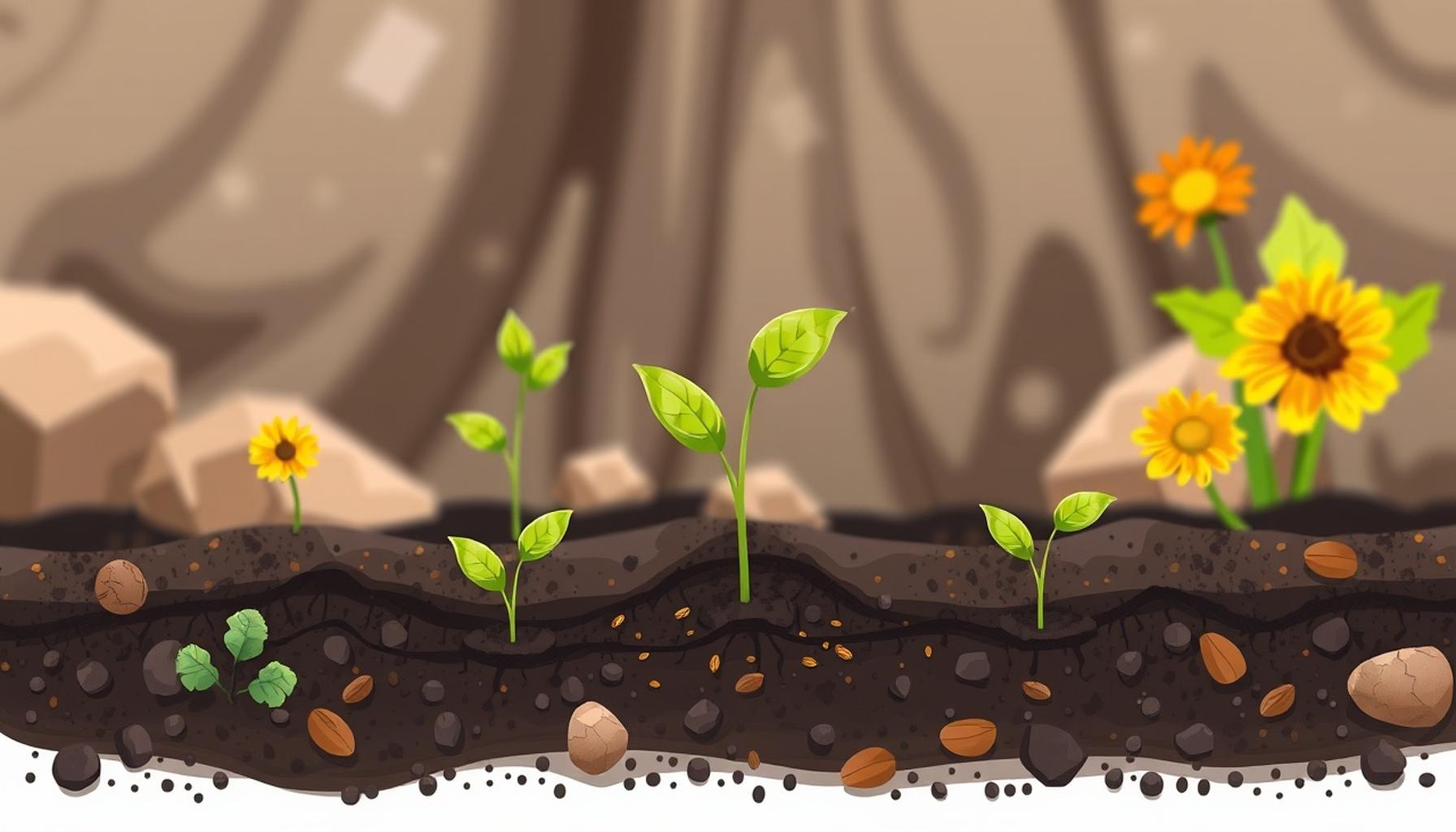
Soil, often perceived as merely a backdrop for plant life, is, in reality, a complex ecosystem teeming with microorganisms and organic matter. It is vital for the health of plants, affecting not just their growth but also their resilience against diseases and environmental stressors. The characteristics of soil play a crucial role in determining how effective it is for various types of plants. Familiarizing yourself with these elements can significantly enhance your gardening efforts, agricultural practices, and ecological awareness.
To understand soil’s role better, it is essential to explore its various types and their characteristics:
- Sandy Soil: Recognized for its large particles, sandy soil is known for excellent drainage properties. It dries quickly after rain, which can pose a challenge for moisture-loving plants. For instance, plants like cacti thrive in sandy soil due to their need for well-drained conditions. However, this soil type often requires the addition of organic matter to boost its nutrient content and water retention capabilities.
- Clay Soil: Conversely, clay soil consists of tightly packed particles that make it heavy and dense. While this soil retains moisture well, it can become waterlogged if drainage is inadequate. Crops like rice, which require saturated conditions, are well-suited to clay soils. However, many garden plants may struggle, needing careful management to improve aeration through tilling or the addition of other amendments.
- Silt Soil: This soil type falls in between sandy and clay soils, featuring smooth particles that make it fertile and nutrient-rich. Silty soil retains moisture and supports a wide variety of plant species. It is often found in floodplains and near riverbanks, making it ideal for cultivating crops like corn and beans, which draw heavily on its nutrient resources.
- Loamy Soil: Often hailed as the ideal soil type for growing a diverse range of plants, loamy soil is a balanced mixture of sand, silt, and clay. Its unique properties allow for good drainage and moisture retention while providing ample nutrients. Gardeners often find that vegetables, flowers, and shrubs flourish in loamy soil, making it a prime choice for home gardens and commercial farms alike.
The interactions between these soil types and their ability to supply water, air, and nutrients to plants are paramount to successful growth. Notably, sandy soils can lead to drought stress due to their rapid drainage, while clay soils can suffocate plant roots, inhibiting their development.
Moreover, the understanding of soil dynamics extends beyond individual plant growth. For example, in agriculture, recognizing what soil type is predominant can inform crop rotation and soil amendment strategies, leading to sustainable practices that boost soil health over time. As diverse ecosystems depend on healthy soil for balance, understanding these types is not only crucial for agronomists and gardeners but also for preserving natural landscapes across the United States.
As you continue to explore the fascinating world of soil, consider how various practices such as composting and cover cropping can enhance soil health, ultimately influencing the broader ecosystem. By replenishing and nurturing the soil, we can cultivate quality growth for plants while contributing to environmental sustainability.
DISCOVER MORE: Click here for sustainable irrigation tips
The Characteristics of Soil and Their Influence on Botanicals
Soil types not only serve as mere substrates for plant growth but also dictate the success of various species through their inherent characteristics. Understanding the unique qualities of soils includes examining properties like texture, structure, pH, and nutrient composition. Each of these components can influence the accessibility of essential resources needed for plant health and development.
Soil texture, determined by the proportions of sand, silt, and clay, directly affects water retention and nutrient availability. For instance, while sandy soils enable quick water drainage, they often lack in holding nutrients, making them less favorable for plants that require consistent moisture. In contrast, clay soils can retain both moisture and nutrients exceptionally well, but excessive retention may hinder aeration, leading to suffocated roots.
Soil structure, referring to the arrangement of soil particles, can also affect the ability of air and water to reach plant roots. A well-structured soil promotes healthy root growth, while compacted soils can result in poor drainage and increased vulnerability to root rot.
The pH level of the soil further impacts plant growth. Most plants thrive best in a slightly acidic to neutral pH range (around 6.0 to 7.0). Soils that are too acidic or too alkaline can limit the availability of essential nutrients, causing deficiencies in plant health, a common scenario in certain regions of the United States where industrial pollution can alter soil pH levels.
To truly understand how soil types interact with plant growth, it is essential to evaluate specific examples of how different crops and gardens respond to various soil conditions. Here are a few critical points to consider:
- Moisture Requirements: Understanding a plant’s moisture needs is crucial. Plants such as *succulents* are well-suited to sandy soils, as their ability to thrive with minimal water allows them to capitalize on the drainage capabilities of these soils.
- Nutrient Uptake: Different soil types have varying nutrient profiles. For example, legumes can enrich nitrogen-poor soil conditions by fixing atmospheric nitrogen, making them excellent companions for crops growing in less fertile zones.
- Disease Resistance: Healthy soils support robust plant growth, which can yield increased resistance to diseases. Therefore, understanding the soil type allows gardeners and farmers to implement strategies to improve soil health, enhancing crop productivity.
By recognizing these interconnections between soil types and plant growth, individuals can apply more effective practices tailored to their specific environments. Services like soil testing can provide invaluable insights, ensuring farmers and gardeners are aware of the types of amendments or adjustments they might need to optimize growth conditions. This awareness can lead to a more sustainable approach to cultivating plants, benefitting not only individual gardens but also broader agricultural practices throughout the country.
| Soil Type | Advantages |
|---|---|
| Sandy Soil | Excellent drainage and promotes aeration, making it suitable for root development and preventing waterlogging. |
| Clay Soil | High nutrient retention and moisture-holding capacity, benefiting plants that require consistent hydration. |
| Loamy Soil | Balanced texture combining sand, silt, and clay; ideal for a wide range of plants due to its fertility and adaptability. |
| Silty Soil | Good moisture retention and nutrient availability, promoting healthy plant growth in garden settings. |
Understanding the intricacies of soil types not only fosters a deeper connection with nature but also equips gardeners and farmers with the knowledge necessary to enhance crop yields and plant health. Each soil type possesses distinct characteristics and advantages that significantly influence plant growth. For instance, sandy soil provides exceptional drainage, allowing roots to breathe and preventing root rot, which can be a common issue in poorly drained conditions. In contrast, clay soil offers remarkable nutrient retention, which can be beneficial for moisture-loving plants, enabling them to thrive in nutrient-rich environments.Loamy soil stands out as the ideal blend, providing the best of both worlds with its balanced structure, making it suitable for a variety of plants. Additionally, silty soil not only retains moisture effectively but also promotes better nutrient availability, ensuring that plants receive the necessary elements for robust growth. This nuanced understanding of soil types emphasizes the importance of selecting the right soil for specific plants, thereby maximizing growth potential and ensuring a fruitful harvest. Through further exploration of soil management and amendment strategies, gardeners can unlock the full potential of their gardening endeavors.
LEARN MORE: Click here for essential composting tips
Exploring Soil Types and Their Unique Benefits for Plant Growth
Diving deeper into the world of soil types, it becomes evident that each variety offers its own set of advantages and challenges for plant cultivation. From the arid deserts of the Southwest to the fertile plains of the Midwest, understanding these localized soil types can unlock the potential for thriving gardens and agricultural systems across the United States.
Sandy soil, as previously mentioned, is prevalent in coastal regions and areas like Florida and California. This soil type is characterized by larger particle size, which fosters aerobic conditions but also leads to rapid drainage. Plants such as lavender and rosemary thrive in sandy soils due to their tolerance for low moisture levels. However, these soils can benefit from organic matter additions, such as compost, which can improve nutrient holding capacity and moisture retention.
On the contrary, loamy soil is often considered the gardener’s dream. Comprised of a balanced mixture of sand, silt, and clay, loamy soils typically exhibit excellent drainage while retaining moisture and nutrients effectively. This rich, fertile ground is home to a diverse range of plants. For example, tomatoes and peppers flourish in loamy soils, thanks to the balanced environment that supports their aggressive growth and nutrient requirements.
Examining clay soils, which dominate regions with high rainfall or heavy mineral deposits, highlights their dual nature. While they possess the ability to retain substantial amounts of moisture and nutrients, their small particle size often leads to compaction and poor drainage. This creates a challenging environment for water-sensitive plants. However, certain species such as rice have adapted splendidly to these conditions, showcasing how understanding plant-soil compatibility is crucial in cultivation efforts. Gardeners can further improve clay soils by incorporating sand or organic matter to enhance drainage and aeration.
As we touch upon the pH levels that characterize soils, it’s vital to recognize that this factor can significantly influence the availability of nutrients. For instance, most vegetables benefit from a slightly acidic pH, ideally between 6.0 and 6.8. However, some native plants, like blueberries, prefer more acidic conditions (pH of 4.5 to 5.5), which helps them absorb vital iron and other micro-nutrients that are often inaccessible in neutral or alkaline soils. Thus, knowledge of specific plant preferences in terms of pH can enhance garden success and productivity.
Moreover, soil amendments and testing can greatly improve plants’ growth potential across various soil types. Regular soil testing informs gardeners about nutrient levels and pH, allowing them to make informed decisions regarding fertilizer applications and organic amendments. Using soil amendments such as lime to raise pH or sulfur to lower pH enables a more tailored approach, creating optimal growing conditions for specific plants.
The intricate world of soil types and their impact on plant growth emphasizes the significance of regional awareness. Factors like temperature, humidity, and native flora play pivotal roles in the adaptation of plant species. By understanding and utilizing local soil conditions, cultivators can maximize their gardening and farming efforts. As a final thought, fostering a greater appreciation for the diverse ecosystem of soils will lead to enriched landscapes across the country—transforming barren patches into blooming havens.
DISCOVER MORE: Click here to learn about composting basics
Conclusion: The Crucial Relationship Between Soil Types and Plant Growth
In essence, grasping the concept of soil types and their roles in plant growth is fundamental for anyone engaged in gardening or agriculture. Each soil type—be it sandy, loamy, or clay—carries distinctive characteristics that can either bolster or hinder plant development. By appreciating these nuances, gardeners and farmers across the United States can tailor their cultivation strategies to align with local soil conditions, leading to improved yields and healthier plants.
The importance of pH levels cannot be overstated either. Understanding how varying pH affects nutrient availability opens new doors to successful crop cultivation. A simple soil test can provide invaluable insights that inform fertilization efforts and soil amendments, supporting an environment wherein plants can truly flourish. In every gardening decision, the alignment of soil characteristics with plant requirements is vital.
As we continue to face challenges such as climate change and urban development, understanding soil types becomes more relevant than ever. Not only does it foster resilience in plant growth, but it also contributes to sustaining the ecosystems we depend on. By engaging in soil health initiatives, utilizing organic practices, and embracing local biodiversity, we can cultivate landscapes that are both productive and ecologically balanced.
Ultimately, the journey into understanding soil types is an invitation to connect deeper with the environment. Armed with knowledge, it becomes possible to transform any patch of land into a thriving ecosystem, cultivating an appreciation for the vital role soil plays in sustaining life. So, take that next step—test your soil, explore its properties, and observe your garden’s growth. The rewards are both profound and plentiful.

Linda Carter
Linda Carter is a writer specializing in gardening and growing at home for beginners. With extensive experience helping readers confidently care for plants, Linda shares practical guidance on preparing soil, choosing suitable plants, watering, planting, and maintaining home gardens. Her goal is to provide clear tips and accessible strategies that help beginners grow healthy plants and enjoy gardening in any space.