Topsoil vs Garden Soil Find the Perfect Fit for Your Home Garden
When embarking on the journey of home gardening, understanding the right soil type is crucial for your plants’ success. The choice between topsoil and garden soil can significantly impact plant health, growth rate, and overall yields. For beginners, knowing the differences and benefits of each type can make a world of difference.
Choosing the right soil entails considering your specific gardening goals. Here are key factors to ponder:
- Nutrient Content: Different soils provide various levels of nutrients.
- Drainage: Good drainage is essential for healthy root systems.
- pH Levels: The acidity or alkalinity affects plant growth and food availability.
In this article, we’ll guide you through the comparison of topsoil and garden soil, preparing you to make an informed decision for your own garden. You’ll also discover our Top 5 recommendations to help you find the perfect fit for your home gardening needs.
Top 5: Topsoil vs. Garden Soil – Choosing the Right Type for Your Home Garden
Starting a home garden is an exciting venture, offering endless opportunities to craft a vibrant, flourishing space right outside your door. To achieve this, understanding different soil types is crucial as the soil you choose can significantly impact your plants’ health and productivity. Selecting the right soil might seem a minor detail, but it plays a pivotal role in creating a thriving garden. So, let’s explore the top five considerations when deciding between topsoil and garden soil, ensuring you make an informed choice tailored to your gardening needs.
5. Understanding Topsoil and Garden Soil
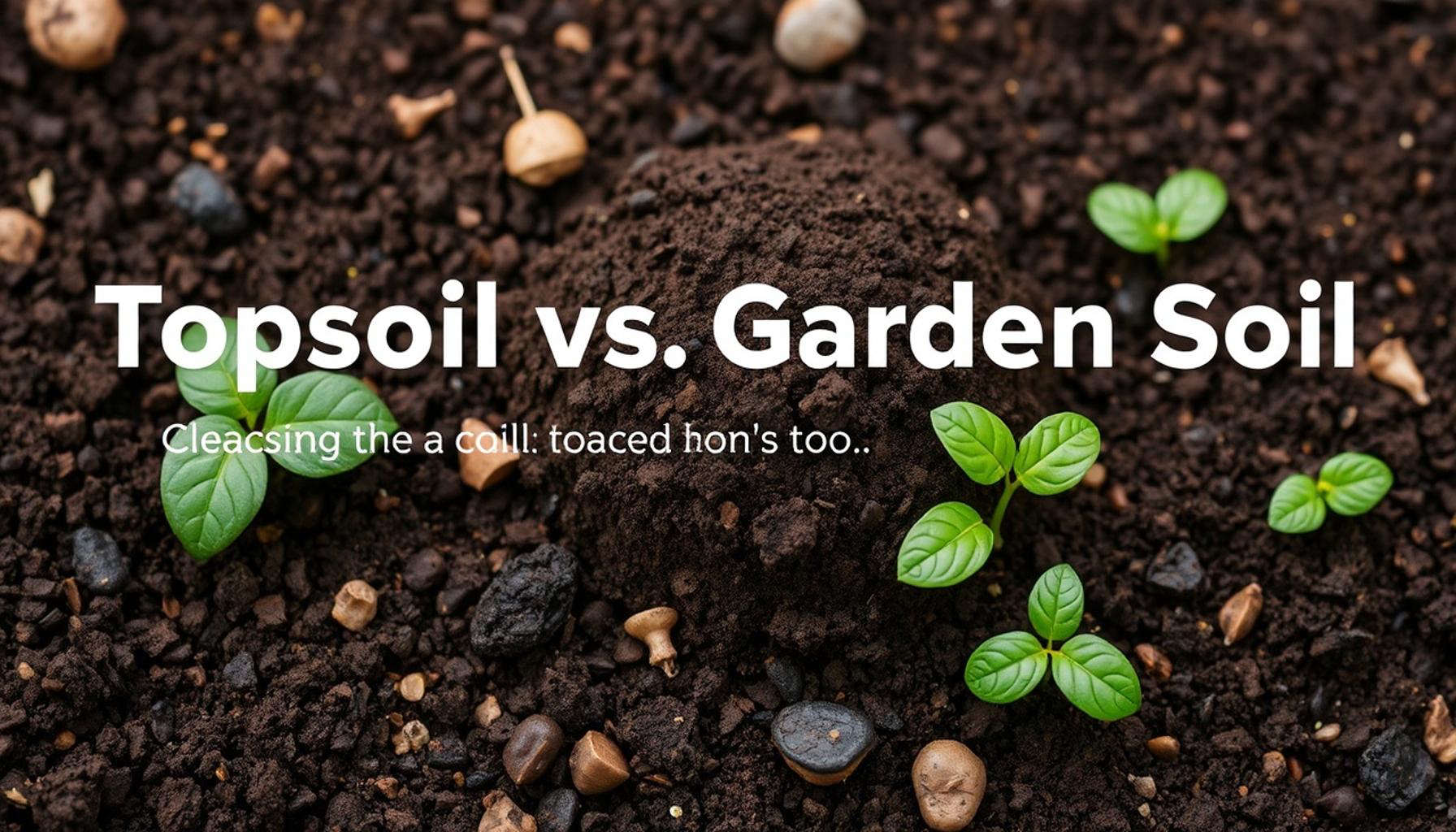
Before making your choice, it’s important to understand the fundamental differences between topsoil and garden soil, as each serves distinct functions in gardening. Topsoil is typically the uppermost layer of soil found in our environment, rich in organic matter like decomposed leaves and bark. Because of this organic content, it contains essential nutrients vital for plant growth. However, the level of nutrients may vary depending on its source. It’s commonly used for landscaping due to its natural properties and cost-effectiveness.
Garden soil, conversely, is a man-made product, crafted to offer an ideal environment for plant growth. It is a blend specifically formulated to support healthier plants. This soil is often enriched with fertilizers and other organic materials that are absent in topsoil. By incorporating things like compost, mulch, and manure, garden soil ensures a boost in fertility essential for vibrant plant beds. This makes garden soil particularly excellent for vegetable gardens or flower beds, where nutrient balance is paramount.
4. Nutrient Density and Composition
Nutrient density is a crucial factor affecting plant growth, and understanding the composition of your soil is key. Topsoil presents a natural array of nutrients, but its composition can be somewhat variable and might not provide an optimal balance for all types of plants. Many gardeners opt to use topsoil as a base for improving soil conditions, but it often requires supplementation with additional nutrients or organic material.
On the contrary, garden soil is meticulously designed to meet specific plant needs, offering a balanced mixture of essential nutrients. It is often enhanced with fertilizers and amendments that promote plant health and vitality. For instance, if you’re keen on growing tomatoes or roses, garden soil formulated with nutrient-specific fertilizers can bolster the growth of these plants, resulting in bountiful yields and luscious blooms.
3. Drainage and Aeration
Proper drainage and aeration are vital to prevent waterlogging or insufficient moisture for plant roots. Topsoil, while useful, may compact with time, hindering aeration and potentially suffocating plant roots. It may not drain as efficiently, thus making it less ideal for scenarios where controlled moisture is essential.
In contrast, garden soil often contains elements such as perlite, vermiculite, or peat moss, which significantly enhance drainage and maintain soil aeration. These components ensure that water can move freely, reducing the risk of root rot and fostering robust plant development. A healthy root system is the gateway to strong plants. For those aiming to cultivate vegetables or showcase vibrant flowers, garden soil offers the dynamic drainage capable of supporting successful growth.
2. Usage Scenarios
Your garden’s needs define the soil choice—whether landscaping your yard or nurturing specific plant beds. Topsoil is commonly used for filling in areas of your lawn, establishing a level base for light construction, or creating foundation beds. Its accessibility and cost-effectiveness make it a favorable option for larger landscaping projects.
Garden soil, however, is optimal for situations where intensive plant cultivation is the focus. It excels in scenarios such as:
- Raising vegetables where nutrient density dictates growth success
- Building flower beds that require consistent moisture and fertility
- Starting new plants in pots, where controlled environments are crucial
- Enhancing existing garden beds for improved plant performance
The mixed formulations in garden soil cater to these use cases, ensuring a supportive environment for plants to flourish.
1. Overall Plant Health and Growth
The ultimate consideration in your soil selection process should focus on optimizing plant health and encouraging growth. Garden soil, with its nutrient-enhanced composition and superior drainage properties, forms a loving habitat for your plants. It fosters vigorous growth, strong root formation, and resistance to environmental stressors.
If aiming for a lush home garden bursting with life, choosing garden soil can lead to remarkable results. Your tomatoes will bear plump fruits, flowers will bloom brightly, and herbs will thrive energetically. On the other hand, topsoil, while beneficial in particular landscaping tasks, generally does not provide the comprehensive support needed for optimal plant development.
In conclusion, understanding the distinct qualities of topsoil and garden soil equips you with the knowledge to select the right foundation for a flourishing garden. By considering factors such as nutrient density, drainage, aeration, and usage scenarios, you are prepped to make informed decisions that will yield robust plants and a captivating garden. Remember these insights the next time you visit your garden center, and pick the suitable soil to transform your home garden into a thriving green oasis!
When it comes to establishing a flourishing home garden, choosing the right type of soil is pivotal. Two popular types of soil that gardeners often consider are topsoil and garden soil. Each has its unique characteristics and benefits that cater to various gardening needs.Topsoil is the uppermost layer of soil and plays a crucial role in plant growth, largely due to its nutrient content and biological activity. It is rich in organic matter and supports healthy plants by providing essential nutrients and a conducive environment for root development. Additionally, topsoil is easily accessible and often less expensive, making it a popular choice for general landscaping and gardening. It is commonly used to fill in low areas in the garden or to create new planting beds.In contrast, garden soil is specifically formulated for gardening and typically contains a mix of soil, compost, and other organic amendments. This mixture is designed to offer optimal conditions for growing plants. A significant advantage of garden soil is its superior drainage capabilities, which are essential for preventing waterlogged conditions that can harm plants. This type of soil tends to be more balanced in terms of pH and nutrient content, providing a rich medium for plant roots to thrive. Furthermore, garden soil often comes with added fertilizers and amendments, making it an excellent choice for gardeners looking to promote healthier plant growth.Another consideration when choosing between these two types is the intended purpose. If you are simply looking to fill a raised bed or level the ground, topsoil is likely sufficient. However, if you are planting specific crops or flowers and want to ensure the best possible outcome, then opting for garden soil is advisable due to its tailored composition.Let’s explore the advantages of both soil types more closely.
| Soil Type | Advantages |
|---|---|
| Topsoil | Naturally rich in nutrients, provides an ideal base for various plants, generally less costly. |
| Garden Soil | Enhanced drainage and aeration, specially formulated for optimal plant growth, often enriched with compost. |
It’s also essential to consider the types of plants you wish to grow. For instance, vegetable gardens often benefit more from garden soil due to its nutrient density and moisture-retaining properties. On the other hand, flower beds and lawns may do well when amended with topsoil, especially if the underlying soil is poor.Both topsoil and garden soil have their places in modern gardening practices. Understanding their respective advantages, paired with the specific needs of your plants, will help ensure a healthy and vibrant garden. Whether you’re starting anew or enhancing your existing garden, making an informed choice between topsoil and garden soil is a fundamental step towards successful gardening.
Frequently Asked Questions about Topsoil vs. Garden Soil
What is the main difference between topsoil and garden soil?
The primary difference between topsoil and garden soil lies in their composition and intended use. Topsoil is typically less refined and consists of organic matter, minerals, and nutrients found naturally in the earth’s uppermost layer. It may vary significantly in quality and is ideal for filling large areas or leveling. In contrast, garden soil is a mixture specifically enriched with additional nutrients and organic materials, such as compost, tailored for optimal plant growth. It is ideal for flower beds, vegetable gardens, and potted plants.
Can I use topsoil in my garden instead of garden soil?
While it is possible to use topsoil in a garden, it may not support plant growth as effectively as garden soil. Topsoil lacks the rich nutrient content and specific adjustments made in garden soil formulations to promote plant health. For best gardening results, especially if growing vegetables or flowers, it’s recommended to use garden soil as it is designed to provide the necessary drainage, aeration, and nutrients that plants need.
How can I determine which type of soil I need for my project?
To decide between topsoil and garden soil, consider the requirements of your specific gardening project. For landscaping tasks like leveling and filling large areas, topsoil is a cost-effective solution. However, if your goal is to establish a thriving garden with flowers, vegetables, or herbs, garden soil is the better choice due to its enhanced nutrient content. Additionally, assess your soil’s current condition with a soil test to understand its nutrient levels and structure before making a decision.
Is it necessary to mix garden soil with existing soil in garden beds?
Yes, mixing garden soil with existing soil in your garden beds is often advisable. This process helps to integrate the beneficial properties of garden soil, such as increased organic content and improved drainage, into your existing soil structure. It ensures a more consistent nutrient distribution and can address any specific deficiencies identified in a soil test, leading to healthier and more robust plant growth.
Can I create my own garden soil from topsoil?
Yes, you can enhance topsoil to create your own garden soil by amending it with organic materials like compost, peat moss, and well-rotted manure. These additions not only improve the soil’s fertility and structure but also boost its water retention capacity and drainage. By customizing your mix, you can tailor it to meet the specific needs of your garden plants, which can be a cost-effective solution and allows for greater control over soil composition.
Conclusion
Choosing between topsoil and garden soil is a fundamental decision for any aspiring gardener, and understanding their differences is key to cultivating a thriving home garden. As we have explored, topsoil is the outermost layer of earth, rich in organic matter and minerals. It offers a great starting point for filling large areas or leveling land. It can serve as a solid foundation when addressing issues like erosion or when you need a large volume of soil for landscaping projects.
In contrast, garden soil is specifically formulated to support plant growth, enhanced with nutrients and organic materials. This makes it ideal for creating beds or for container gardening, where plant health is a primary concern. Using garden soil in areas where plants require specific nutrient profiles can significantly improve your success, particularly when growing fruits, vegetables, or flowers that have precise needs.
Key Takeaways
- Topsoil is best used for general landscaping, filling raised beds, or preparing larger garden areas.
- Garden soil is enriched and targeted for specific plant needs and is optimal for more intensive growing areas like vegetable patches.
- Understanding the organic content and texture of your soil will guide you in making the right choice between the two.
- Be sure to consider your specific gardening goals, whether it’s creating a lush lawn or cultivating vegetable beds, as each scenario may demand a different type of soil.
In conclusion, by selecting the appropriate type of soil for your gardening projects, you significantly enhance your chances for success. Remember that gardening is a rewarding, ongoing learning experience. Even with the best soil, experimentation and patience are crucial as you develop your green thumb. Ultimately, understanding the distinct properties of topsoil and garden soil empowers you to make informed decisions, setting a firm foundation for a thriving and beautiful home garden.

Linda Carter
Linda Carter is a writer specializing in gardening and growing at home for beginners. With extensive experience helping readers confidently care for plants, Linda shares practical guidance on preparing soil, choosing suitable plants, watering, planting, and maintaining home gardens. Her goal is to provide clear tips and accessible strategies that help beginners grow healthy plants and enjoy gardening in any space.