Revolutionizing Road Safety
In an era where technology accelerates at lightning speed, the automotive industry is in the throes of a revolution. Car safety technologies are becoming more advanced, promising a future where driving is not only efficient but also remarkably secure. These innovations aim to dramatically reduce the rate of road accidents and enhance the overall driving experience. As consumers, understanding these innovations can empower us to make informed decisions. Here are key advancements to watch:
Advanced Driver Assistance Systems (ADAS)
Advanced Driver Assistance Systems (ADAS) are a remarkable leap forward in vehicle technology. Features like lane-keeping assist, which gently steers the car to keep it centered in its lane, and adaptive cruise control, which automatically adjusts the vehicle’s speed to maintain a safe distance from the car ahead, are just the beginning. These systems leverage sensors, cameras, and radar to provide real-time data and analysis on driving conditions, effectively turning an ordinary vehicle into a semi-autonomous one. For instance, a study by the Insurance Institute for Highway Safety (IIHS) found that vehicles equipped with certain ADAS features experienced a 50% reduction in crashes. This data highlights the vital role such technologies play in enhancing road safety.
Automated Emergency Braking
Automated Emergency Braking (AEB) is another groundbreaking feature that enhances vehicle safety. This technology uses sensors to detect an imminent collision with another vehicle or an obstacle, triggering automatic braking if the driver fails to respond in time. For example, the National Highway Traffic Safety Administration (NHTSA) reported that AEB can prevent or mitigate up to 60% of rear-end collisions. These statistics underscore the necessity of AEB systems, particularly in crowded urban environments where such incidents are common.
Vehicle-to-Everything (V2X) Communication
Vehicle-to-Everything (V2X) Communication is an innovative concept that connects vehicles to each other and to infrastructure like traffic lights and road signs. By facilitating real-time communication, V2X enhances situational awareness and minimizes the risk of accidents. For example, if a vehicle detects a traffic jam ahead, it can communicate this information to others, prompting them to slow down or take alternative routes. Imagine a future where traffic is managed dynamically, reducing congestion and creating safer intersections, a reality that V2X technology aims to achieve.
Looking ahead, the integration of artificial intelligence and machine learning is set to redefine how we perceive safety on the road. These systems learn from vast amounts of driving data, continuously improving their responses and predictions about driving behaviors and potential hazards. Such advancements are not just novelties; they are becoming essential components of our vehicles.
As we dive deeper into the future of car safety technology, it’s crucial to explore what innovations lie ahead and how they will reshape our driving experiences. This journey not only highlights the potential for reduced accidents but also emphasizes a collective movement towards safer roads for everyone in the United States. Staying informed about these technologies can empower consumers to choose vehicles that prioritize safety, ultimately contributing to a progressive shift in road safety standards nationwide.
Next-Level Innovations in Automotive Safety
The landscape of car safety technology is rapidly evolving, driven by a surge in innovation aimed at safeguarding drivers and passengers alike. As we look to the future, several groundbreaking developments are set to transform the way we understand and experience vehicle safety. From smarter vehicles to an interconnected transportation ecosystem, these advancements promise to not only reduce accidents but also redefine our everyday driving encounters.
Artificial Intelligence in Safety Systems
Artificial Intelligence (AI) plays a pivotal role in the future of automotive safety, enhancing both the performance and reliability of various safety technologies. Advanced AI algorithms analyze countless driving scenarios, learning from patterns and potential hazards to improve real-time responses. For instance, AI can help to predict and mitigate risks in complex traffic environments, providing actionable insights that a human driver might not readily see. Companies like Tesla and Waymo are already incorporating robust AI systems to enhance their autonomous driving features, showcasing the promise of reduced collision rates significantly.
Smart Traffic Management Systems
Smart Traffic Management Systems are revolutionizing how cities manage vehicle flow and road safety. Leveraging big data and analytics, these systems optimize traffic signals and route planning, minimizing congestion and the likelihood of accidents. Future urban landscapes will likely include intelligent traffic signals that communicate with vehicles to adapt in real-time, ensuring smoother traffic movement. According to a recent study by the Federal Highway Administration, smart traffic systems can reduce traffic delays by up to 30%, subsequently lowering the number of accidents caused by stop-and-go traffic conditions.
The Emergence of Biometric Vehicle Controls
Biometric Vehicle Controls represent another exciting frontier in car safety technology. With advances in biometric sensors, drivers could one day unlock and start their vehicles using fingerprint or facial recognition technology. This innovation not only enhances vehicle security but could also play a crucial role in monitoring driver conditions. For example, integrating health monitoring systems could alert if a driver is experiencing fatigue or a medical emergency, triggering safety protocols such as automatic vehicle stoppage. Such technologies hold the promise of a safer driving experience and could be particularly beneficial for commercial driving environments.
Head-Up Displays (HUD) and Augmented Reality
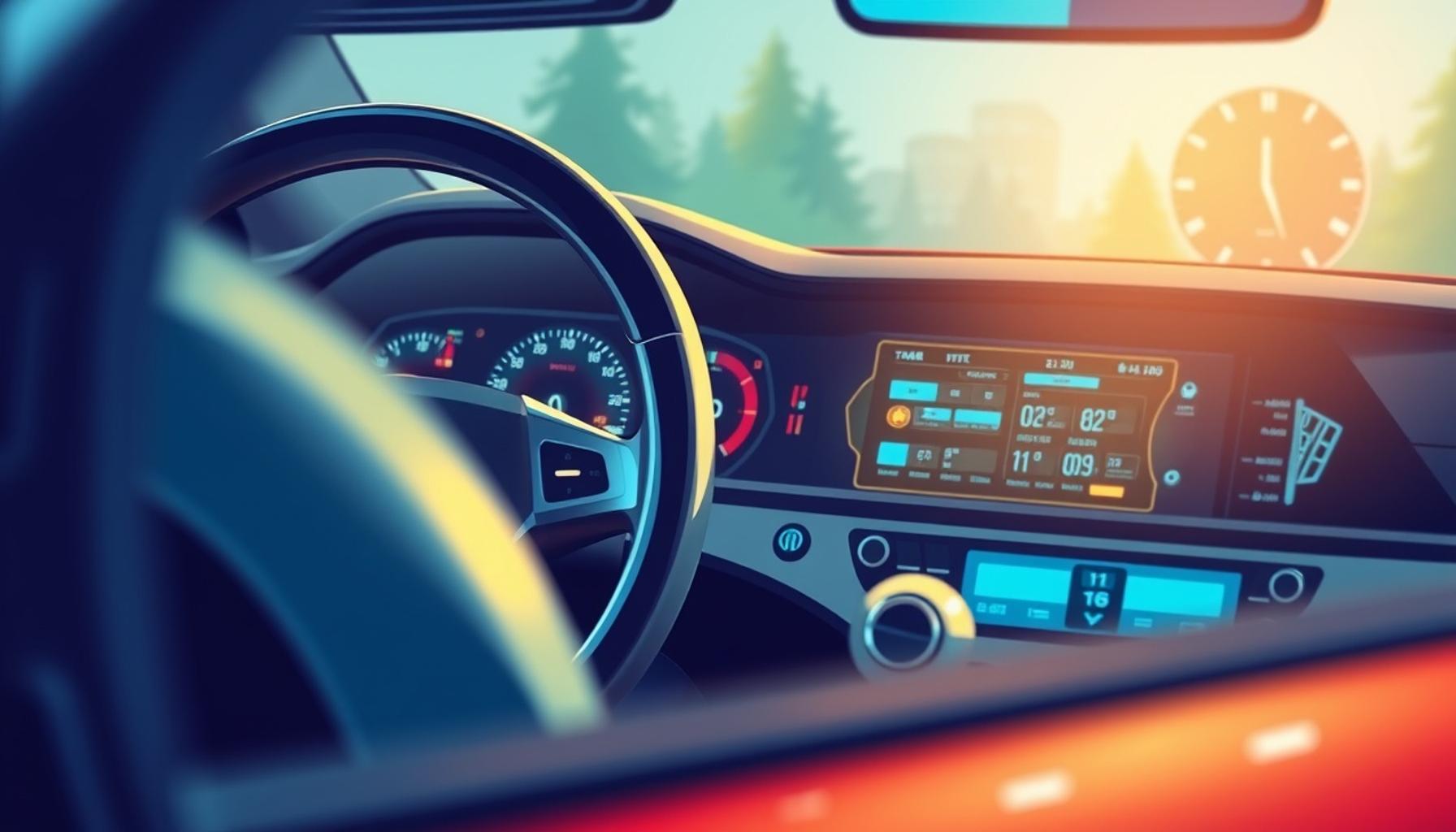
Head-Up Displays (HUD) and augmented reality features are set to create a more intuitive driving experience. Advanced HUDs can project critical driving information directly onto the windshield, allowing drivers to maintain focus on the road while receiving real-time updates on speed, navigation, and safety alerts. Future iterations may integrate augmented reality to enhance situational awareness—visualizing potential hazards and helping drivers to make informed decisions in fraction-of-a-second scenarios. This direct integration reduces cognitive load, reducing the potential for human error, and paving the way for safer driving conditions.
As we delve deeper into the future of car safety technology, it’s essential to stay informed about these trends and their implications. The transition to smarter vehicles and more responsive driving ecosystems is not merely an enhancement; it’s a necessary evolution aimed at ensuring the safety of everyone on the road. Understanding these innovations equips consumers to make educated choices about vehicle purchases, pushing the entire automotive industry toward higher safety standards and more secure transportation options.
Emerging Innovations on the Horizon
As the automotive industry continues to evolve, several innovations in car safety technology are anticipated to reshape the driving experience. One of the most exciting developments is the integration of artificial intelligence (AI) in safety systems. AI can analyze driver behavior and environmental conditions in real time, enabling vehicles to proactively assist in preventing accidents. For instance, AI-driven systems can alert drivers to potential dangers, such as tailgating or unexpected changes in traffic patterns.Another notable advancement is the implementation of advanced driver assistance systems (ADAS)</strong). These systems, which include features like lane-keeping assist, adaptive cruise control, and automatic emergency braking, are becoming standard in many new vehicles. ADAS uses cameras and sensors to monitor surroundings, greatly enhancing safety and drastically reducing the risk of collisions. Future iterations are expected to incorporate more complex algorithms and improved sensor technologies, making them even more reliable.Moreover, the introduction of connected car technology will revolutionize the way vehicles communicate with each other and infrastructure. This technology allows cars to share data about road conditions, traffic signals, and potential hazards with nearby vehicles, creating a collective awareness that can preemptively address safety issues. As we look toward the future, the combination of these technologies not only highlights the moving frontier of car safety but also emphasizes the industry’s commitment to protecting drivers and passengers alike. Understanding these innovations will enable consumers to make informed decisions about their vehicle purchases and to embrace the future of safer driving.
| Category 1 | Category 2 |
|---|---|
| Artificial Intelligence (AI) | Real-time analysis of driver behavior and traffic conditions. |
| Advanced Driver Assistance Systems (ADAS) | Key features include lane-keeping and adaptive cruise control. |
| Connected Car Technology | Vehicles sharing data about road conditions and hazards. |
Advanced Connectivity: The Future of Vehicle Communication
As vehicles become more integrated within the larger ecosystem of smart technology, advanced connectivity stands to revolutionize car safety. The advent of Vehicle-to-Everything (V2X) communication allows cars to exchange data with other vehicles, infrastructure, and even pedestrians. This communication enables a new level of situational awareness, allowing vehicles to anticipate potential dangers and provide alerts to drivers before accidents occur. It also enhances the effectiveness of advanced driver assistance systems (ADAS) by ensuring real-time updates on traffic conditions, road closures, or hazards ahead. For instance, if a vehicle brakes suddenly ahead, connected vehicles can swiftly receive this information, enabling them to react promptly and avoid collisions.
The Role of 5G Technology
The rollout of 5G technology is expected to be a game-changer in automotive safety. With its high-speed, low-latency capabilities, 5G will facilitate seamless communication between vehicles and their environments. This innovation will enhance capabilities like real-time traffic data sharing and improved navigation systems, significantly reducing predictability errors associated with human driving. According to a study by Deloitte, 5G will enable innovations such as cooperative collision avoidance systems, which could reduce accidents by as much as 50% in heavily trafficked areas, demonstrating the profound impact of connectivity on vehicle safety.
Enhanced Driver Monitoring Systems
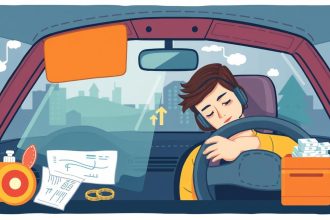
As concerns about distracted and fatigued driving grow, enhanced driver monitoring systems are becoming integral to future vehicle designs. Utilizing a variety of onboard sensors and cameras, these systems will continuously assess driver behavior, looking for signs of distraction or signs of fatigue, such as yawning or blinking patterns. When detected, the system can trigger alerts or even take control of the vehicle in critical situations. Leading manufacturers like Mercedes-Benz and Ford are already implementing these systems, emphasizing the importance of responsible driving. Research by the National Highway Traffic Safety Administration (NHTSA) shows that distracted driving was a factor in over 390,000 injury crashes in 2019 alone, highlighting the urgency for effective solutions.
Innovations in Crash Protection Technologies
Future car safety technology also encompasses significant advancements in crash protection capabilities. The design and materials of vehicles are evolving, with manufacturers increasingly utilizing lightweight but strong materials, such as carbon fiber and advanced polymers. These constructions not only enhance fuel efficiency but also improve crash safety by absorbing impact energy more effectively. Additionally, new inventions such as external airbags that deploy upon a collision are being tested. These airbags can cushion the impact on pedestrians and cyclists and lessen injuries significantly. The European New Car Assessment Programme (Euro NCAP) is a frontrunner in assessing the efficacy of such technologies, shaping future safety standards globally.
Integration of Autonomous Safety Features
Finally, autonomous safety features represent the pinnacle of innovation in car safety technology. As autonomous vehicles continue to roll out, these vehicles are equipped with an array of sensors, cameras, and intelligent decision-making algorithms designed to make driving decisions on their own. The role of human drivers will diminish, given that fully autonomous vehicles can assess their surroundings with precision unattainable by human senses. In the coming years, regulators and manufacturers will focus on ensuring that such technologies are robust, dependable, and ready to prevent accidents effectively.
The convergence of these innovations in car safety technology paints a compelling picture of the future. With enhanced connectivity, improved driver monitoring, and a focus on crash protection, the automotive industry is on the cusp of major breakthroughs. As consumers, staying informed about these advancements not only shapes our purchasing decisions but also encourages a safer driving environment for all.
Conclusion: Embracing the Future of Car Safety Technology
As we look towards the horizon of the automotive industry, the innovations in car safety technology provide a roadmap for a much safer driving experience. The advent of advanced connectivity, powered by 5G technology, opens new avenues for real-time vehicle communication that can significantly reduce accident rates. The incorporation of enhanced driver monitoring systems highlights the industry’s commitment to addressing the dangers of distracted and fatigued driving, further underscoring the need for responsible vehicle operation.
Moreover, innovations in crash protection reflect a paradigm shift in vehicle design, creating safer environments not just for drivers, but also for pedestrians and cyclists. The promise of external airbags and the utilization of advanced materials are just a glimpse into the future of injury prevention. As we usher in an era dominated by autonomous safety features, it becomes increasingly clear that technology can fill the gaps left by human error and perception.
The synergy of these technologies paints an optimistic picture of what lies ahead. It encourages an informed consumer base that advocates for the integration of these innovations into everyday driving, ultimately fostering a more secure road system. As current and prospective vehicle owners, staying abreast of these changes is crucial, not only to enhance personal safety but also to contribute to a collective effort toward a safer driving landscape. The future of car safety technology is not just a glimpse of advancements; it’s a clarion call for conscious engagement in the evolution of our driving experiences.