
Unlocking Efficiency and Balance
In today’s fast-paced world, managing time effectively is more crucial than ever. Many individuals find themselves juggling multiple obligations, from work commitments to family responsibilities and personal interests, making it challenging to maintain a healthy work-life balance. According to a recent survey, nearly two-thirds of Americans report feeling stressed about their workload, underscoring the need for effective time management solutions. Productivity apps have emerged as powerful tools designed to assist people in prioritizing tasks and optimizing their daily routines.
These applications offer a range of features that can revolutionize the way we manage our time. For instance, the ability to create task lists allows users to easily categorize tasks based on urgency and importance. Users can assign deadlines and even color-code tasks to quickly identify priorities. Moreover, many apps provide the option to break larger projects into manageable steps, making it less overwhelming and more achievable.
Calendars serve as another essential feature; they allow individuals to visualize their schedules, highlighting deadlines, appointments, and events. This visual representation helps users see their commitments at a glance, reducing the risk of overbooking and stress. Integrating these calendars with other digital platforms—such as Google Calendar or Microsoft Outlook—can further streamline organization. For example, a user can sync their work calendar with a personal one, ensuring that there are no scheduling conflicts.
Setting reminders is also a key benefit of these productivity apps. Alerts help ensure that important tasks aren’t overlooked, allowing for timely completion and ultimately leading to a reduction in anxiety about forgotten obligations. Furthermore, these notifications can be customized based on individual preferences, whether a simple pop-up or an email alert works best for them.
Collaboration tools embedded within many productivity applications are essential for teamwork. Users can share tasks with colleagues, track their progress, and communicate effectively in real-time. For instance, a marketing team can use platforms like Asana or Trello to assign tasks, set deadlines, and monitor the status of various marketing campaigns, thereby improving communication and accountability among team members.
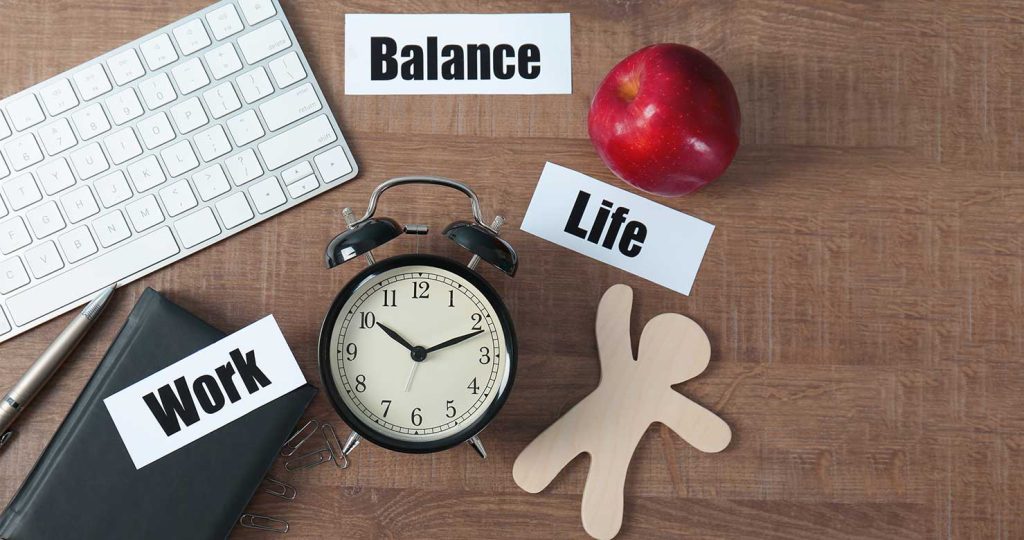
Beyond enhancing organization, productivity apps can significantly diminish stress by providing a clear overview of what needs to be accomplished. This clarity empowers individuals to focus on essential responsibilities, ultimately enhancing their overall productivity. A study showed that those who use productivity tools reported a 25% increase in their efficiency, suggesting these apps not only aid in time management but also in achieving work-life balance.
As we delve deeper into this topic, you’ll discover how specific productivity apps can tailor their functionalities to fit various lifestyles, be it busy parents balancing work and children’s schedules, or young professionals launching their careers. The question arises: are you ready to take charge of your daily tasks and carve out more time for what truly matters? Exploring the potential of productivity apps could be the first step in reclaiming that balance.
DISCOVER MORE: Click here to enhance your daily routine
Maximizing Task Management with Technology
With the rise of digital technology, productivity apps have gained significant traction among individuals seeking to improve their time management skills. The features integrated within these applications are tailored to meet diverse needs, whether you’re a busy professional, a student, or a parent juggling multiple responsibilities. By harnessing the capabilities of these tools, users can effectively prioritize tasks and gain control over their daily routines.
One of the standout features of productivity apps is their ability to create dynamic to-do lists. These lists not only allow users to outline tasks but also enable them to assess the importance and urgency of each item. Most applications provide sorting options such as “high priority,” “medium priority,” and “low priority.” This clarity helps users narrow down their focus to what truly matters, ensuring that important tasks are completed first while less urgent ones can be scheduled for later. Some apps even incorporate artificial intelligence to suggest priority levels based on user behavior and deadlines, enhancing the decision-making process.
Scheduling features are another crucial aspect of productivity apps. By offering an interactive calendar interface, these applications make it easy to allocate time for work tasks, personal commitments, and even leisure activities. Many productivity tools, such as Todoist or ClickUp, allow users to set specific time blocks for different activities, which can lead to more disciplined work habits. Integrating breaks into the schedule is an additional benefit; this aspect promotes both productivity during work hours and mental well-being during downtime.
Consider the following benefits of utilizing productivity apps for task management:
- Enhanced Focus: By limiting distractions and isolating priority tasks, individuals are more likely to maintain concentration and avoid overwhelm.
- Improved Goal Setting: Productivity apps often feature goal-setting tools that allow users to define personal and professional milestones, thus promoting long-term success.
- Better Time Allocation: Tracking how much time is spent on tasks helps users identify areas where they may be wasting time, allowing for better future planning.
- Increased Accountability: By setting reminders and deadlines, users can hold themselves accountable for completing tasks, leading to a greater sense of accomplishment.
Moreover, many of these productivity applications offer integration with other popular tools, such as Slack for team communication or Dropbox for file sharing. This seamless connectivity not only enhances organizational efficiency but also reduces the friction often experienced when switching between multiple platforms. Gamification is also becoming an integral part of productivity apps, where users can earn rewards for completing tasks, making task management feel more engaging and less like a chore.
Incorporating productivity apps into daily routines is more than just about tracking tasks; it’s about creating a structure that promotes a healthier work-life balance. As users become accustomed to prioritizing their responsibilities efficiently, they start to reclaim valuable time for personal interests and family, which is often lost in the hustle of daily life. Thus, the transformative potential of these apps makes them a vital resource for anyone looking to enhance their productivity while maintaining equilibrium between work and personal life.
Understanding Productivity Apps
Productivity apps have rapidly evolved into essential tools in our daily lives, advocating for better time management and enhancing our work-life balance. A variety of apps exist, tailored for different needs—ranging from simple task managers to intricate project management systems. By providing structured platforms for organizing tasks and deadlines, these applications help individuals in both personal and professional realms streamline their responsibilities, reducing the overwhelming nature of juggling multiple obligations.
Key Functions of Productivity Apps
Productivity applications offer numerous features that make prioritization possible. Most enable users to create to-do lists with customizable deadlines and reminders, ensuring critical tasks don’t fall through the cracks. Additionally, many productivity apps incorporate performance tracking metrics, allowing users to see their progress over time. This not only aids in identifying productivity patterns but also promotes accountability, ultimately fostering a more balanced workflow.For instance, apps like Trello and Asana allow teams to collaborate efficiently, making it convenient to delegate tasks and manage projects. Meanwhile, individual users may find intuitive options like Todoist or Google Keep advantageous for keeping tabs on personal goals.
Enhancing Work-Life Balance
The flexible nature of productivity apps can contribute significantly to achieving a harmonious work-life balance. By helping users prioritize essential tasks, they mitigate the stress associated with unmet deadlines and overwhelming responsibilities. Individuals can allocate their time more effectively, resulting in more opportunities for relaxation and personal activities.Moreover, productivity apps often come equipped with features that promote breaks and downtime. Some applications, like Forest, gamify focus time, encouraging users to step away from digital distractions while rewarding them with a sense of accomplishment. This helps prevent burnout, ensuring users can maintain high levels of efficiency both in their work and personal lives.
A Call to Explore
In a world where the battle between professional obligations and personal fulfillment is increasingly fierce, it’s vital to leverage technology to our advantage. Productivity apps not only assist in task prioritization but also open avenues for personal exploration and wellness. As you dive deeper into the world of productivity applications, consider how they can not only alleviate stress but also rejuvenate your overall lifestyle. Discover the one that resonates most with your unique needs and unlock the potential for a balanced life.
| Category | Description |
|---|---|
| Task Management | Apps help organize tasks by priority and deadline. |
| Time Tracking | Many apps monitor time spent on tasks, enhancing efficiency. |
DISCOVER MORE: Click here to learn about enhancing your daily routine
Streamlining Collaboration and Reducing Stress
Another profound advantage of productivity apps lies in their capacity to streamline collaboration within teams. In today’s workspace, many professionals are increasingly operating within remote or hybrid models. Tools like Asana and Trello offer collaborative project management features that allow team members to assign tasks, set timelines, and track progress in real-time. This capability fosters transparency, ensuring that everyone is aligned on priorities, which can significantly alleviate the stress often associated with miscommunication or overlapping responsibilities. By visualizing work in this way, teams can efficiently prioritize collective objectives and enhance their overall productivity.
Moreover, productivity apps evolve continuously, integrating features that cater specifically to work-life balance. For example, several platforms now incorporate wellness check-ins, reminding users to assess their mental health and overall well-being. These features prompt users to take breaks, engage in quick mindfulness exercises, or even schedule social activities, proactive measures that contribute to a balanced lifestyle. According to a survey conducted by the American Psychological Association, employees who feel supported by their organizations in managing work stress report higher overall job satisfaction—a key factor in employee retention and engagement.
One distinct example of this is the rise of applications such as RescueTime, which tracks users’ online activities and provides insights on productivity levels throughout the day. This data enables individuals to identify which tasks consume excessive time or lead to procrastination, thus allowing for focused adjustments. Users can set personal goals, such as reducing time spent on social media during work hours, which enhances their ability to prioritize essential tasks effectively.
Integration with digital calendars is another essential feature that enhances task prioritization. For instance, apps like Google Calendar sync seamlessly with productivity tools, allowing users to view tasks, meeting agendas, and deadlines in one consolidated space. This capability helps emphasize time allocation, ensuring that work tasks do not encroach upon personal commitments. When users can visually comprehend their workloads, they can manage their time better and guard against the pitfalls of burnout.
As productivity apps innovate, many are now incorporating artificial intelligence to personalize user experiences. For example, some applications utilize machine learning algorithms to analyze productivity patterns over time. By doing so, they can offer tailored recommendations on optimal work hours, ideal task completion times, and even suggest when to take breaks to maximize efficiency. This adaptability empowers users to refine their strategies continually, leading to more sustainable work habits.
Furthermore, adapting to new productivity tools often requires minimal training, making them accessible for individuals of all tech-savviness levels. This ease of adoption encourages a broader demographic to embrace productivity solutions, leveling the playing field in productivity management. Statistics from a recent report by the International Data Corporation (IDC) indicate that 73% of organizations have increased their use of digital collaboration tools during the past year, highlighting the necessity of embracing technology to strike a balance between professional and personal domains.
As users experiment with various productivity apps, the key is to find the right mix of tools that facilitate task prioritization and support a healthier work-life balance. The freedom and flexibility offered by these applications not only empower users to manage their tasks but also contribute significantly to reducing stress and enhancing overall well-being.
DISCOVER MORE: Click here to enhance your workspace
Conclusion: Embracing Productivity Apps for a Balanced Life
In the fast-paced world we inhabit, productivity apps have emerged as indispensable allies, enabling individuals and teams to prioritize tasks effectively while cultivating a healthier work-life balance. As explored throughout this article, these innovative tools not only facilitate efficient task management but also champion transparency and collaboration among remote and hybrid teams. By integrating features such as wellness check-ins, users are reminded to tend to their mental well-being, ultimately fostering a more supportive work environment.
The true strength of productivity apps lies in their ability to provide personalized insights and recommendations, created through advanced artificial intelligence algorithms. As users track their productivity patterns, they can identify time drains and optimize work habits, curating an individualized approach that respects both personal and professional commitments. Studies, such as the one from the American Psychological Association, reveal that when employees feel supported, their job satisfaction markedly increases, reinforcing the need for organizations to incorporate these digital solutions.
As we move forward in this digitally driven landscape, it is paramount for individuals to explore various productivity applications, finding those that resonate with their unique workflows. By harnessing the capabilities of these tools, users can not only streamline their tasks but also embrace a lifestyle that emphasizes balance, satisfaction, and overall well-being. The journey towards heightened productivity and a sustainable work-life dynamic starts with the right app—one that empowers individuals to take control of their time and commitments, both in and out of the office.