How to Create Your Own Sustainable Art Materials Using DIY
Discover the Art of Sustainability
In a world increasingly aware of environmental issues, the shift towards sustainable art materials has become essential for responsible creators. Artists, crafters, and DIY enthusiasts can make a significant impact by choosing to create their own art supplies. This not only minimizes waste but also provides a unique avenue for personal expression. As environmental concerns grow, artists are seeking alternative methods that align with their values while still allowing them to create stunning works of art.
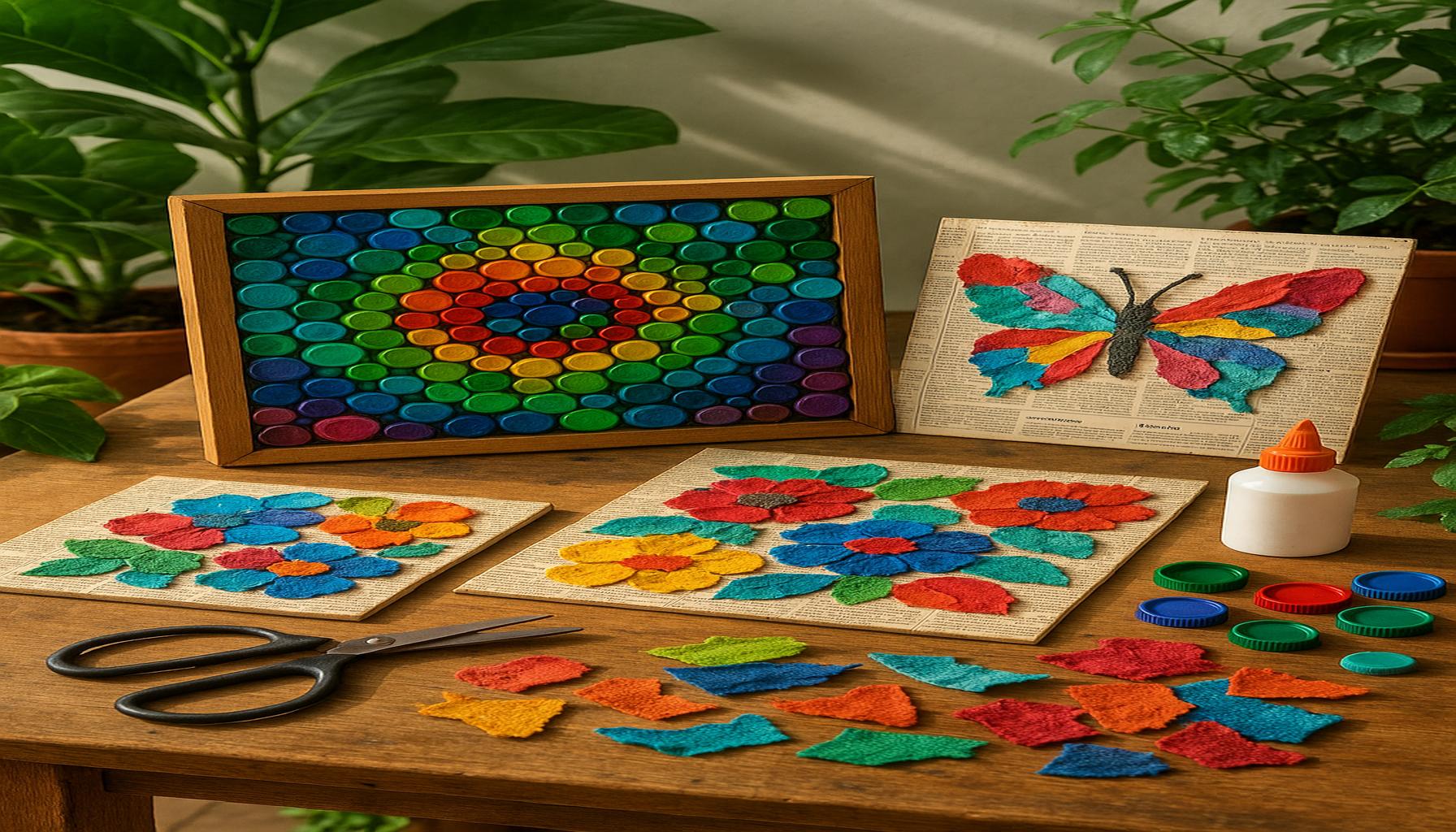
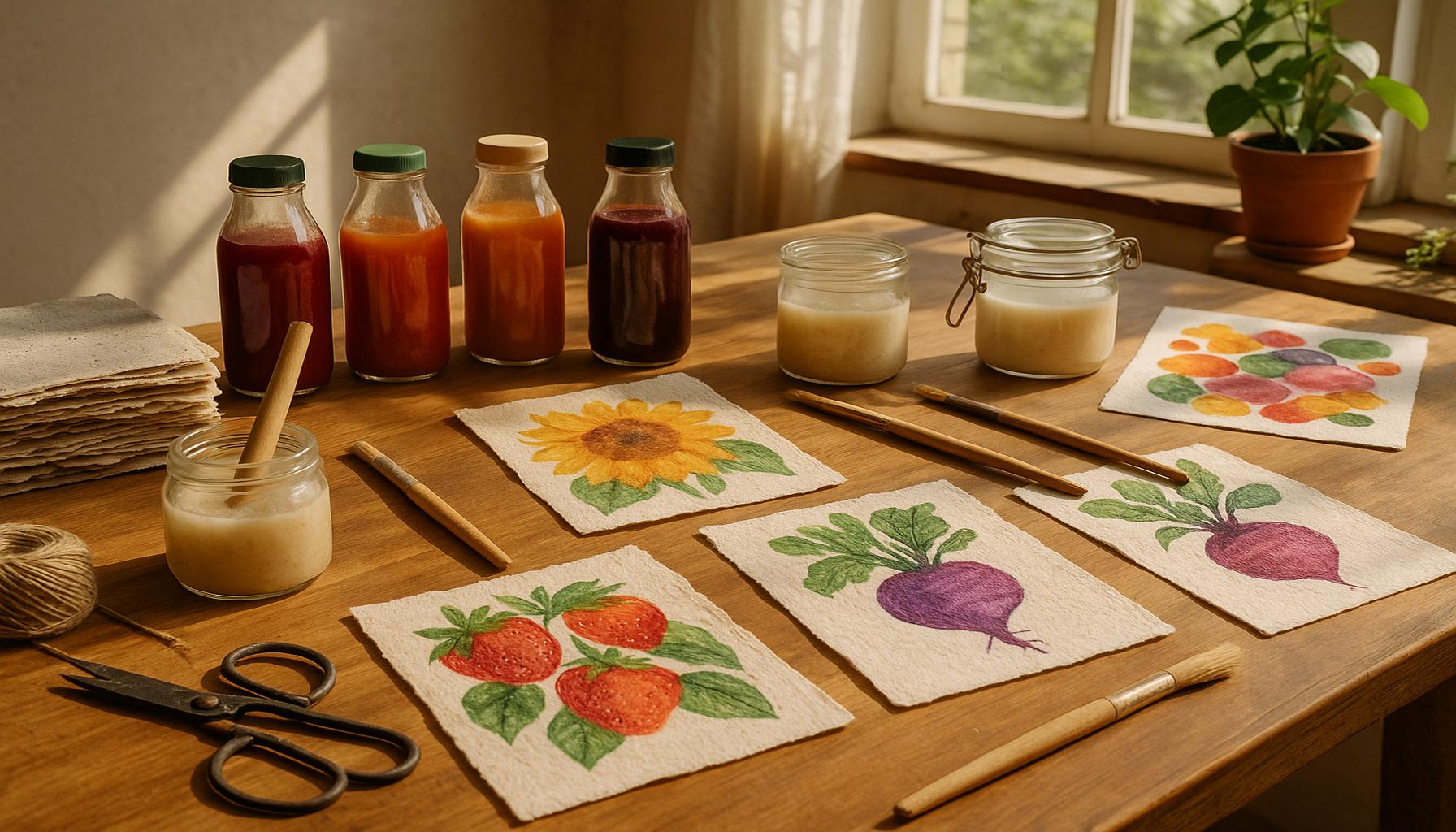
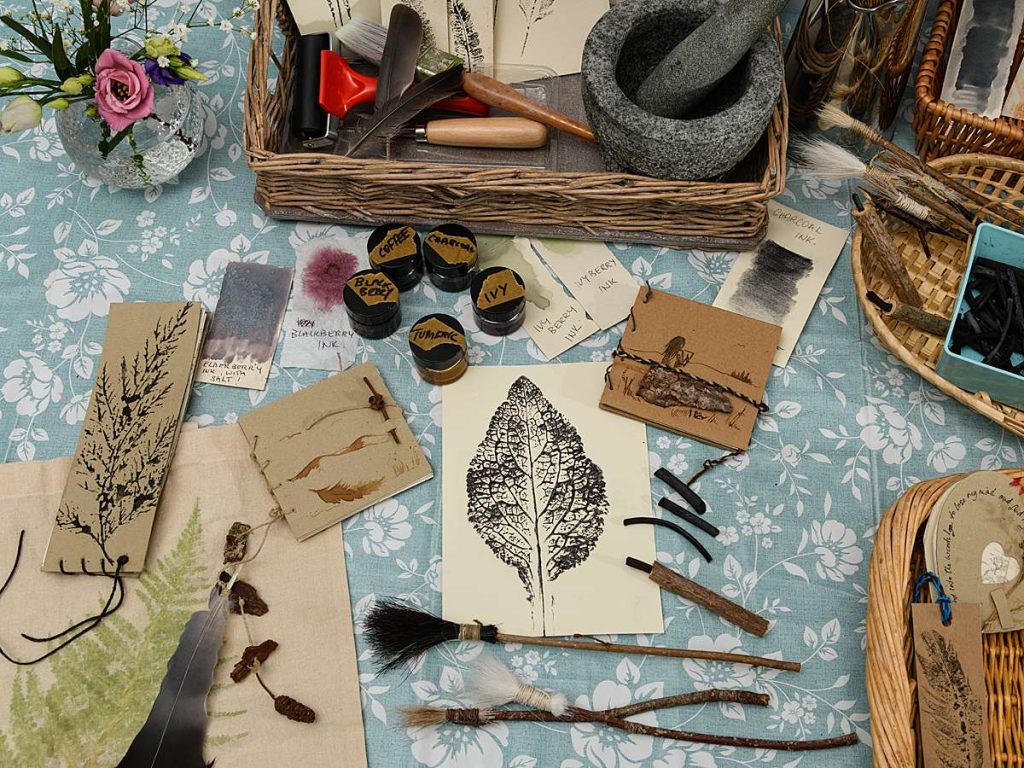
Imagine crafting your own paint from natural ingredients. For instance, you can use ingredients like beet juice for reds, turmeric for yellows, and spinach for greens. These natural dyes not only produce vibrant colors but are also biodegradable, posing no threat to the environment. Additionally, utilizing recycled materials—such as turning old magazines into collages or using glass jars as paint holders—helps reduce waste while giving your artwork a unique touch.
Here are some key reasons why making your own art materials is beneficial:
- Eco-friendly: This approach reduces reliance on commercial products that may contain harmful chemicals, which can contribute to pollution and health issues. Sustainable choices help protect our planet by minimizing toxic waste in landfills, air, and waterways.
- Cost-effective: Making your own supplies saves money; for example, creating homemade paint from leftover coffee or tea is not only frugal but also creative. By repurposing items you already own—like fabric scraps or old furniture—you breathe new life into materials that might otherwise be discarded.
- Unique textures and colors: Customizing materials can enhance your artistic vision. A painter using crushed charcoal from a fire can achieve a range of textures that traditional paints might not offer. Engaging with natural materials can lead to new techniques and fresh ideas.
Engaging in DIY sustainable art projects opens doors to unexpected discoveries. Imagine crafting brushes from nature’s bounty by using twigs, squirrel tails, or even dried grasses. The process encourages creativity, innovation, and a deeper connection with the materials you use. Such experiences can inspire newer generations of artists to consider the environmental impacts of their choices.
As we dive deeper into the art of making your own sustainable art supplies, you will find practical tips and inspiration. For instance, consider exploring online platforms or local workshops dedicated to eco-friendly practices in art. Get ready to experiment and transform everyday items into exceptional materials that encapsulate your commitment to sustainability. Each brushstroke or collage piece becomes a testament to both your creativity and your eco-conscious efforts.
If you’re interested in expanding your knowledge in this area, consider connecting with local artist networks or engaging with social media platforms that focus on sustainable artistry. The journey into sustainable art not only enhances your skills but fosters a community that values environmental responsibility in creative expression.
DISCOVER MORE: Click here to enhance your writing skills
Unlocking the Potential of Natural Dyes
Creating your own sustainable art materials begins with the vibrant world of natural dyes, which can be sourced from everyday items found in your kitchen or backyard. Rather than relying on synthetic dyes that may contain harmful chemicals, consider harnessing the power of nature. The process is simple and fun, allowing you to engage with your art on a deeper level.
Natural dyes can be extracted from a variety of fruits, vegetables, and plants. Here’s how to get started:
- Beets: Boil chopped beets in water to produce a deep red dye ideal for various art projects.
- Turmeric: This spice not only adds a kick to your cooking but can also create stunning yellow hues when mixed with water.
- Spinach: Blend fresh spinach leaves, then strain the mixture to produce a green dye that brings life to your artwork.
- Onion Skins: Using the outer skins of yellow or red onions can yield beautiful golden to rich browns.
Once you’ve collected your ingredients, you can start the dye extraction process. Chop your chosen materials and simmer them in water for 30-60 minutes until the liquid is rich in color. The mixture can then be strained, leaving you with a natural dye that can be used with various mediums such as fabric, paper, or even as paint.
Crafting Paint with Natural Ingredients
Beyond simply dyeing materials, you can also craft your own paint using natural compounds. Here’s a basic recipe to create a simple homemade paint:
- Ingredients: 1 cup of flour, 1 cup of water, and natural dyes (as mentioned above).
- Instructions: Mix the flour and water to create a smooth paste. Gradually add your natural dye until you reach the desired color intensity.
This DIY paint not only offers a vast spectrum of colors but also remains non-toxic and environmentally friendly. Once finished, your paint can be stored in glass jars for future projects, showcasing your commitment to sustainability.
The beauty of crafting your own sustainable materials extends beyond their ecological benefits. Each batch carries your unique touch, allowing for personalized artistic expression that can’t be replicated. By utilizing food waste and recyclable materials, you create art while contributing to a larger movement towards sustainability.
As you explore further into sustainable art practices, consider experimenting with additional sources for paint and materials, such as creating textures from items like sand, or using clay to sculpt. Engaging with various textures can ignite fresh ideas and techniques, driving innovation in your artwork.
Embarking on this journey of creating sustainable art materials not only contributes to your development as an artist but also fosters an appreciation for the world around you. By sharing your experiences and findings with the community, you can inspire others to embrace eco-friendly artistry, fostering a collective movement towards creativity that honors our planet.
| Category | Description |
|---|---|
| Natural Dyes | Sustainable art materials can be created using fruits, vegetables, and other plant materials, providing a vibrant palette while reducing chemical use. |
| Recycled Papers | Using recycled materials not only saves trees but also allows for unique textures in your art, making each piece genuinely distinctive. |
| Eco-Friendly Glues | Crafting your own glues from natural ingredients creates a non-toxic adhesive solution, ideal for all ages. |
| Biodegradable Brushes | DIY brushes made from natural fibers or leftover materials reduce plastic waste while still offering high-quality application. |
When creating your own sustainable art materials, consider starting with natural dyes. Common kitchen items like beetroot and turmeric can yield bold colors, encouraging artists to explore a variety of hues without harmful chemicals. This approach not only benefits the environment but also enhances your artistic expression.Next, recycled papers can serve as an excellent foundation for painting or mixed media projects. Embracing second-hand papers means preparing for unique textures that can elevate your artwork, making it not only sustainable but also truly distinctive.Furthermore, creating eco-friendly glues opens doors to non-toxic art projects. From flour and water mixtures to glue derived from natural resins, the options are both practical and safe for artists.Finally, consider making biodegradable brushes. Using soft plant fibers or repurposed materials, you can create tools that are both effective and environmentally friendly, ensuring you leave no trace of plastic in your creative pursuit. Each of these projects not only enriches your artistic toolbox but also contributes to a more sustainable future in the art world.
DISCOVER MORE: Click here for innovative digital crafts ideas!
Exploring Eco-Friendly Textures for Your Artwork
In addition to colorful paints and dyes, creating your own sustainable art materials opens the door to an array of textures that can elevate your artwork. By using natural and recyclable items, you can produce unique effects and deepen your connection to the environment. Let’s delve into some creative textures that you can incorporate into your projects.
Utilizing Plant and Natural Fibers
Plant fibers such as cotton, jute, or hemp can be transformed into striking textiles, handmade paper, or canvas for painting. To make your own paper, consider the following steps:
- Ingredients: Old newspapers, junk mail, or remnants of cotton fabric.
- Instructions: Tear the paper into small pieces and soak them in water for several hours. Blend the paper with fresh water until a pulp forms. Spread the pulp onto a fine mesh screen to drain excess water, and then press it to create a flat sheet. Allow it to dry, and voilà! You now have handmade paper ready for your artistic expression.
This process not only recycles waste materials but also introduces complex textures unique to your creation. Each sheet of paper can carry the character of its components, enhancing the storytelling aspect of your art.
Incorporating Natural Elements
Another way to introduce texture is by incorporating natural elements like sand, leaves, or twigs into your work. These elements can be used to create mixed-media artworks that provide depth and interest. Here’s how you can use these materials:
- Sand: Mix fine sand into your homemade paint to create a gritty texture perfect for abstract art or landscapes.
- Leaves: Using leaves as stencils or as a surface to apply paint can create intricate patterns. Press leaves onto your canvas or paper to capture their shapes and textures.
- Twigs and Branches: Use twigs to construct unique frames or as tools for painting. Their natural form adds an organic feel to your artwork.
Experimenting with these natural textures invites an immersive experience, deepening your engagement with both the materials and your creative process.
Creating Adhesives and Mediums from Natural Resources
If you’re seeking to enhance your art with various mediums, consider crafting your own adhesives using natural ingredients. Flour paste is a classic choice, made by mixing flour and water to create a strong adhesive suitable for collages. Here’s a simple recipe:
- Ingredients: 1 cup of flour, 1.5 cups of water, and a pinch of salt.
- Instructions: Combine the ingredients in a pot over medium heat, stirring until a thick paste forms. Once cool, this adhesive can be used to bond paper, fabric, and other materials.
This eco-friendly option minimizes waste and supports your commitment to sustainability, aligning with your overall goal of creating sustainably.
Sharing Your Discoveries with the Community
The journey of creating sustainable art materials is one best shared. Host workshops, create online tutorials, or engage with local art groups to inspire others. The more you share your knowledge and experiences, the stronger the community of eco-conscious artists will grow.
By tapping into the resources around you and sharing your innovations, you support not only your artistic endeavors but the broader movement towards sustainability. Remember, every bit of creativity counts in fostering a healthier planet and inspiring change.
DIVE DEEPER: Click here to discover how nature fuels creativity
Final Thoughts on DIY Sustainable Art Materials
In conclusion, the journey of creating your own sustainable art materials harnesses an innovative approach that not only nurtures your creativity but also champions environmental stewardship. By utilizing natural resources, repurposing waste products, and exploring various textures through DIY techniques, you can produce materials that are truly reflective of the world around you. The use of plant fibers, organic adhesives, and elements from nature not only enhances the aesthetic quality of your art but also imbues it with deeper meaning, aligning your artistic expression with sustainable practices.
Moreover, sharing your discoveries and techniques fosters a community of like-minded individuals who prioritize eco-conscious artistry. Engage in local workshops, online platforms, or art circles to inspire others, as this collaborative spirit strengthens the movement toward sustainability within the art world. Remember, every project you undertake contributes to the broader narrative of environmental responsibility and creative exploration.
As you embark on this rewarding path of crafting your own art materials, stay curious, experiment enthusiastically, and embrace the imperfections that come with DIY approaches. In doing so, not only will you cultivate a unique artistic voice, but you will also play a pivotal role in fostering a healthier planet for future generations. The possibilities are endless, so let your imagination run wild and redefine what it means to create art sustainably.