
Letter Writing: Rediscovering Personal Connection in a Digital World
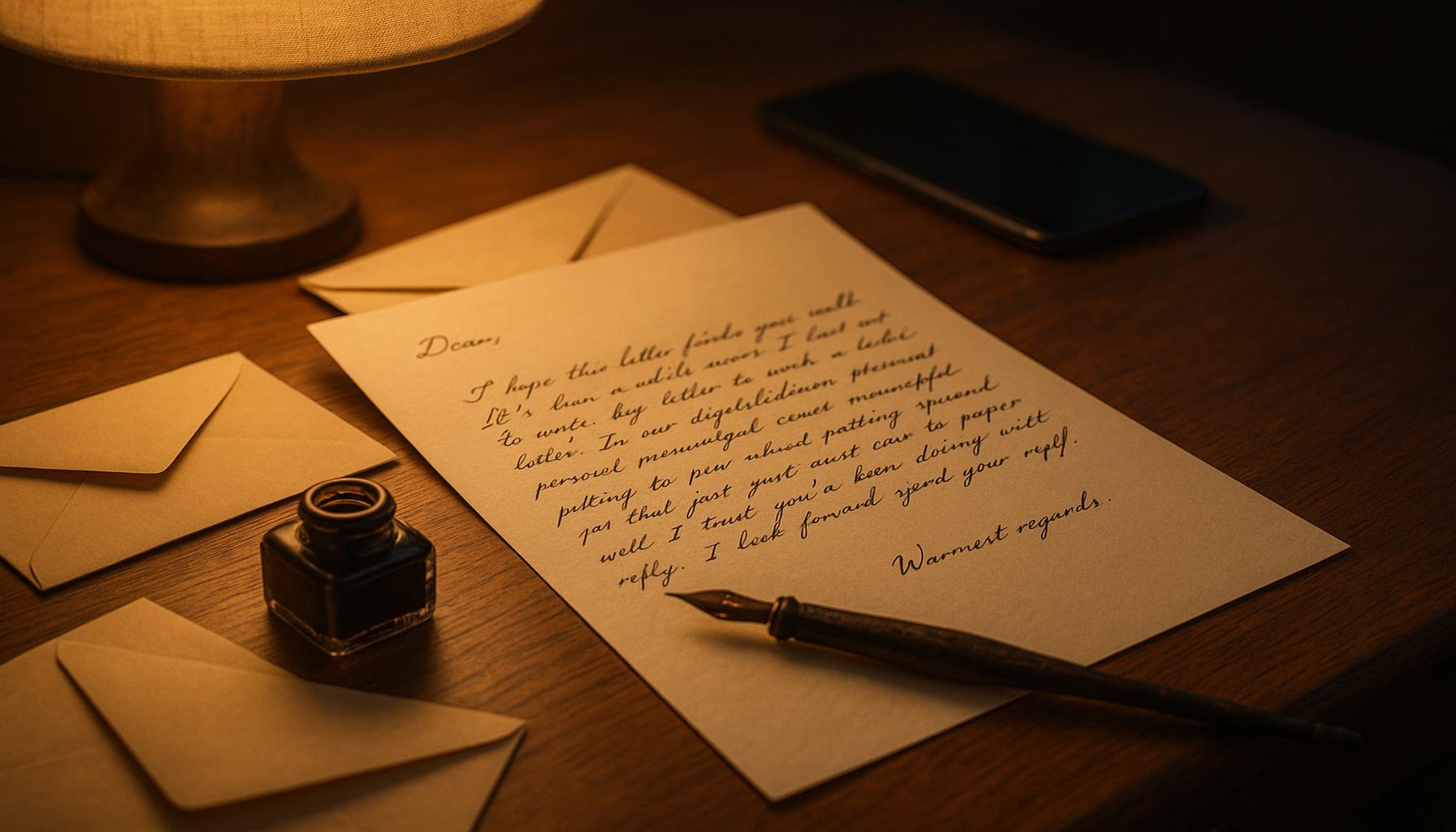
The Lost Art of Letter Writing
In a world dominated by instant messaging and social media, the art of letter writing has taken a backseat. However, this tangible form of communication offers a unique depth and intimacy that digital formats often lack. As we navigate an increasingly digital world, it’s worth exploring why letter writing deserves a revival.
Our fast-paced, technology-driven lives have created a sense of immediacy that often overlooks the beauty of slower, more intentional forms of communication. The act of composing a letter involves a degree of thoughtfulness that a quick text or email cannot match. Each word is carefully chosen, and the entire process can serve as a moment of mindfulness, allowing the writer to reflect on their thoughts and feelings. This reflective quality can turn into a therapeutic exercise, much like journaling, where one pours out emotions and insights on paper.
Consider the following benefits of putting pen to paper:
- Personal Touch: A handwritten letter carries the sender’s energy and intent, creating a connection that a text cannot replicate. The unique handwriting styles, personalized stationery, and even the occasional smudge or tear can lend personality to the message. Imagine receiving a letter adorned with drawings, doodles, or other personal touches—it transforms the experience from simply reading words to feeling the sentiment behind them.
- Thoughtful Reflection: Writing letters encourages one to pause and articulate thoughts more carefully. In our digital age, quick replies often diminish the depth of conversation. In contrast, letter writing allows for deeper engagement, allowing the sender time to articulate feelings that might be misinterpreted in a text. A heartfelt letter can convey emotions like love, gratitude, or sorrow more poignantly than an emoji can.
- Memorable Keepsakes: Letters can be cherished keepsakes that can be revisited over the years. Whether it’s a letter from a loved one, a teacher’s note of encouragement, or a correspondence chronicling a distant friendship, these pieces of paper often carry memories that digital messages lack. They can be stored in scrapbooks, kept in wooden boxes, or even framed, serving as tangible reminders of relationships and moments that matter.
Recent studies show that people who engage in letter writing report feeling more connected to their emotions and the recipients. Engaging in this tactile process can help clarify emotions, allowing individuals to process their feelings at a deeper level. In a time when the rise of digital communication has led to fragmented conversations, it is truly essential to ask how we can reconnect meaningfully.
Interestingly, organizations and schools across the United States are beginning to acknowledge the importance of this form of communication. By incorporating letter writing into curricula, they are fostering a culture of empathy and deeper interpersonal relationships. Programs advocating for mental health are particularly drawn to letter writing as a tool for self-expression, demonstrating its value in developing emotional intelligence and communication skills.
As we delve further into this timeless tradition, we’ll uncover not only its significance but also practical tips to reintroduce letter writing into our modern lives. For instance, setting aside time each week to write to a friend or family member, creating a designated space for writing, or participating in community programs that promote letter exchanges can all serve to infuse this age-old practice back into daily life. There’s much to rediscover amidst the clicks and pings of our busy lives, encouraging us to reconnect not just with each other but also with ourselves through the simple act of writing a letter.
DISCOVER MORE: Click here to explore innovative gardening ideas
The Emotional Impact of Letter Writing
The revival of letter writing is not merely a nostalgic return to simpler times; it also highlights the profound emotional connections that handwritten correspondence can foster. In an era where text messages and social media updates often feel transactional, letters create a sacred space for reflection and intimacy. Each letter is a window into the sender’s soul, revealing thoughts and emotions that can be lost in the noise of digital communication.
Many might wonder, how do we rekindle the warmth that comes from putting pen to paper? One noteworthy aspect of letter writing is its role in emotional expression. The physical act of writing can invite vulnerability, allowing individuals to share their true feelings freely. Consider how difficult it is to articulate complex emotions in a brief message. In contrast, a letter encourages a more comprehensive exploration of thoughts, whether it’s the joy of a recent accomplishment or the heartache of a loss. Studies have shown that writing about emotions, particularly in a structured manner like a letter, can lead to improved mental health outcomes, with participants reporting reductions in anxiety and depression symptoms.
Moreover, letter writing nurtures interpersonal bonds in unique ways. It is not just about the message itself, but about the act of reaching out and creating a moment of connection. For instance, sending a congratulatory letter after a friend achieves a significant milestone can deepen the relationship, reinforcing feelings of support and appreciation. Relationships fostered through letter writing often transcend the boundaries of time and distance, reminding us of the importance of nurturing connections with those who matter most, regardless of geographic separation.
As we rethink our modes of communication, several compelling reasons to embrace letter writing emerge:
- Shared Experiences: Letter writing encourages shared experiences between the sender and recipient, allowing both parties to reflect on mutual memories or future hopes. It becomes a way to not just communicate but to engage in a collaborative dialogue that strengthens the relationship.
- Mindfulness Practice: Engaging in the process of writing a letter encourages a sense of mindfulness. As the writer focuses on their thoughts and feelings, they become present in the moment, creating an opportunity for self-exploration and attention to detail that’s often missing in rapid-fire digital communication.
- Encouragement of Creativity: Each letter is a canvas for creativity, allowing the sender to express themselves artistically. Whether through illustrations, unique stationery, or even the way the letter is folded and sealed, there’s a personal touch that makes each correspondence one-of-a-kind.
In addition to the emotional and relational benefits, letters have a tangible quality that digital messages simply cannot match. They can be saved, re-read, and cherished over time. The physical nature of a letter is a reminder of the time and effort that went into crafting something meaningful. In our quest for connection, embracing letter writing can provide a bridge back to authenticity, fostering relationships built on a foundation of genuine emotion and thoughtfulness.
| Advantages | Details |
|---|---|
| Enhanced Emotional Connection | Letter writing fosters a deeper emotional bond, as hand-written letters convey sincerity and thoughtfulness. |
| Improved Communication Skills | Engaging in letter writing hones one’s ability to express thoughts clearly and effectively, promoting better overall communication. |
| Creativity Encouragement | The act of crafting a letter can spark creativity, allowing the writer to explore different formats and styles. |
| Tangible Connection | Receiving a physical letter creates a unique, tangible experience that digital communication cannot replicate. |
| Mindfulness Practice | Letter writing encourages mindfulness, allowing both the writer and reader to engage meaningfully with their thoughts and emotions. |
In a world where digital communication dominates, the traditional art of letter writing presents an opportunity to rediscover meaningful connections. This process not only enhances emotional intimacy but also provides a creative outlet for self-expression. Beyond mere correspondence, letters serve as cherished keepsakes and stimulate lasting memories. By embracing letter writing, individuals can foster deeper relationships, bridging the gap created by rapid technological advancements. As one picks up a pen and paper, they embark on a journey that celebrates the beauty of human connection, urging them to explore the potential of personal correspondence in today’s digital age.
DISCOVER MORE: Click here to dive into the evolution of musical styles
The Lasting Legacy of Handwritten Letters
While letter writing may seem like a throwback to a bygone era, its potential reaches far beyond mere sentimental value, serving as a profound medium for enrichment in our personal lives. In an age where instant gratification reigns supreme, letters carry with them a sense of anticipation and intentionality that is often underestimated. Each letter is a promise – a promise to connect, to share, and to be present in the life of another.
One of the most intriguing aspects of letter writing is its role in intergenerational communication. Letters create a tangible legacy for future generations, offering them a glimpse into the emotions, hopes, and thoughts of those who came before them. As families navigate the complexities of contemporary life, letters can serve as a means of forging connections across generations. By writing letters to grandchildren or even great-grandchildren, individuals can share wisdom, stories, and life lessons in a way that digital messages cannot replicate. This preservation of history allows families to maintain their identity and values, bridging the gap between past and present.
The power of letter writing also finds its place in self-discovery and personal growth. Many individuals have turned to letter writing as a therapeutic tool, using it as a means of processing emotions or navigating challenging situations. For instance, writing letters to oneself—whether to celebrate achievements or to cope with loss—serves as a healthy method for reflection. Journals filled with letters can become valuable repositories of personal development, allowing for deeper introspection and self-awareness. Psychologists often endorse this practice for its ability to foster resilience and emotional release.
Moreover, the act of sending letters can foster a sense of community engagement. Numerous organizations have sprung up across the United States aiming to revive this medium of communication. Projects such as “Letters Against Isolation” and “Operation Gratitude” emphasize the importance of reaching out to those who may feel disconnected from society, such as seniors in nursing homes or active-duty military members. These initiatives remind us of the powerful impact that a handwritten note can make, serving as a beacon of hope and connection in their lives. In these instances, letter writing elevates mere words to acts of kindness, showcasing our collective responsibility to care for one another.
As we delve deeper into the transformative aspects of letter writing, it’s essential to consider the educational advantages it fosters among younger generations. In an era marked by declining literacy rates and growing reliance on technology, incorporating letter writing into curricula can enhance critical thinking and communication skills. Students engaging in letter writing learn to articulate their thoughts in structured ways while developing empathy and understanding through the act of writing to peers or community members. This method invites young individuals to embrace vulnerability, each letter composed a testament to their evolving identity.
Ultimately, as we continue to navigate this digitally dominated landscape, the revival of letter writing provides a refreshing juxtaposition, urging us to slow down and cultivate personal relationships through tactile experiences. The act of crafting a letter embodies both creativity and authenticity, intertwining the emotional satisfaction of connection with the preservation of our shared humanity.
DIVE DEEPER: Click here to learn more
Reviving the Art of Letter Writing
In conclusion, the journey through the world of letter writing reveals its profound impact on our personal connections and emotional well-being. In a digital world that often prioritizes quick interactions over meaningful exchanges, handwritten letters stand out as a tangible expression of care and commitment. As this article has explored, letter writing not only enhances intergenerational communication by preserving family legacies but also serves as a nurturing ground for self-discovery and personal growth. The act of writing can facilitate emotional processing and reflection, creating a sanctuary for one’s thoughts and feelings.
The community engagement sparked by letter writing campaigns emphasizes the importance of reaching out to those in need, reinforcing the notion that even the simplest acts of kindness can transform lives. As the younger generations grapple with a digitally dominated existence, integrating letter writing into their educational experiences can foster critical communication skills while encouraging empathy and understanding. By embracing vulnerability and creativity, they can develop a deeper sense of self and connection with others.
As we collectively rediscover this timeless practice, let us remember that each letter crafted has the power to bridge distances, rekindle relationships, and cultivate a sense of belonging in a fragmented world. By inviting the art of letter writing back into our lives, we take a meaningful step toward nurturing our humanity and reinforcing the enduring bonds that truly matter; the handwritten word holds a legacy waiting to be rewritten in every envelope that arrives at our doorsteps.