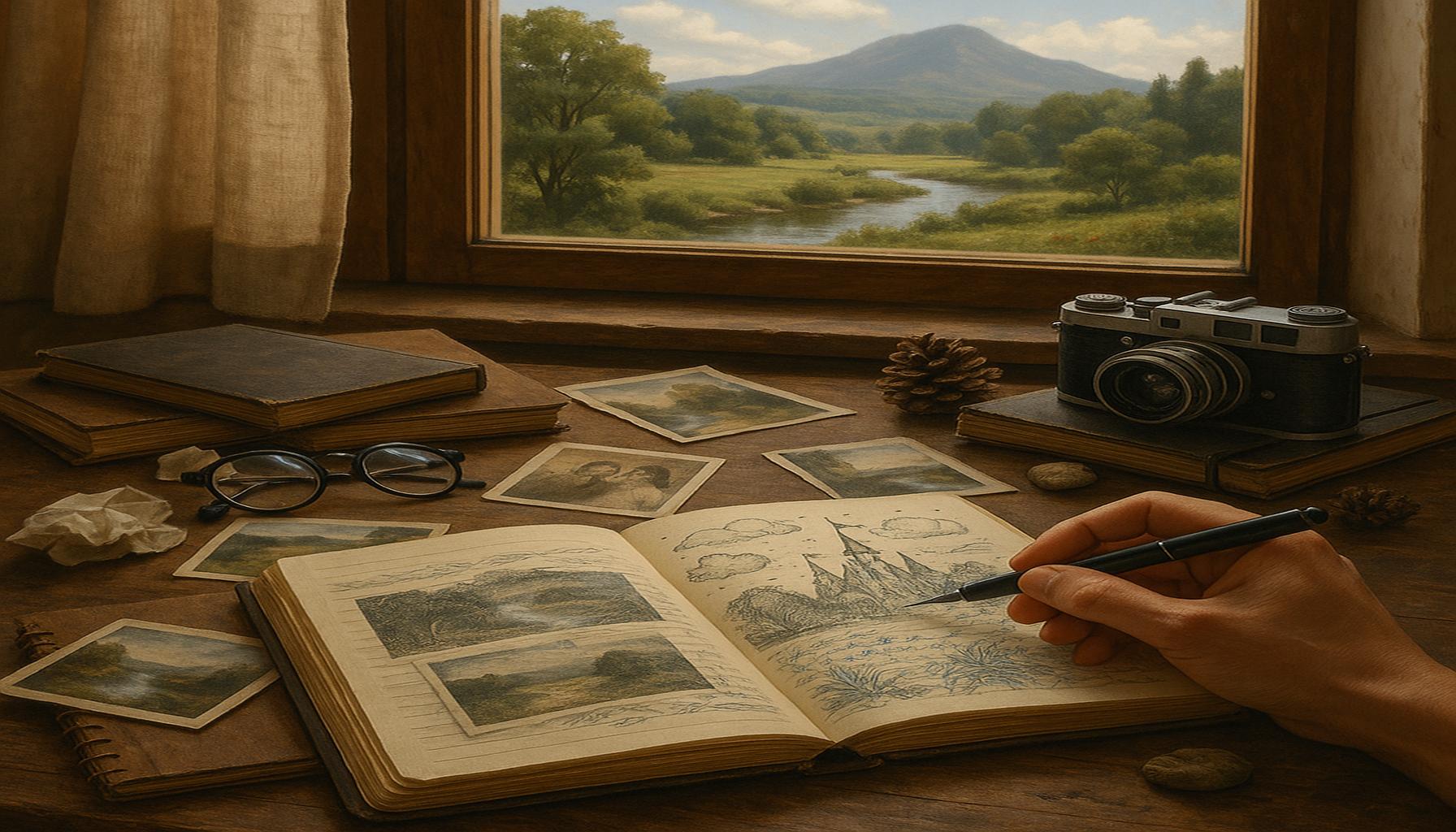
Writing and Nature: Using the Environment to Inspire Creativity

Unlocking the Creative Potential of the Great Outdoors
Nature has long served as a boundless source of inspiration for writers around the planet. The serene beauty of quiet meadows, coupled with the chaotic sounds of nature, offers a wealth of muses that can breathe life into stories. So, how exactly can the multitude of elements found in nature ignite creativity and enhance the writing process?
- Natural Beauty: The vibrant colors of a sunset, with hues ranging from warm oranges to deep purples, can evoke powerful emotions. For instance, a writer may find inspiration to craft a poignant scene based around the fleeting beauty of nature. Similarly, the intricate details of a blooming wildflower can stimulate a sense of wonder, encouraging narratives that explore themes of growth and transformation.
- Sensory Experiences: The symphony of sounds, such as the rustling of leaves in the wind or the rhythmic crashing of waves against the shore, can create rich, vivid imagery. These auditory experiences might stir memories or imagination, leading a writer to explore soundscapes in their prose or poetry, painting a more immersive world for their readers.
- Physical Settings: Writing outdoors, whether in a bustling park or a quiet forest, offers a break from routine that can dismantle creative blocks. The change of environment often leads to fresh perspectives, allowing writers to interact with their surroundings differently. An author seated on a park bench may observe children playing, sparking ideas for character development or plot twists.
The ever-changing seasons contribute additional layers to this creative tapestry. The lush greens of summer give way to the fiery colors of autumn, prompting new scenarios and characters to develop. Writers all over the United States, from the majestic peaks of the Rocky Mountains to the calming shores of the Great Lakes, encounter unique experiences and stories rooted in their local ecosystems. For example, a hiker in the Pacific Northwest may draw upon the essence of misty forests and rich biodiversity, while an author in the arid deserts of Arizona could find inspiration in the stark beauty of cacti and vast skies.
Exploring these natural connections is not merely an aesthetic exercise; it can lead to profound insights and artistic revelations. As we engage with our environments, we begin to notice how different ecosystems influence narratives and themes. Writers can weave elements of nature into their work to evoke emotion, create atmosphere, and connect with readers on a deeper level.
In this exploration, we will delve into a variety of ways the environment can enhance creativity. From immersing oneself in different natural settings to understanding the unique narratives that ecosystems present, prepare to discover how to tap into nature’s boundless power for your writing endeavors!
DISCOVER MORE: Click here to dive deeper
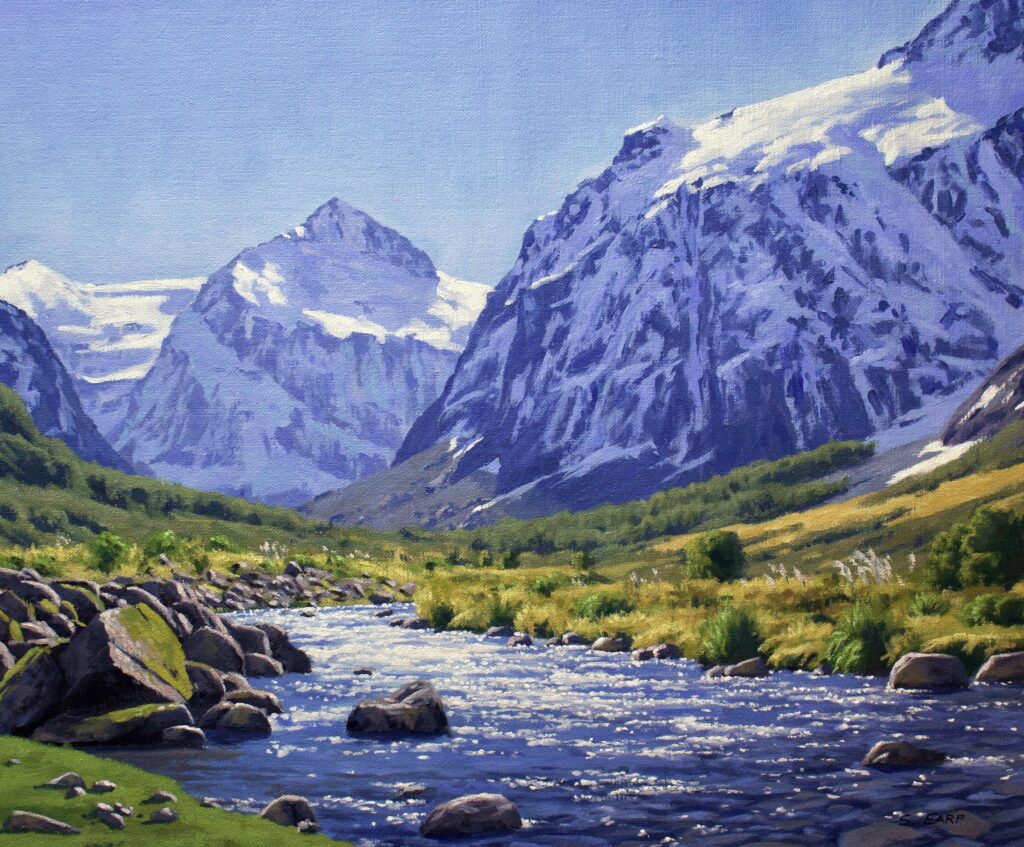
Drawing Inspiration from Natural Landscapes
During the creative process, writers often find themselves at a crossroads where inspiration meets the blank page. Engaging with nature can provide a pivotal shift in perspective that unlocks a floodgate of creativity. When a writer steps into a natural landscape, they engage not just with the visual aesthetics, but with a multi-dimensional experience that includes all senses. This sensory engagement can lead to the inception of original ideas and, ultimately, compelling narratives.
One of the most significant aspects of nature-inspired writing is the ability to observe and absorb the intricacies of the environment. Consider the following elements that nature offers, each capable of nurturing creativity:
- Unique Flora and Fauna: The diverse plant life and animal behavior within a given ecosystem can provide rich material for budding narratives. A story grounded in the lush forests of the Pacific Northwest may be infused with characters drawn from local wildlife, exploring themes of survival or coexistence in a richly woven tapestry. Conversely, a writer inspired by the migratory patterns of birds may weave an intricate story of freedom and change.
- Weather Patterns: The influence of weather can drastically change a narrative’s tone and direction. A writer facing an impending storm may feel a wave of urgency, prompting them to explore themes of tension or transformation. Similarly, a serene, sun-drenched afternoon can invoke feelings of euphoria, allowing for the exploration of joyful, uplifting stories. Each weather change brings with it an array of emotions to draw upon.
- Cultural Mythology: Different regions of the United States possess unique myths and legends tied deeply to their natural environments. Writers can draw from local narratives involving the mountains, rivers, or forests. For example, the folklore surrounding the Appalachian Mountains can provide a backdrop for stories rich in history and cultural heritage, creating layers of meaning that resonate with audiences on a personal level.
The interplay between writing and nature can further extend into the presence of environmental challenges. Climate change, pollution, and habitat destruction not only impact our ecosystems but can also provoke emotional responses that writers can channel into their work. By tackling these pressing issues within their narratives, authors can inspire awareness and evoke a call to action among their readers.
Recognizing nature’s influence on creativity is essential for writers looking to engage in profound storytelling. Not only does the environment provide a fertile ground for imaginative ideas, but it also holds the capacity to foster deep emotional connections through the shared human experience with the natural world. As we further explore ways to harness these connections, we unveil the hidden treasures that lay within the interwoven fibers of writing and nature.
| Advantage | Description |
|---|---|
| Enhanced Creativity | Being in nature often leads to a boost in creative thinking, as the natural surroundings stimulate the brain. |
| Improved Focus | Writing outdoors minimizes distractions, allowing a writer to engage deeply with their ideas. |
| Emotional Connection | Nature can inspire emotional resonance in writing, adding depth to narratives and poetry. |
| Health Benefits | Exposure to natural environments can reduce stress and enhance overall well-being, beneficial for sustained writing sessions. |
When writers immerse themselves in nature, they often discover a profound sense of tranquility that fosters not just creativity but also enhanced focus. The gentle rustling of leaves and the melodious chirping of birds can create a backdrop that helps the mind wander freely, igniting new ideas and perspectives. The emotional connection established with nature can translate into more impactful storytelling, as experiences with the environment often evoke deep feelings and relatable moments within narratives. Moreover, studies suggest that outdoor experiences lead to better health, reducing stress which ultimately aids the creative process. Emphasizing these elements can encourage writers to explore their surroundings, actively engaging with nature as a muse for their craft.
DISCOVER MORE: Click here to learn about innovative lamp ideas
Embracing Nature’s Rhythms in the Writing Process
In addition to providing a visual and sensory feast, nature operates on its own rhythm, an aspect that can deeply enhance the writing process. The distinction between urban noises and the calming sounds of a forest invites writers to align themselves with the natural world, offering a profound backdrop for introspection and creativity. The gentle rustle of leaves or the melodic chirping of birds can serve as a tranquil soundtrack, allowing ideas to flow freely and unencumbered.
Moreover, the cyclical nature of seasons provides writers with an engaging framework to explore themes of change, growth, and renewal. Spring brings about a sense of hope and rebirth, perfect for narratives centered around new adventures or fresh beginnings. On the other hand, the somber hues of autumn can evoke reflections on loss, the passage of time, and the beauty of letting go. Such seasonal shifts can mirror character arcs and plot developments, enriching the depth of storytelling.
Adventure writers, for instance, may find invaluable inspiration in the wilderness surrounding them. Local hiking trails, national parks, or remote beaches can serve not only as physical locations for their plots but also as metaphoric journeys. A trek through the rugged terrains of Yellowstone might inspire themes of exploration and resilience, while the tranquil shores of the Outer Banks could symbolize peace and introspection.
The Importance of Mindfulness in Nature
Incorporating mindfulness practices, such as walking meditations or nature journaling, can also foster a deeper connection between the writer and their environment. These practices encourage the writer to focus on the present moment, to observe, and to truly listen to the surroundings. For example, a writer who takes the time to sit quietly beside a bubbling brook may notice the way sunlight dances on the water’s surface or the variation in the sounds of water flow, elevating their descriptive ability and enhancing the poetic elements within their work.
Research suggests that spending time in nature not only boosts creativity but also improves overall mental well-being. A study published in the journal, Psychological Science, showed that individuals who engaged in nature-based activities exhibited significantly higher levels of creativity compared to those who remained in urban settings. Engaging with the outdoors has been linked to reduced levels of stress, increased mood, and heightened cognitive functions—all essential for a productive writing session.
Engaging the Environment through Fiction
Writers may also turn to environmental issues as a powerful narrative device. Crafting stories around themes such as conservation, climate activism, or habitat preservation not only promotes awareness but also reflects contemporary societal concerns that resonate with readers on a deeper level. Authors like Barbara Kingsolver, in her novel “Flight Behavior,” interlace narratives with ecological themes, exploring the connections between human experiences and the natural world. Such stories inspire readers to reflect on their own relationship with nature and can ignite conversations on critical issues that affect our planet.
Ultimately, intertwining the art of writing with the beauty and complexity of nature can yield transformative results. By engaging with their surroundings, writers can draw upon a wealth of inspiration that feeds into creativity and innovation, pushing their storytelling to new heights.
DISCOVER: Click here for inspiring craft ideas
Bridging Creativity and Nature
In conclusion, the relationship between writing and nature is not just inspirational; it is transformative. Writers who immerse themselves in the natural world find a wellspring of creativity that nurtures their craft. The harmonious sounds of rustling leaves and the vibrant palette of seasonal changes serve as essential elements that enhance both the writing process and the emotional depth of storytelling.
Moreover, mindfulness practices promote a deeper connection with the environment, allowing writers to engage fully with their surroundings. This attention to detail often results in richer, more evocative prose that resonates with readers on multiple levels. Incorporating ecological themes within narratives not only captivates audiences but also raises awareness about crucial environmental issues, driving important conversations forward.
As writers venture into parks, along trails, or even their backyards, they should embrace the unique stories that the environment has to offer. Each tree, river, and season holds lessons that can shape characters, plotlines, and themes. Thus, for those seeking to fuel their creativity, there is no substitute for venturing outdoors and letting the rhythms and beauty of nature play their part in the writing journey.
So, grab your notebook, take a breath of fresh air, and allow nature to guide your creative spirit. The world outside your window could be the key to unlocking not only compelling narratives but also a profound appreciation for the intricate dance between life and art.