
The Art of Telling Stories: Techniques to Capture and Maintain the Reader’s Attention
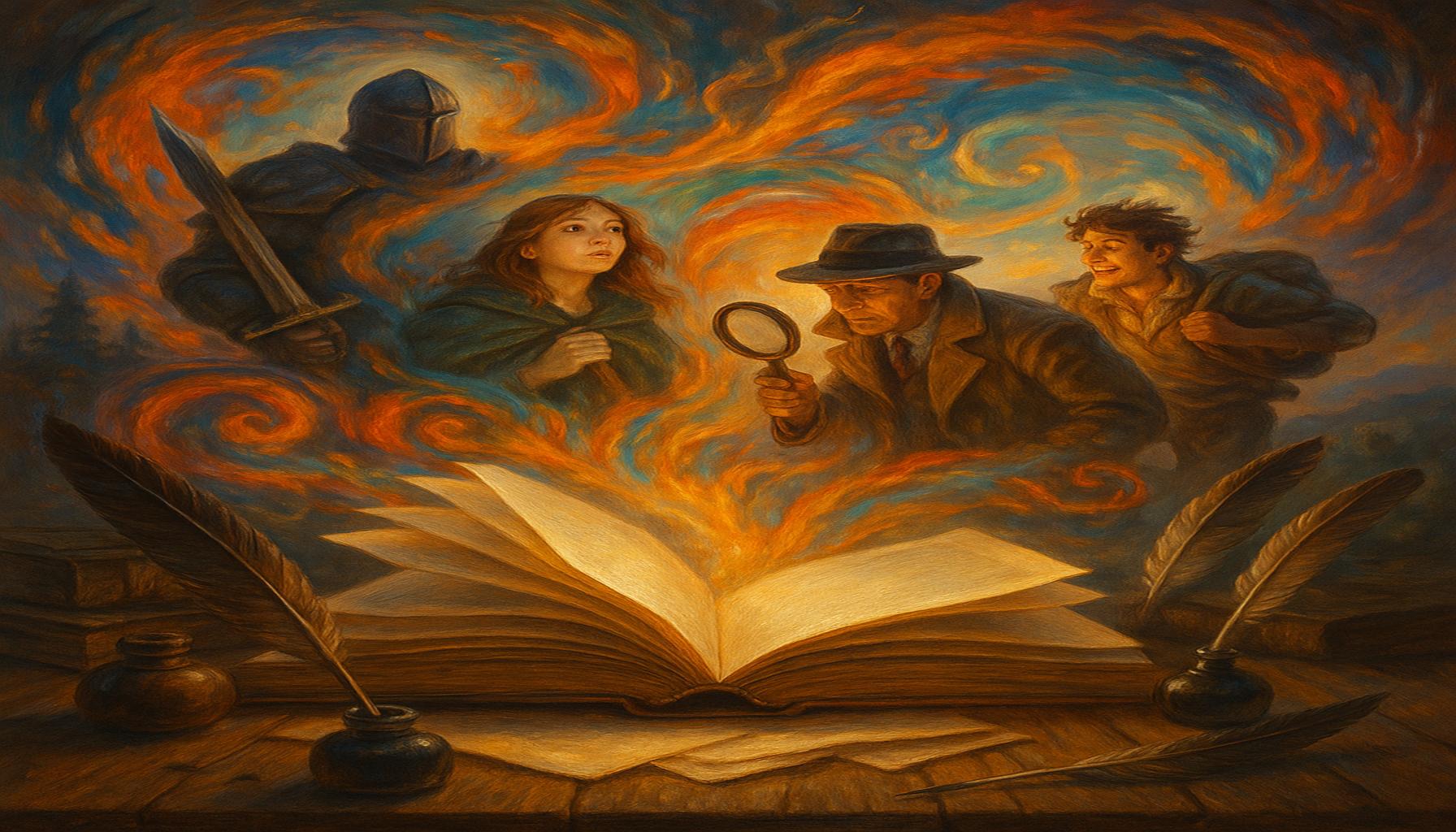
The Power of Storytelling in Engaging Readers
Throughout history, the art of storytelling has played a crucial role in human communication, weaving threads of culture, emotion, and human experience together. The skillful use of storytelling techniques allows writers to create compelling narratives that can evoke emotions and provoke thought. In today’s fast-paced world, where attention spans are fleeting and distractions are abundant, mastering these techniques becomes even more vital for anyone looking to convey a message effectively. This article delves into the strategies that can elevate storytelling and keep readers engaged from beginning to end.
Compelling Characters
At the heart of every gripping narrative are compelling characters. Readers are more likely to connect with characters who display complexity, vulnerability, and growth. Take, for example, the character of Jay Gatsby in Fitzgerald’s “The Great Gatsby.” Gatsby’s obsessive pursuit of his dream is not just intriguing; it resonates with the timeless theme of hope and disillusionment. By crafting characters that reflect genuine human emotions and motivations, writers can draw readers into their stories, making them invested in the characters’ fates.
Vivid Descriptions
Another key element in storytelling is the use of vivid descriptions. Descriptive language that appeals to the senses can create immersive experiences for readers. In Harper Lee’s “To Kill a Mockingbird,” the portrayal of the small town of Maycomb and its inhabitants allows readers to vividly picture the setting and feel the social dynamics at play. Effective descriptions transport the audience, allowing them to see, hear, and sometimes even feel the world the author has created, making the story more impactful and memorable.
Engaging Conflicts
No story is complete without engaging conflicts. Conflict not only drives the plot forward but also challenges characters to confront their fears, desires, and values. Whether it’s a personal struggle, a societal issue, or an epic battle, the tension created through conflict is what keeps readers on the edge of their seats. Think about the internal conflict faced by Elizabeth Bennet in Jane Austen’s “Pride and Prejudice.” Her struggle with prejudice and misjudgment leads to growth and understanding, embodying the journey that makes storytelling resonate.
By utilizing these techniques, writers can create narratives that evoke emotion and provoke thought. Understanding how to craft engaging stories is crucial for writers across various fields—whether you’re drafting a novel, penning a blog post, or developing a marketing campaign. The ability to weave together relatable characters, vivid imagery, and compelling conflicts not only captivates your audience but also leaves a lasting impression that resonates long after the story ends. As you explore these elements, consider how you can incorporate them into your writing to elevate your storytelling skills to new heights.

DISCOVER MORE: Click here to dive deeper into digital crafts
Crafting Unforgettable Beginnings
Captivating readers from the very first sentence is an essential part of storytelling. A well-crafted beginning not only sets the tone for the narrative but also hooks the audience’s interest immediately. Take the opening lines of George Orwell’s “1984,” for instance: “It was a bright cold day in April, and the clocks were striking thirteen.” This peculiar sentence stirs curiosity, prompting readers to question the unfamiliar world Orwell presents. To craft unforgettable beginnings that draw readers in, consider employing the following techniques:
- Start with a Provocative Question: Engaging the reader’s mind directly with a question can provoke thought and curiosity, drawing them into the narrative.
- Use Vivid Imagery: Descriptive language that evokes strong visuals will quickly immerse readers in the story’s setting, allowing them to envision the world being created.
- Introduce a Conflict: Presenting a conflict or tension early on can encourage readers to keep turning pages to find out what happens next.
- Establish a Unique Voice: A distinctive narrative voice or style can resonate with readers, inviting them to engage with the text on a more personal level.
The Relevance of Pacing
Another vital component of keeping readers engaged is the concept of pacing. The rhythm of a story can dictate the emotional experience of the reader, guiding their anticipation and investment in the narrative. Varying sentence lengths, for example, can create tension. Short, abrupt sentences might reflect urgency or chaos, while longer, flowing sentences can convey a sense of tranquility or introspection. Writers must be strategic about pacing to maintain a dynamic flow that keeps the audience intrigued. This involves balancing action and exposition, ensuring readers are given enough information without feeling overwhelmed.
Creating Suspense
Thrillers and mysteries often excel in the art of creating suspense—an essential tool for keeping readers glued to the page. Techniques such as cliffhangers, foreshadowing, and red herrings can lead readers through a maze of intrigue, compelling them to think critically and guess the outcome. One classic example is Agatha Christie’s Hercule Poirot mysteries, where subtle hints are scattered throughout the narrative, engaging readers in a challenge to unravel the mystery alongside the protagonist. By strategically placing clues and delivering revelations at just the right moment, authors can build suspense effectively.
Ultimately, mastering the art of storytelling requires a blend of these techniques to create a captivating reading experience. By focusing on unforgettable beginnings, maintaining appropriate pacing, and mastering suspense, writers can draw their audience in and keep them engaged throughout the narrative. As we delve deeper into the nuances of storytelling, remember that each technique can be interwoven seamlessly to craft a cohesive and memorable story that resonates long after the final words are read.
| Techniques | Purpose |
|---|---|
| Engaging Introductions | Captures the reader’s interest right away, setting a captivating tone for the story. |
| Powerful Characters | Allows readers to connect emotionally, making the story more memorable and impactful. |
| Vivid Imagery | Enhances the sensory experience, enabling readers to visualize scenes and feel the emotions. |
| Tension and Conflict | Maintains suspense, encouraging readers to continue to find out what happens next. |
| Relatable Themes | Connects with diverse audiences, making the story relevant and reflective of real-life issues. |
Using these techniques is essential in the art of storytelling, as they help to engage the readers and sustain their attention throughout the narrative. Developing a story with powerful characters and vivid imagery creates a lasting impression, making the story resonate long after it is read. Furthermore, incorporating tension and conflict provides the necessary drama that keeps readers on the edge of their seats, eager to discover the outcome. Relatable themes also ensure that stories are not only entertaining but also contribute to the reader’s understanding of their own experiences, enriching their engagement and investment in the narrative. These techniques, when used effectively, form the foundation of memorable storytelling that captivates and captivates audiences.
DISCOVER MORE: Click here to find innovative solutions
Character Development: The Heart of the Story
As the backbone of any narrative, character development plays a critical role in capturing and maintaining readers’ attention. Well-rounded characters evoke empathy and investment from the audience, allowing them to relate to the struggles and triumphs depicted within the story. To create compelling characters, authors can employ the following techniques:
- Develop Flaws and Strengths: Characters are most relatable when they possess both flaws and strengths. This duality not only adds realism but also allows for internal and external conflicts that can drive the plot forward.
- Show Growth Over Time: Readers tend to stay engaged when they witness a character’s evolution throughout the story. Whether it’s overcoming personal struggles or learning important life lessons, character growth creates an emotional arc that resonates deeply.
- Use Backstory Wisely: A well-placed backstory can enhance a character’s motivations and actions. However, it’s essential to reveal this information gradually instead of dumping it all at once, maintaining intrigue and clarity.
Dialogue and Its Role in Engagement
Dialogue serves as a powerful tool in storytelling; it not only reveals character personality but also enhances the overall pace and engagement of the narrative. Effective dialogue can create tension, build relationships, and convey vital information without resorting to heavy exposition. Here are ways to craft engaging dialogue:
- Use Authentic Voice: Characters should have unique voices influenced by their backgrounds, experiences, and personalities. This differentiation keeps conversations engaging and helps the reader distinguish between characters.
- Incorporate Subtext: Often, what characters don’t say is as important as what they do say. Utilizing subtext adds depth to dialogue, creating layers of meaning that keep readers guessing about underlying motivations.
- Break Up Exposition: Instead of lengthy exposition blocks, let characters reveal information organically through conversation. This not only maintains pacing but also makes the details more compelling.
The Power of Themes and Symbolism
Underlying themes and symbols can enrich a narrative, providing valuable insight and prompting readers to engage on a more profound level. When woven thoughtfully into the storyline, these elements enhance the emotional weight of the story while prompting critical reflection. Here are some aspects to consider:
- Establish Clear Themes: Identify the central themes of your story early on. Whether it’s love, loss, or the struggle for identity, ensuring that these themes resonate throughout the narrative will keep readers engaged.
- Utilize Symbolism: Symbols can serve as visual representations of themes or character emotions. Consider what certain images or motifs might represent in your narrative, whether it’s a recurring object or a specific setting.
- Encourage Reader Interpretation: Leaving some aspects of themes and symbols open to interpretation invites readers to think critically and actively participate in the unfolding narrative, deepening their connection to the text.
In summary, utilizing strong character development, crafting engaging dialogue, and weaving in rich themes and symbolism are invaluable strategies for captivating readers. When integrated successfully, these aspects enhance the storytelling experience, keeping audiences engaged and eager to delve deeper into the world you’ve created. As authors refine their skills in these areas, they can more effectively invite readers into immersive narratives that linger long after the final page is turned.
DIVE DEEPER: Click here to discover the evolution of musical styles
Conclusion
In mastering the art of telling stories, authors unlock the potential to engage, inspire, and resonate with their audience. The effectiveness of a narrative lies not just in the plot, but in the intricate tapestry of character development, compelling dialogue, and rich themes that captivate readers from the first page to the last. By creating characters that are relatable and flawed, writers invite readers into a shared journey of growth and transformation, forging a deep emotional connection.
Furthermore, the skillful use of dialogue serves not only to enhance pacing but also to reveal the nuances of character relationships, allowing for tension to mount as the story unfolds. Incorporating themes and symbols adds layers of meaning, encouraging readers to engage more thoughtfully with the text, prompting them to draw connections between the fictional world and their own experiences.
As you delve into storytelling, consider how these techniques to capture and maintain reader’s attention can be tailored to your unique voice and style. By experimenting and honing these skills, you can create narratives that not only amuse but also provoke thought and evoke empathy. Ultimately, storytelling is an invitation—one that extends to every reader to connect, reflect, and imagine a world beyond their own. So, embrace these techniques, explore their depths, and let your stories resonate long after the final word has been read.