Art Therapy Techniques: How Artistic Practice Can Promote Emotional Healing and Personal Development
The Transformative Power of Art Therapy
Art therapy stands out as a unique and impactful approach within the mental health landscape. By utilizing artistic methods, individuals can tap into their creativity to navigate complex emotions that may otherwise remain unexpressed. This rich field offers a sanctuary for personal exploration and growth, bridging gaps between experience and expression, and enhancing emotional resilience.
In recent years, especially in the United States, the merits of art therapy have been increasingly acknowledged. Psychologists and mental health practitioners are recognizing its potential in addressing a range of issues, from anxiety and depression to trauma recovery. Here are some key techniques that form the foundation of art therapy:
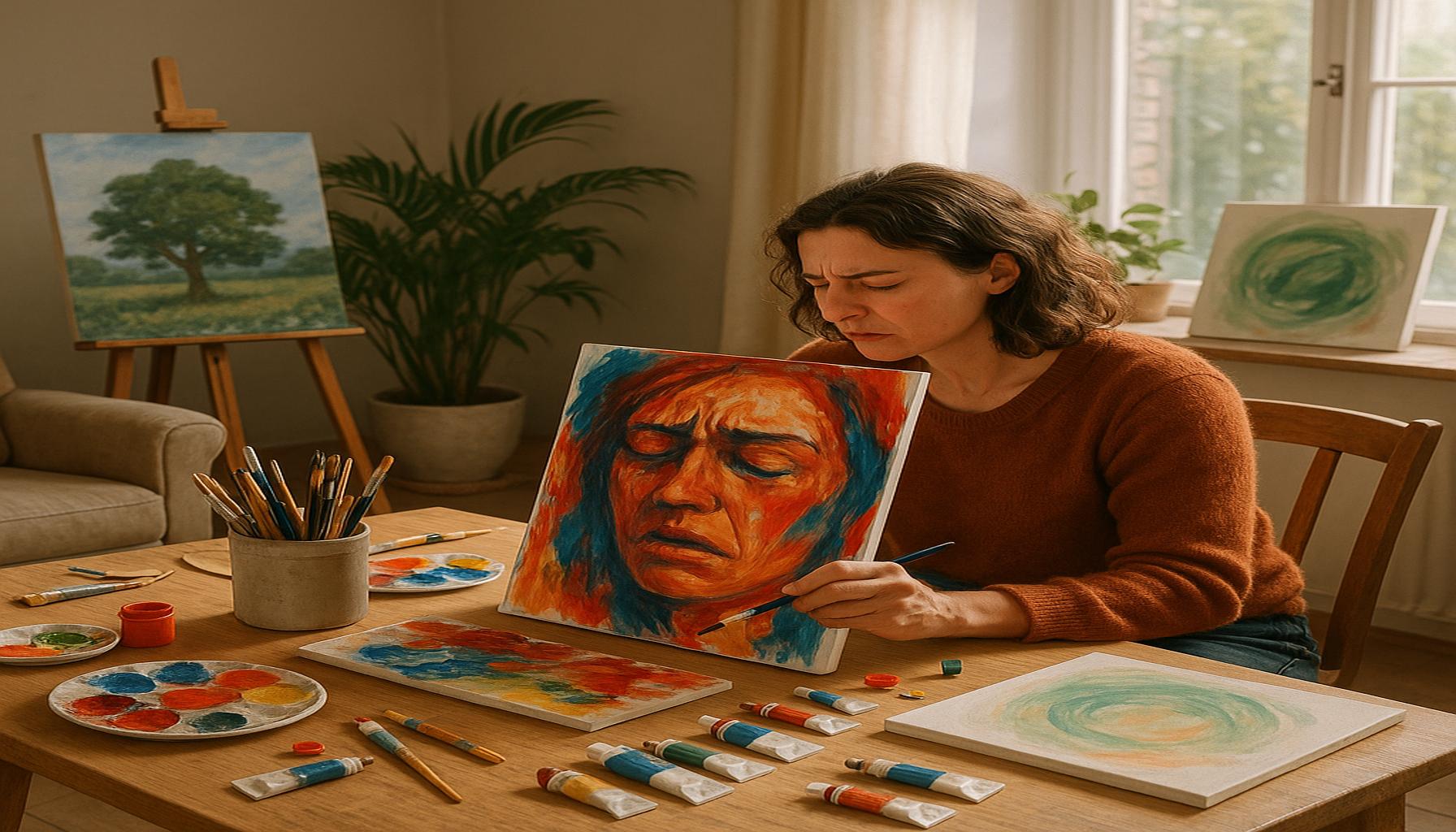
- Painting and Drawing: Through these expressive mediums, clients can visually manifest their inner thoughts and feelings. For instance, a person struggling with grief might create a piece that reflects their loss, allowing them to confront emotions they find difficult to articulate in words. This form of artistic expression serves as a visual narrative that can be profoundly healing.
- Music Therapy: Engaging with music—be it through playing instruments, songwriting, or simply listening—can significantly influence one’s emotional state. Studies have shown that music can lower anxiety levels and facilitate emotional release, making it a valuable tool in therapeutic settings. For instance, a therapist may use songs to evoke specific emotions in a client, encouraging them to explore those feelings further.
- Dance and Movement: This technique emphasizes the importance of physical expression in unlocking emotional barriers. Movement can serve as a natural outlet for feelings that cannot be verbalized. Participants in dance therapy often report feeling more connected to their bodies, which aids in the process of emotional healing.
- Creative Writing: Writing can provide a safe space for reflection and introspection. Individuals can engage in journaling, poetry, or storytelling as a way to process their experiences. For example, someone coping with stress might write about their daily challenges, allowing them to navigate their thoughts and emotions constructively.
The integration of these techniques in therapeutic settings not only nurtures emotional healing but also enhances self-awareness and promotes personal development. Participants often find that by engaging in these creative expressions, they can access deeper levels of understanding about themselves, facilitating significant breakthroughs in therapy.
As we explore the vast realm of art therapy further, we will uncover the profound ways these artistic forms foster healing and pave the way for transformative experiences. The impact of utilizing artistic expression in mental health contexts is profound, paving new avenues for recovery and self-discovery. Stay tuned for more insights into the life-changing potentials of art therapy, and how it can help individuals reclaim their narratives and cultivate resilience.
DISCOVER MORE: Click here to find out how
Unlocking Emotions Through Creative Expression
Art therapy techniques serve as essential conduits for emotional expression and personal development. By providing a framework through which individuals can channel their feelings and thoughts into tangible forms, art therapy not only fosters healing but also encourages self-discovery. The use of creativity in therapeutic settings—whether through painting, music, dance, or writing—allows individuals to bypass the often rigid structures of verbal communication, reaching a deeper understanding of their emotional states.
Research highlights that various art therapy techniques can significantly impact mental health outcomes. For instance, studies indicate that individuals who engage in artistic practices may experience a reduction in symptoms of anxiety and depression. This therapeutic art form encourages mindfulness and presence, which are crucial for emotional regulation and healing. As such, let us delve deeper into some prominent techniques employed in art therapy:
- Collage Making: This technique allows clients to create visual narratives using a mix of images and materials that resonate with their emotions. By selecting and arranging images from magazines, photographs, and other sources, participants can explore their identities and life experiences creatively. This process often unveils insights that promote self-acceptance and empowerment.
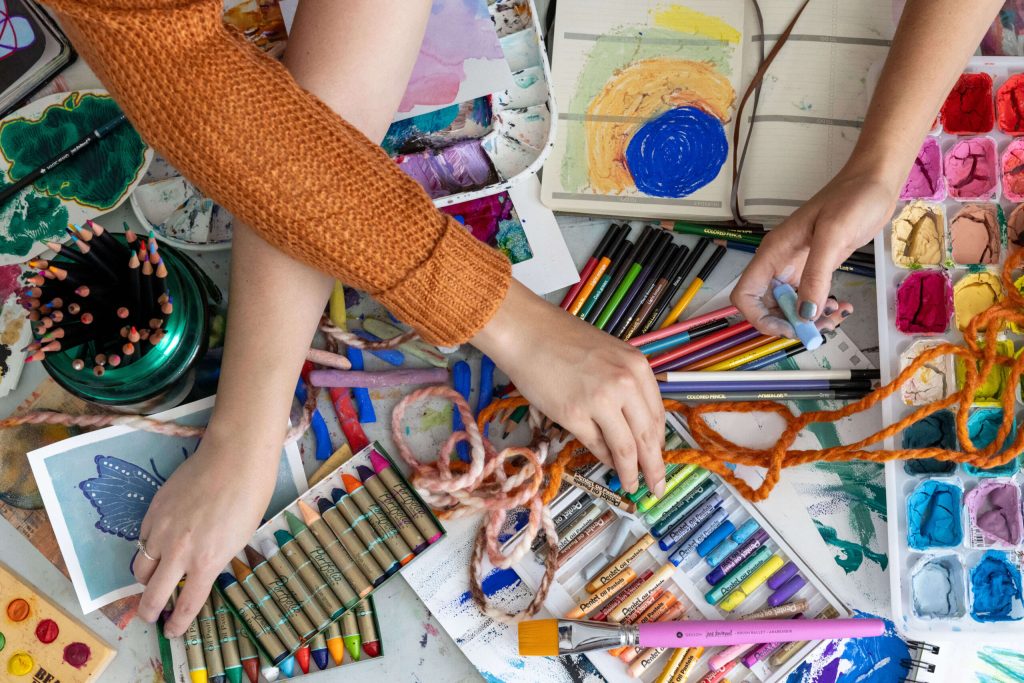
- Color and Texture Exploration: Engaging with varied colors and textures can evoke specific emotions. Some therapists encourage clients to express their feelings through color choice and texture application on canvas. For example, vibrant colors may symbolize joy, while darker hues could represent sadness. This tactile process helps individuals articulate feelings that are complex and multifaceted.
- Art Journaling: Combining writing with artwork, art journaling provides a dual outlet for self-exploration. Individuals may write alongside images to capture their thoughts and emotions on paper. This technique promotes a reflective practice that cultivates emotional clarity, enhancing overall mental well-being.
- Group Art Therapy: Group settings foster a sense of community and shared experience. Participants can collaborate on projects, share their artistic expressions, and provide support for one another. This collective approach not only enhances social skills but also nurtures feelings of belonging, which are vital for emotional health.
As these techniques reveal, art therapy transcends conventional talk therapy by offering unique pathways for expression and connection. The act of creating art can serve as a powerful catalyst for individuals to process challenging emotions while developing resilience and self-awareness.
The efficacy of art therapy in promoting emotional healing and personal development is gaining recognition across various sectors, including schools, rehabilitation centers, and community organizations. By integrating art into therapeutic practices, a wider audience can benefit from the profound advantages of engaging in creative expression.
As we continue to explore the multifaceted world of art therapy, we will uncover the extensive benefits it provides and how these artistic practices can lead to transformative experiences for individuals seeking healing and growth.
| Category | Key Features/Characteristics |
|---|---|
| Creative Expression | Art allows individuals to express emotions non-verbally, offering a landscape for self-exploration. |
| Stress Relief | Engaging in art can significantly reduce anxiety and promote a sense of calmness, aiding in emotional stability. |
| Empowerment | Art therapy empowers clients to take control of their healing by making choices and expressing ideas visibly. |
| Enhanced Self-Awareness | Through artistic practice, individuals gain insight into their thoughts and feelings, fostering personal growth. |
Art therapy techniques leverage the dynamic interplay between creativity and well-being, marking a vital pathway towards emotional healing. The act of creating art serves as a meditative process, enabling participants to channel complex feelings into tangible forms. This approach not only fosters greater understanding of personal emotional landscapes but also reinforces mental resilience. Individuals engaging in art therapy often discover unexpected aspects of their personality, laying the groundwork for profound personal development.Furthermore, these artistic practices can be tailored to different needs, making them accessible and applicable in various contexts, from individual sessions to community workshops. As practitioners witness the transformative power of guided creativity, many are motivated to delve deeper into the impact of art on psychological well-being. Whether through painting, sculpting, or digital art, each medium offers unique therapeutic benefits that inspire individuals to heal and grow continuously.
DISCOVER MORE: Click here to delve into the world of crafting and self-expression</p
The Healing Power of Art Therapy Techniques
Art therapy is a dynamic field that intertwines creativity with psychological well-being. Beyond the above-mentioned techniques, numerous additional practices are utilized to facilitate emotional healing and support personal development. These techniques are tailored to meet individual needs, enhancing the therapeutic experience in specialized and transformative ways.
A particularly impactful technique is mask-making. This involves creating a physical representation of one’s identity through the construction of a mask. Participants explore the roles they play in life and how these roles affect their self-perception. By creating masks, individuals can express emotions they may feel unable to show publicly, leading to breakthroughs in self-acceptance and alleviation from social anxiety. The physical act of crafting a mask itself can be liberating, providing an external projection of internal struggles.
Another compelling method is guided imagery and visualization, which uses art to foster mental health and emotional stability. Clients are guided through imaging peaceful or inspiring scenes, allowing their subconscious to surface emotional narratives. This visualization can be paired with art, enabling individuals to create representations of their inner landscapes. This not only serves as a release but also allows participants to construct their visions for personal growth. Engaging with visualized goals through art opens doors to optimism and motivation.
For example, one might visualize their path to recovery from trauma and translate that vision into a vibrant mural. A study published in the Journal of the American Art Therapy Association noted that integrating visualization with artistic creation resulted in accelerated healing in trauma survivors, showcasing the dual impact of imagery and tactile creation.
Dance/movement therapy, another innovative approach, utilizes movement as a form of expression that transcends verbal limitations. Participants embody their feelings through various forms of dance, which promotes emotional release and can reflect experiences that words cannot encapsulate. This somatic approach can help individuals reconnect with their bodies, often leading to breakthroughs in body image and self-esteem. As individuals move intentionally, they can release pent-up emotions, finding a new rhythm within themselves and, therefore, a deeper connection to their emotional states.
Moreover, music therapy is gaining traction as a complementary art therapy technique. The act of creating, playing, or listening to music allows individuals to explore their feelings through sound. Whether they choose to write lyrics or compose melodies, the therapeutic process nurtures exploration of complex emotions in a safe space. Studies indicate that participants involved in music therapy often report lowered levels of stress and increased emotional expression, suggesting its powerful role in emotional healing.
Furthermore, employing digital art therapy—using technology to create art—caters to younger generations and those comfortable with tech. This innovative approach enables individuals to engage with art through various digital platforms, making art more accessible and appealing. Studies show that this method holds potential for enhancing emotional expression, particularly among adolescents who may feel more inclined to explore their emotions through screens.
These diverse art therapy techniques demonstrate the vast potential for healing and personal development through creative expression. They highlight the adaptability of therapeutic art, catering to various emotional needs, and inviting individuals to deepen their understanding of themselves. As more mental health professionals integrate these art-based methods into practice, it becomes increasingly clear that the realm of artistic therapeutic pursuits offers rich opportunities for transformation and empowerment. Through art, individuals are not just healing; they are reinventing themselves, one stroke or note at a time.
DON’T MISS: Click here to discover the latest innovations
Conclusion: Embracing Art Therapy for Emotional Healing and Growth
In conclusion, the multitude of art therapy techniques explored throughout this article underscores the profound impact creativity can have on emotional healing and personal development. From mask-making that allows individuals to confront their identity to dance/movement therapy that liberates emotions through physical expression, each technique serves as a vital tool in the therapeutic arsenal. As mental health practitioners continue to embrace these artistic methods, we witness a burgeoning recognition of creative expression as an integral component of psychological well-being.
The findings from recent studies further affirm the effectiveness of these approaches; participants engaging in music therapy and digital art therapy demonstrate significant strides in emotional expression and mental stability. Such evidence signifies a shift in understanding that healing need not always adhere to traditional formats. Instead, artistic modalities invite individuals to explore their inner worlds, fostering a sense of agency and resilience through creation.
As societal perceptions continue to evolve, so too does the recognition of the arts as essential in addressing mental health challenges. Those interested in exploring their emotional landscapes can consider integrating these art therapy techniques into their lives or seeking professional guidance. In doing so, they embark on a unique journey towards self-discovery, renewal, and ultimately, empowerment through art. Embracing creativity is not just about healing; it’s about uncovering the rich tapestry of one’s identity and finding hope through artistic expression.