Digital Art and Its Possibilities: How Technology is Transforming Artistic Pursuits
The Fusion of Creativity and Technology
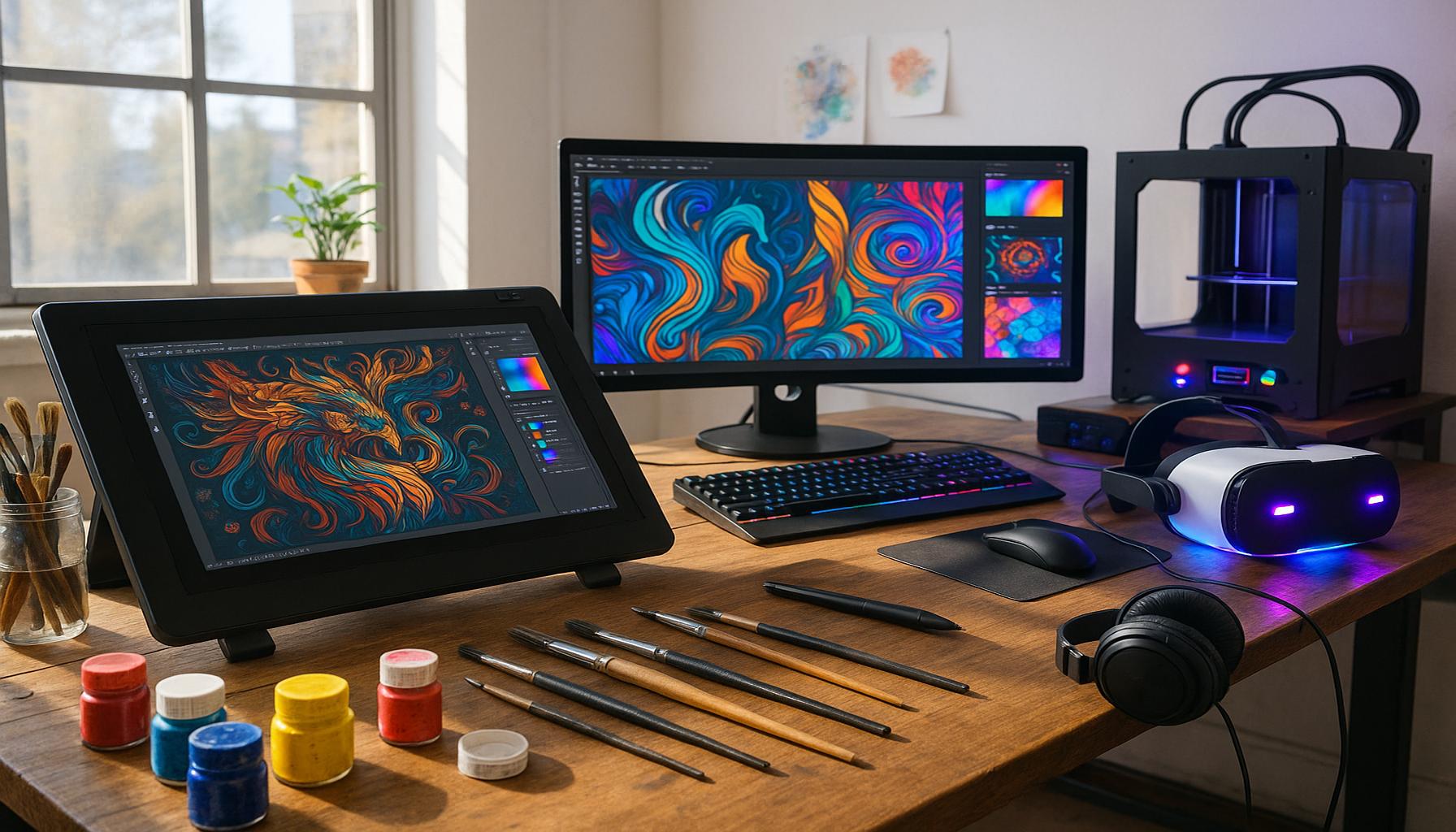
As technology continues to evolve, the world of digital art expands dramatically, offering artists new ways to express their creativity. The intersection of these two fields has led to groundbreaking innovations that not only enhance artistic expression but also challenge traditional definitions of what art can be. With each advancement, artists find themselves empowered to explore new dimensions of their work, blurring the lines between the physical and the digital realms.
Forms of Digital Art
Digital art encompasses a diverse array of formats, each with its own unique characteristics and applications. Among these are:
- Digital painting – This technique allows artists to use software like Adobe Photoshop or Corel Painter to replicate traditional painting styles, from oil to watercolor. Digital brushes can be customized, offering endless possibilities for texture and detail.
- 3D modeling – Programs such as Blender and Autodesk Maya enable artists to create detailed three-dimensional objects for video games, films, and virtual reality experiences. This technology not only transforms characters but also designs intricate environments that pull viewers into compelling story worlds.
- Graphic design – Utilizing tools like Canva and Adobe Illustrator, graphic designers craft visual content for both digital and print media. This versatile form includes logo design, advertisement graphics, and social media content, reflecting the dynamic needs of modern branding.
- Video art – Combining visual art with cinematic techniques, video artists create engaging narratives using moving images. Platforms like Vimeo and YouTube serve as vital showcases for such works, democratizing access to art.
Expanding Possibilities
The expansion of digital art has been fueled by a variety of innovative tools and technologies that artists now have at their fingertips. For instance, tablets and styluses have revolutionized how artists create, allowing them to replicate the feel of brush strokes with precision. Similarly, online platforms such as DeviantArt, Behance, and Instagram provide artists with global visibility, fostering community and collaboration across geographical boundaries.
Moreover, developments in blockchain technology have introduced the concept of NFTs (Non-Fungible Tokens), which allow for owning unique digital works. This has opened new revenue streams for artists, enabling them to sell their work directly to collectors while preserving authenticity and ownership rights.
Questions of Value and Authenticity
However, this transformation brings forth a host of questions surrounding the essence of art and how it is valued. What does it mean for an artist to create in a digital space? Does the digital medium dilute the authenticity of the artwork, or does it elevate it by making it more accessible? As these conversations unfold, they prompt deeper reflections on creativity’s ever-evolving landscape.
As we delve deeper into this topic, we will uncover the myriad ways in which technology is reshaping artistic expression and consider the implications of these changes for the future of creativity. The fusion of art and technology not only invites exploration but also challenges traditional narratives, ensuring that artists continue to push boundaries in innovative ways. Stay tuned as we embark on this fascinating journey into the world of digital art.
DISCOVER MORE: Click here to unlock the secrets of musical transformation
Innovative Tools and Techniques in Digital Art
Digital art’s evolution has given rise to a multitude of innovative tools and techniques that enhance creative expression and expand the boundaries of artistic possibilities. Artists today have access to a wide range of software, hardware, and platforms that not only streamline their workflow but also inspire new methods of creation. The integration of artificial intelligence and machine learning is one of the most exciting advancements, providing artists with collaborative tools that can generate new ideas, styles, or even complete artworks based on user input.
In addition to AI, the advent of augmented reality (AR) and virtual reality (VR) technologies has revolutionized the way art is experienced. Artists can now create immersive installations that engage viewers interactively, allowing them to step into immersive worlds of creativity. For example, artists like Refik Anadol utilize data-driven algorithms to generate real-time visual art that adapts to viewer interactions, blurring the line between spectator and participant in the artistic experience.
Key Digital Tools Empowering Artists
With a more profound understanding of how technology can improve their work, artists now have the following tools at their disposal:
- Graphic Tablets – These devices, such as Wacom or Huion, enable artists to draw directly onto a screen, providing precision comparable to traditional media.
- Digital Sculpting Software – Tools like ZBrush offer artists unparalleled flexibility to model and manipulate 3D shapes, allowing for intricate designs and quick iterations.
- Animation Software – Programs such as Adobe After Effects and Toon Boom facilitate the creation of dynamic visuals, bringing static art pieces to life through motion.
- Online Portfolio Websites – Platforms like ArtStation and Behance allow artists to showcase their work and connect with a global audience, enhancing visibility and networking opportunities.
These tools not only provide traditional artists with new mediums but also attract a new generation of digital natives who view art creation through the lens of technology. For instance, many up-and-coming artists are harnessing the capabilities of mobile apps like Procreate, which empowers them to create stunning works of art directly from their smartphones or tablets. The democratization of digital art thus enables diverse voices to contribute to the artistic landscape, enriching cultural dialogue.
The Role of Online Communities in Artistic Growth
Online platforms have become critical in fostering community among digital artists. Websites dedicated to critiques, tutorials, and exhibitions have become essential resources. Social media platforms like Instagram and TikTok not only serve as galleries for sharing art but also as tutorial spaces, where artists can educate others about their techniques. Through hashtags such as #DigitalArt and #ArtCommunity, artists can connect and challenge each other, sparking inspiration and collaboration that transcends geographical boundaries.
As we further explore the transformative impact of technology on artistic pursuits, it becomes clear that digital art is not merely a trend but a profound evolution in creativity. It invites us to question our perceptions of art and opens doors to infinite possibilities, all while reshaping the artistic landscape for generations to come. With each advancement, new questions arise, ensuring that the dialogue around digital art and its implications remains vibrant and thought-provoking.
As the digital landscape continues to evolve, artists are integrating new tools and mediums to redefine their craft. One of the most prominent advancements is the use of digital painting software, which offers features like layering and real-time editing that traditional mediums cannot match. For instance, programs such as Adobe Photoshop and Procreate revolutionize how artists express their creativity, enabling them to experiment without the constraints of physical materials. This shift not only enhances a creator’s ability to generate vibrant visuals but also facilitates the correction of mistakes with ease, allowing for more experimentation in the art-making process.
The rise of 3D modeling and printing technologies has expanded the possibilities for sculptors and installation artists. With software like Blender and sculpting techniques enabled by 3D printing, artists can create intricate sculptures that were once unimaginable. This technology allows artists to bring their digital concepts to physical form, merging reality and virtual creativity in compelling ways.
Moreover, artists are utilizing augmented reality (AR) and virtual reality (VR)</strong) to create immersive experiences that engage audiences in unprecedented ways. Through AR applications, viewers can see layers of artwork come to life in their own environment, while VR installations transport users into entirely manufactured worlds filled with captivating narratives. These interactive opportunities challenge the traditional definitions of art and engage audiences on a deeper emotional level.
In addition, the digital art community is leveraging social media platforms for exposure, allowing creators from diverse backgrounds to share their work globally. This democratization of art ensures that emerging talents can connect with wider audiences, bypassing traditional gatekeepers. By using hashtags and online galleries, artists can reach potential collectors and enthusiasts, changing the landscape of how art is promoted and sold.
As we delve further into this intricate interplay between technology and artistic expression, we discover how new techniques and tools are not just enhancing creativity but are also challenging conventional artistic boundaries, inviting everyone to be a part of this ongoing transformation.
| Advantage Category | Key Features |
|---|---|
| Enhanced Creativity | Digital tools enable extensive experimentation with color, texture, and form without the limitations of physical materials. |
| Global Exposure | Social media provides artists a platform to showcase their work to diverse audiences, potentially leading to collaborations and sales. |
DISCOVER: Click here to learn about the importance of collaboration
The Intersection of Digital Art and Emerging Technologies
As we delve deeper into the world of digital art, it’s evident that its symbiosis with emerging technologies continues to redefine artistic expression. Drones, 3D printing, and blockchain technology are just a few innovations that are expanding the canvas for artists, creating new realms of interactive and immersive experiences.
Drones: A New Perspective in Art Creation
The utilization of drones has not only changed the way artists capture images but also how they create art. Aerial photography and videography have opened new dimensions, allowing artists to explore and represent landscapes from an unprecedented vantage point. Artists like Daniel McCormick are known for using drones to create large-scale environmental art, where imagery is painted on the landscape itself and captured from above. This practice highlights a fusion of nature and technology, evoking conversations about conservation and the environment in their stunning aerial artworks.
3D Printing: Sculpting the Future
3D printing has emerged as a powerful tool for visual artists, providing the ability to turn digital models into tangible sculptures. Artists such as Joshua Harker have leveraged this technology to create intricate works that blend art with engineering and design. The capabilities of 3D printing extend beyond traditional forms; it allows for complex structures that would be nearly impossible to create by hand. This technology not only democratizes sculpture, making it accessible to a broader audience but also challenges preconceived notions of what art can be, merging creativity with advanced manufacturing techniques.
Blockchain and NFTs: Reimagining Art Ownership
Perhaps one of the most talked-about aspects of digital art is the rise of non-fungible tokens (NFTs) underpinned by blockchain technology. This innovation has provided artists a revolutionary way to sell, authenticate, and collect digital art. By minting an artwork as an NFT, artists can ensure its uniqueness and security, enabling collectors to own a verifiable digital asset. Artists such as Beeple have made headlines by selling digital art pieces for millions of dollars, spotlighting the potential of NFTs to reshape the economics of art. The ability to reach a global audience and the removal of traditional gatekeepers in the art world makes NFTs an exciting frontier for digital artists.
Environmental Impact and Responsiveness to Global Challenges
The integration of digital technologies in the artistic landscape also shines a light on pressing social issues, including climate change and societal movements. Digital artists have utilized their platforms to create pieces that comment on political unrest, environmental degradation, and social justice. Initiatives like Save the Art leverage digital illustrations and installations to raise awareness and funds for environmental conservation efforts. Through online campaigns, artists harness the power of digital engagement to encourage activism, making art a vehicle for social change.
As technology continues to evolve, the horizons for digital art will only expand further, providing artists with tools, platforms, and audiences that reshape the way art is created and consumed. The interplay between creativity and technology is paving the way for future generations of artists to experiment, innovate, and express themselves in ways previously unimagined.
DISCOVER MORE: Click here for innovative DIY solutions
Conclusion: Embracing the Future of Art
The dynamic landscape of digital art exemplifies the transformative power of technology within artistic pursuits. As we have explored, innovations such as drones, 3D printing, and blockchain technologies not only expand the toolkit of artists but also encourage new dialogues around creativity, ownership, and social responsibility. These advancements have created unique opportunities for artists to push boundaries, engage audiences in immersive experiences, and address pressing global issues through their work.
Moreover, the rise of non-fungible tokens (NFTs) illustrates a significant shift in how digital art is perceived and valued. By enabling artists to ensure the authenticity and uniqueness of their creations, NFTs have laid the groundwork for a new economic structure in the art world. This not only empowers artists but also helps democratize access to art for a broader audience, fostering a more inclusive artistic community.
As the intersection of technology and creativity evolves, future artists will undoubtedly find innovative ways to express their visions, embrace diverse mediums, and tackle contemporary challenges. Viewer engagement will shift as audiences seek more interactive and participatory experiences, redefining the role of the spectator in the art world. Consequently, it is essential for both artists and collectors alike to stay abreast of these changes, as the realm of digital art continues to expand and inspire.
In essence, the possibilities offered by digital art are limitless, inviting us all to explore this brave new world of creative expression and technological integration. The journey ahead promises to be a captivating exploration of human imagination, collaboration, and the enduring power of art.