Exploring Different Forms of Art: From Painting to Sculpture and Their Creative Benefits
The Significance of Artistic Expression
Art has been a cornerstone of human expression for centuries, encapsulating our thoughts, emotions, and cultures. From the vibrant brushes of painting to the intricate forms of sculpture, each form of art offers unique pathways for creativity and exploration. In the United States, art plays an essential role in our identity, continuously influencing various facets of life, including education, community development, and personal well-being.
The Diverse Forms of Art
When we talk about different forms of art, we can mention:
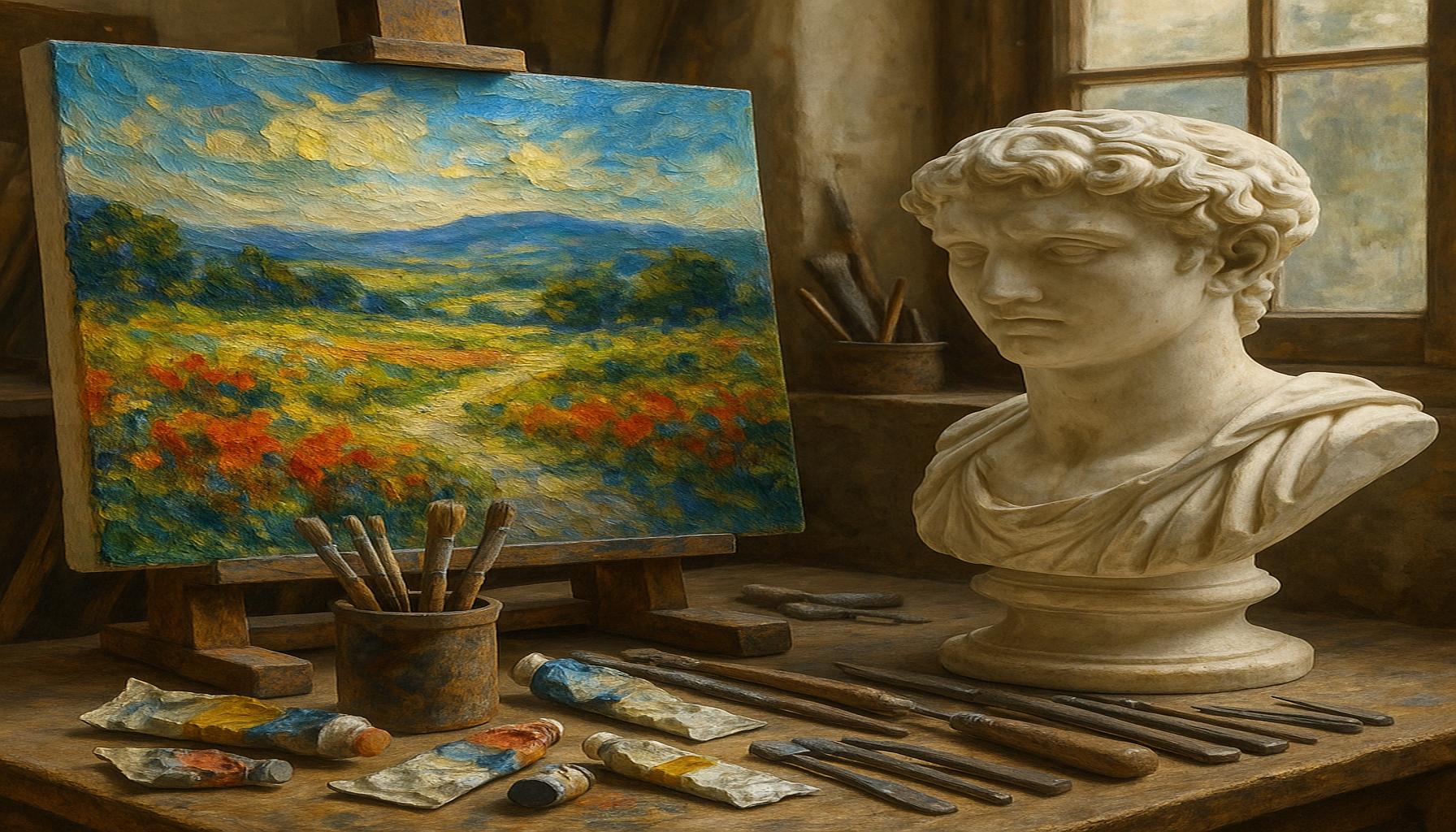
- Painting: Oil, watercolor, and acrylic techniques have been used by celebrated artists such as Vincent van Gogh and Georgia O’Keeffe. Each medium has its distinct characteristics; for example, oil paint allows for richer textures, while watercolor offers a delicate translucence.
- Sculpture: Clay, metal, and stone creations have given rise to iconic works like Michelangelo’s David and contemporary installations like those by Jeff Koons. Sculptures capture three-dimensional beauty, often conveying complex themes in a tangible form.
- Photography: Capturing moments in time, photography has evolved from black-and-white images to digital photography. Photographers like Ansel Adams and Annie Leibovitz have transformed this medium into powerful narratives that reflect social issues, personal stories, and cultural shifts.
- Digital Art: Blending technology with creativity, this form includes everything from digital painting to graphic design. With the rise of social media, artists can now share their work with global audiences instantaneously, fostering a new wave of artistic collaboration.
- Performance Art: Expressing ideas through action, performance art challenges traditional boundaries and engages the audience directly. Artists like Marina Abramović have pushed the limits of this genre, provoking thoughtful discussions about human experience and interaction.
Why Explore Art?
Investigating these forms of art can provide numerous benefits, such as:
- Enhancing mental well-being: Engaging in artistic activities can reduce stress and anxiety. Studies have shown that creating art can promote relaxation and improve overall mood.
- Fostering imagination: Art encourages people to think creatively, break from conventional patterns, and explore new ideas. This imaginative process can enhance problem-solving skills across various areas of life.
- Encouraging self-expression: Art serves as a voice for individuals, allowing them to articulate their thoughts and feelings in unique ways. This expression can lead to greater self-awareness and personal growth.
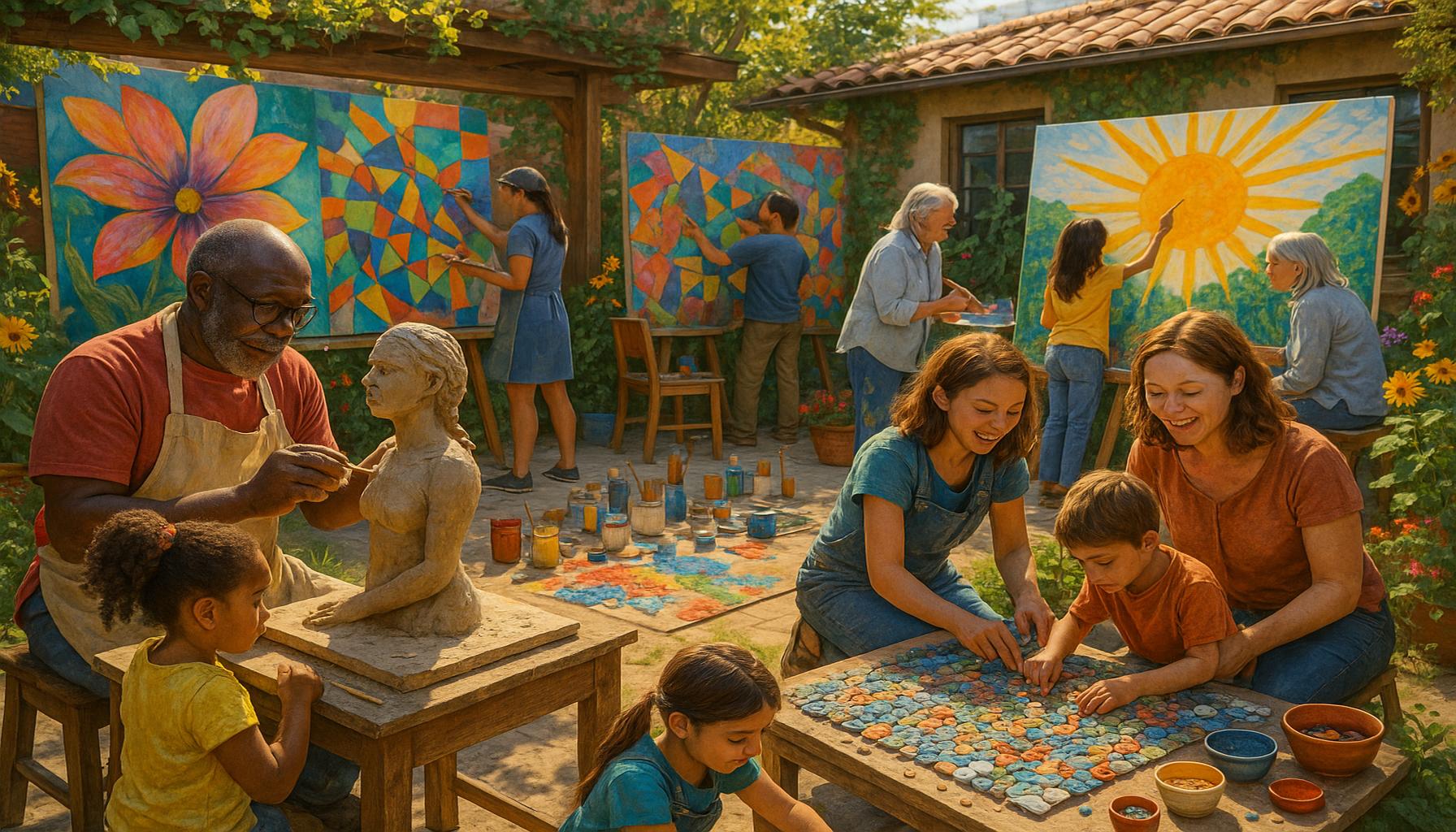
- Building community connections: Art has a powerful ability to unite people. Community projects, such as murals or public installations, often enable collaboration and foster a sense of belonging among residents.
With such a rich tapestry of creative opportunities, understanding how these art forms interact and the benefits they bring is crucial for anyone looking to deepen their appreciation of art. Through gallery visits, workshops, or simply by exploring local art fairs, individuals can immerse themselves in this vibrant landscape of artistic endeavors and witness their profound impact on individual and societal growth. Embrace the journey into the art world, where each brushstroke and each sculpted form invites deeper contemplation and connection to our shared human experience.
DIVE DEEPER: Click here to discover innovative transformations
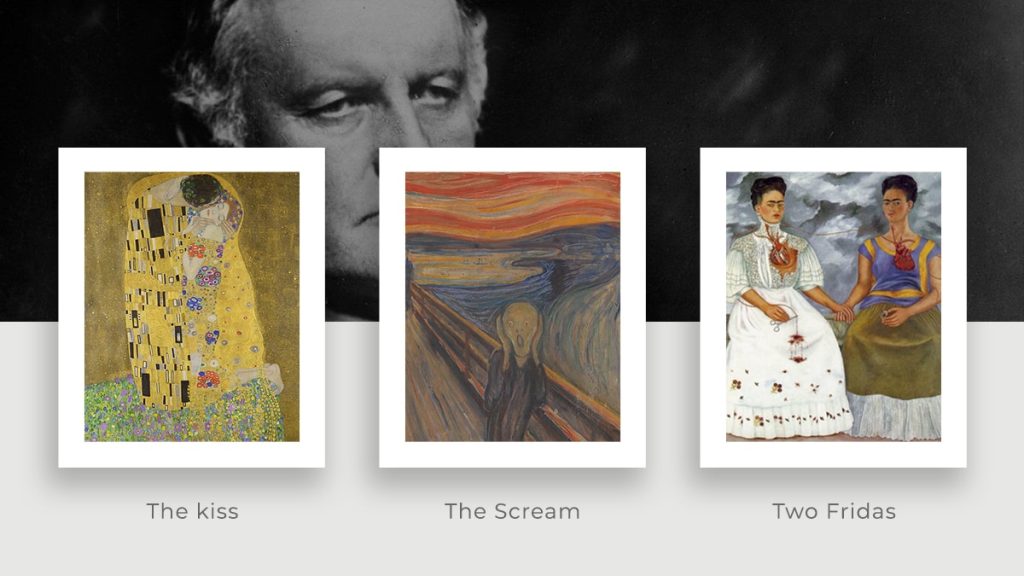
The Artistic Journey: A Closer Look at Painting
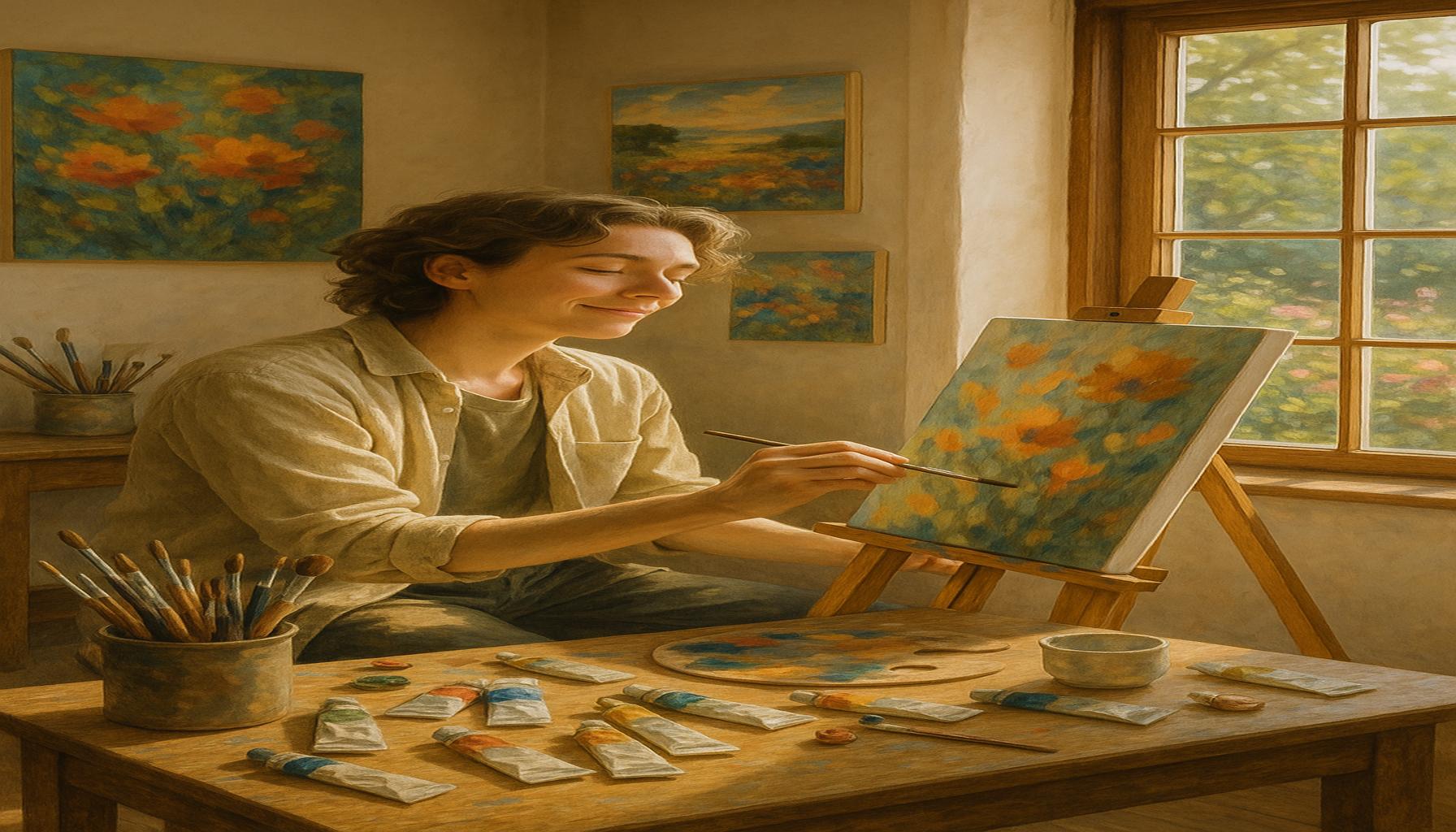
As one of the oldest forms of artistic expression, painting serves as a powerful medium through which artists convey emotions, stories, and concepts. It has evolved through centuries, reflecting societal changes while elevating creative practices. Techniques such as oil, watercolor, and acrylic allow painters to express a spectrum of emotions, illustrating everything from subtle landscapes to explosive abstract compositions. Iconic works like Van Gogh’s “Starry Night” not only capture the viewer’s eye but also invite intimate reflection on the human experience through vibrant color and dynamic strokes.
In recent years, art therapy has gained traction, highlighting the psychological benefits of painting. Engaging in this form of art provides an outlet for emotions that words may fail to express. Studies indicate that individuals who participate in painting are often better able to articulate their feelings and improve their emotional well-being. Participants in these therapeutic sessions report reduced levels of anxiety and an enhanced sense of self-identity.
The Sculpture Experience: Turning Ideas into Tangible Forms
Sculpture, on the other hand, offers a different dimension of artistic expression. Working with materials such as clay, metal, and stone, sculptors can create pieces that invite physical interaction. This three-dimensionality allows for exploration of form, texture, and balance, as seen in masterpieces like Michelangelo’s “Pietà.” The tactile nature of sculpture often transforms the observer’s experience from a mere visual appreciation to a more intimate encounter with the artwork.
The creative process involved in sculpture can also hold therapeutic benefits. Much like painting, sculpting can serve as a means of personal expression, allowing artists to work through emotions and concepts in a physical way. Participating in hands-on artistic endeavors often leads to improved mental clarity, focus, and emotional release. Through activities like clay modeling or stone carving, individuals report feelings of accomplishment and a newfound sense of self-worth.
Common Traits Across Art Forms
While painting and sculpture are distinct in their characteristics, both art forms share fundamental benefits that resonate with individuals across various backgrounds and ages. These benefits include:
- Enhanced Creative Skills: Both painting and sculpting stimulate creative thinking, encouraging individuals to innovate and explore new ideas beyond typical frameworks.
- Increased Mindfulness: Engaging in art fosters a meditative state, allowing artists to immerse themselves fully in the present moment, cultivating an awareness that can positively impact overall mental health.
- Community Engagement: Artistic practices often lead to connections with others, whether through community workshops or collaborative projects, reinforcing social bonds and a sense of belonging.
As we delve deeper into the significance of different artistic forms, it becomes evident that the act of creation—whether through the strokes of a brush or the contours of a sculpture—embodies a medium through which one can navigate the complexities of human experience. Embracing these avenues of artistic exploration can enrich one’s life, sparking personal growth and a greater appreciation for the intricacies of art and its collective impact on society.
Exploring Different Forms of Art: From Painting to Sculpture and Their Creative Benefits
The fascination with art extends beyond mere aesthetic appeal; it branches into the profound effects it has on the human experience. Engaging with various forms of art, such as painting and sculpture, opens pathways to creativity that are as diverse as the mediums themselves. While painting allows for the exploration of color, technique, and emotion on a two-dimensional canvas, sculpture invites us to interact with three-dimensional forms, transforming space and engaging with our physical surroundings.
One of the most striking benefits of engaging in these art forms is their capability to enhance cognitive skills. For instance, painting not only serves as an outlet for self-expression but also promotes critical thinking through the choice of colors and composition. It requires artists to make decisions that can lead to innovative solutions—an exercise that translates to improved problem-solving abilities in daily life.
On the other hand, sculpture demands a unique set of skills involving spatial awareness and tactile exploration. Working with materials like clay, stone, or metal challenges artists to think spatially and understand the relationship between form and structure. This engagement often leads to increased motor skills and can boost one’s capacity for collaboration when creating large installations or public art.
Moreover, both forms of art contribute significantly to emotional well-being. The process of creation can be meditative, providing a therapeutic outlet for stress relief and emotional processing. As we explore these avenues, we discover not only the beauty of artistic expressions but also the substantial benefits that come from immersing ourselves in the world of art.
| Category | Creative Benefits |
|---|---|
| Painting | Enhances cognitive skills through color selection and composition. |
| Sculpture | Develops motor skills and spatial awareness through material manipulation. |
| Emotional Therapeutics | Acts as a meditative process providing stress relief. |
Both painting and sculpture not only serve to express creativity but also play crucial roles in enhancing various life skills, cultivating emotional health, and pushing the boundaries of our imaginative capacities.
DON’T MISS: Click here to uncover unique lamp ideas!
The Emotional Spectrum: The Power of Photography
In the realm of artistic expression, photography holds a unique place. As both a technical skill and an art form, photography offers the ability to capture fleeting moments in time, allowing artists to tell stories through the lens of a camera. From stunning landscapes to candid portraits, photographers merge technology with artistic vision to create powerful narratives. Iconic photographers like Ansel Adams, known for his breathtaking black-and-white images of American landscapes, have shown how photography can evoke deep emotional responses while emphasizing the beauty of nature.
Beyond its role in documentation, photography can also be a form of personal exploration. The practice encourages individuals to view their surroundings with a new perspective, fostering a deeper connection to their environment. Research indicates that engaging in photography can significantly enhance one’s mindfulness, as it requires a focus on the present moment. Photographers often find joy and therapeutic relief in framing a scene or capturing a fleeting emotion, contributing positively to their mental health.
The Dynamics of Digital Art: Innovative Expressions
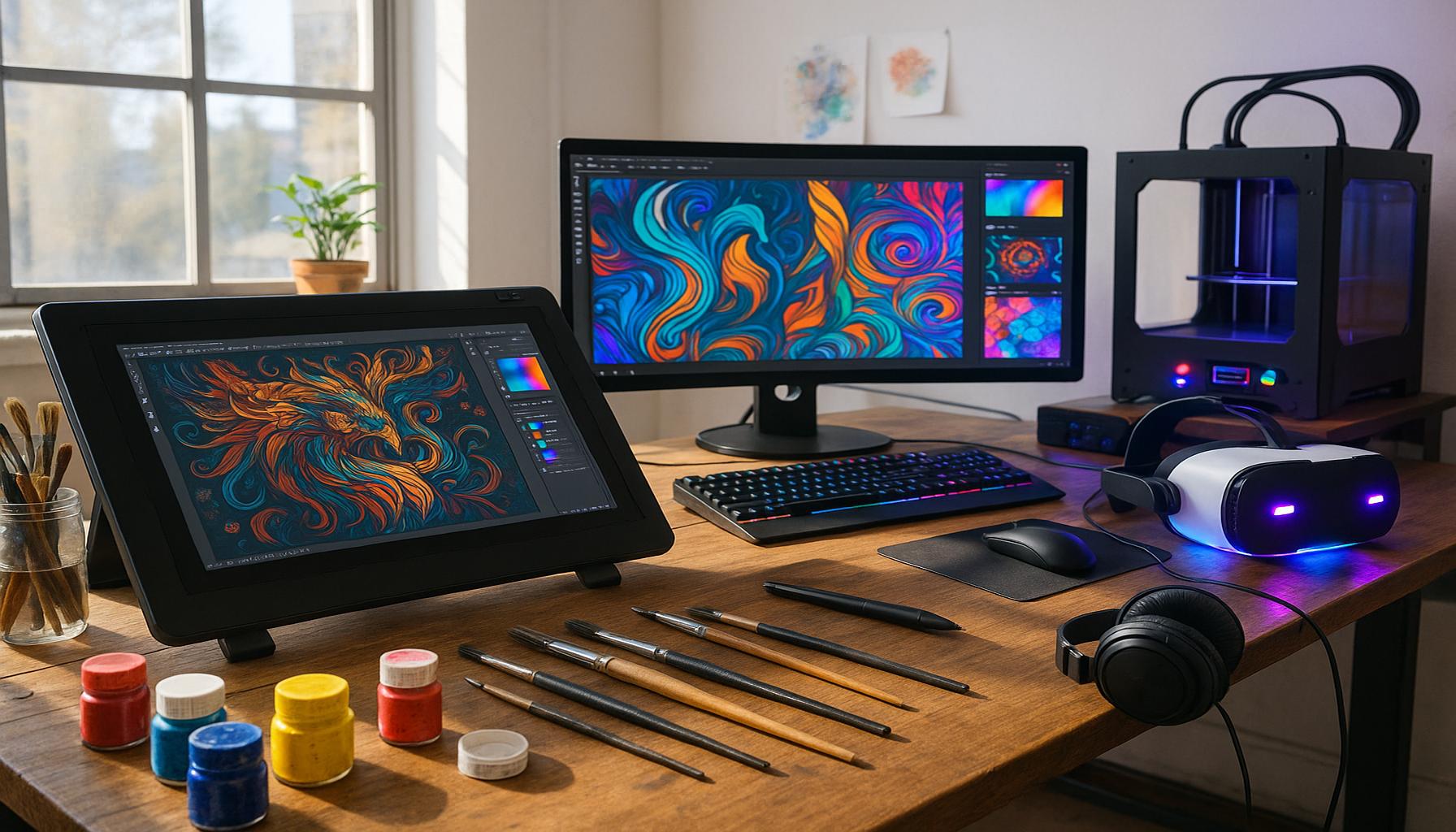
As technology evolves, so does the world of art. Digital art encompasses a wide range of creative expressions, from graphic design to digital painting and beyond. This contemporary art form allows artists to manipulate images and create works that blend traditional techniques with modern technology. Platforms like Adobe Photoshop and Procreate have revolutionized how art is created and shared, making it more accessible to aspiring artists.
The impact of digital art on creativity extends beyond just visual appeal; it also nurtures the skills of adaptability and innovation. Artists can experiment with various styles and techniques, providing opportunities for fresh ideas to emerge. Moreover, digital art offers a platform for collaboration, with artists widely sharing their creations across social media, leading to a global dialogue about artistic practices. This interconnectedness fosters community and encourages individuals to explore their distinctive styles.
Art as a Connection: The Role of Performance Art
Performance art introduces a temporal and communal aspect to art that adds a dynamic layer to the artistic landscape. Unlike static forms, performance art thrives in the moment, inviting audiences to engage with the artist and their work. This form often combines elements of theater, music, and visual arts, creating immersive experiences that can challenge social norms and provoke thought. Artists like Marina Abramović have used performance to explore themes of endurance and human connection, leaving audiences awe-struck and introspective.
Participating in or watching performance art allows individuals to think critically and witness art’s transformative power firsthand. This engagement serves as a reminder of our shared humanity, often igniting conversation about cultural and societal issues. The emotional responses evoked by live performances can enhance empathy and understanding among diverse audiences, fostering a sense of community and encouraging discussions around complex themes.
Art Therapy: Bridging Creativity and Mental Wellness
Across all forms of art—from painting to performance, including photography and digital art—the therapeutic potential is increasingly being recognized. Art therapy programs are emerging nationwide, providing individuals with the opportunity to explore their emotions through creative outlets. These programs often cater to various populations, such as at-risk youth, veterans, and those struggling with mental health issues.
Research suggests that art therapy promotes self-expression, reduces stress, and enhances emotional regulation. By engaging in artistic practices, participants often discover a renewed sense of identity and self-worth. This connection between art and mental wellness reinforces the idea that creativity is not just a subjective experience but also a vital resource for healing and personal growth.
In exploring diverse forms of art, we uncover their power to enhance lives, encouraging creativity, fostering connections, and promoting mental and emotional well-being. As individuals continue to navigate their artistic journeys, the roles of painting, sculpture, photography, digital art, and performance will undeniably contribute to a richer understanding of both personal and collective experiences.
DIVE DEEPER: Click here to enhance your composition skills
Conclusion: The Transformative Power of Art
In conclusion, exploring different forms of art—from the traditional strokes of painting to the intricate designs of sculpture, and the modern expressions found in photography, digital art, and performance—demonstrates the vast capabilities of creativity to enrich our lives. Each art form invites individuals to experience a unique journey of self-discovery, emotional expression, and community connection. The fusion of artistic practice and therapeutic benefits further underscores how engaging in these creative outlets can enhance mental well-being, promote mindfulness, and foster a greater understanding of ourselves and those around us.
As we navigate our individual paths in art, it becomes increasingly important to embrace the diverse styles and mediums available to us. With each artistic endeavor, whether it be experimenting with vibrant colors on canvas, sculpting forms that challenge perceptions, or capturing the world through a camera lens, we uncover deeper layers of creativity and personal insight. The communal aspect of art, particularly in performance forms, invites sharing and dialogue, which is essential for building empathy and bridging societal gaps.
Thus, it is clear that the benefits of creative expression extend beyond aesthetics. They touch upon the core of human experience, illuminating our shared narratives and enhancing our understanding of cultural and emotional complexities. As we continue to celebrate and engage with various art forms, we not only cultivate our individual voices but also contribute to a richer, more vibrant cultural tapestry that unites us all.