Collaborative Art: How Group Artistic Projects Enhance Creativity and Community
The Impact of Collaborative Art in Communities
Art has always served as a powerful medium for individual expression, allowing individuals to voice their thoughts and emotions. However, the beauty of art extends beyond personal creation; it possesses a remarkable ability to unite people. Collaborative art projects offer an innovative way to foster creativity and strengthen community ties, allowing diverse voices to blend into a single, dynamic tapestry of expression.
When individuals come together in a shared artistic endeavor, they not only contribute their unique skills but also gain fresh insights and broaden their perspectives. This collaborative environment nurtures a profound sense of belonging while simultaneously driving innovation in artistic expression. Collaborative art presents several unique benefits for communities, and exploring these can reveal its transformative power:
- Enhanced Creativity: Working within a team setting ignites a burst of new ideas and techniques that individuals may not explore in isolation. When artists from various disciplines, such as painters, sculptors, musicians, and writers, collaborate, the convergence of ideas leads to innovative creations that push the boundaries of conventional art.
- Community Engagement: Collaboration encourages interaction among participants, cultivating a supportive environment that strengthens social ties. This shared experience can forge friendships, bridging gaps between different age groups and backgrounds, resulting in stronger, more connected communities.
- Diverse Perspectives: Artists from varied cultural and social backgrounds bring unique viewpoints that can significantly enrich the creative process. This diversity fosters an inclusive dialogue that not only enhances the art but also promotes empathy and understanding within the community.
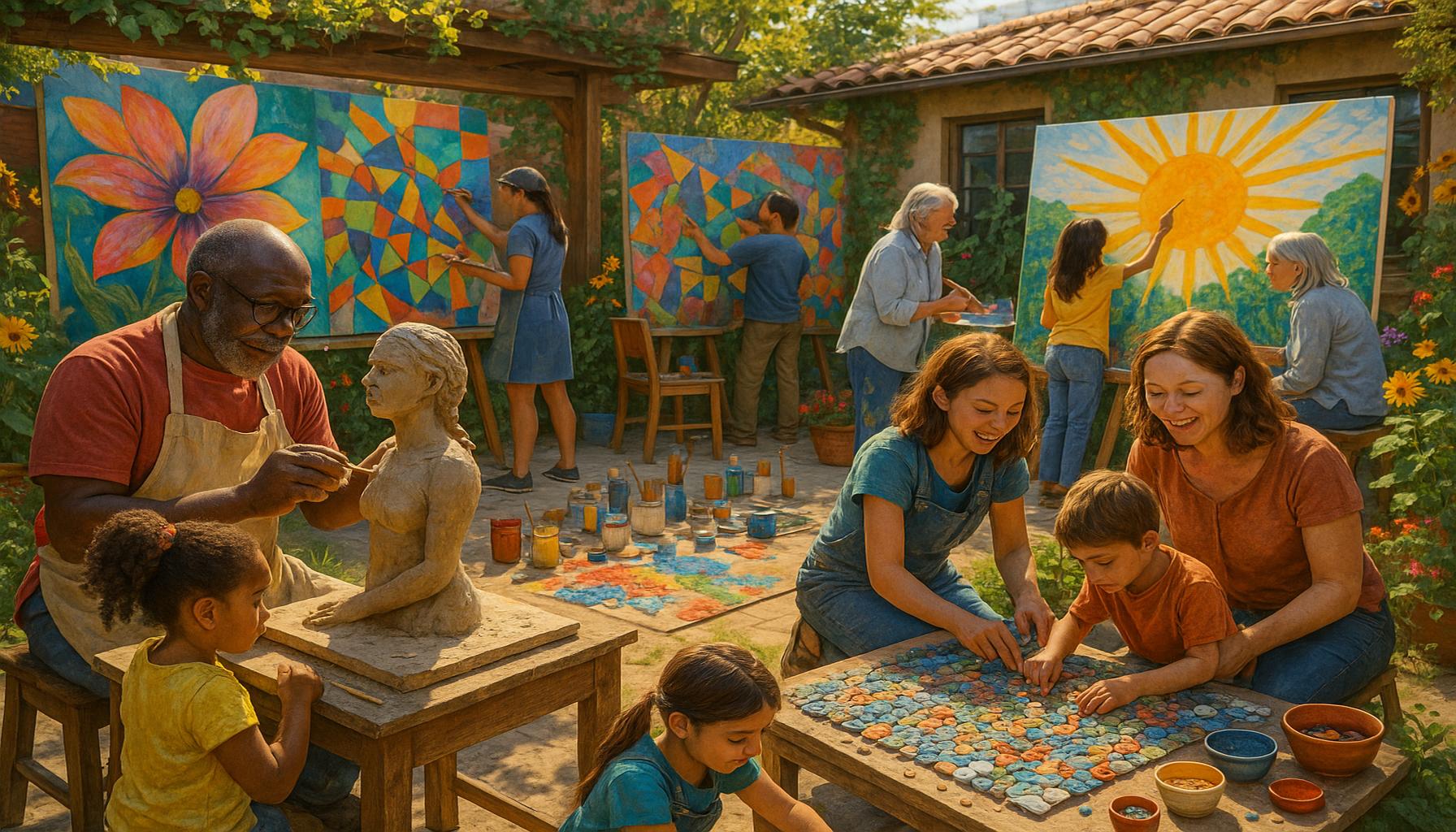
Collaborative art projects are not merely opportunities for creation; they represent a vital avenue for communal growth. Across the United States, numerous examples illustrate how shared artistic endeavors can transform neighborhoods, schools, and workplaces. For instance, community mural projects in urban areas often involve local artists and residents, leading to visually stunning displays that also reflect the collective identity of the neighborhood.
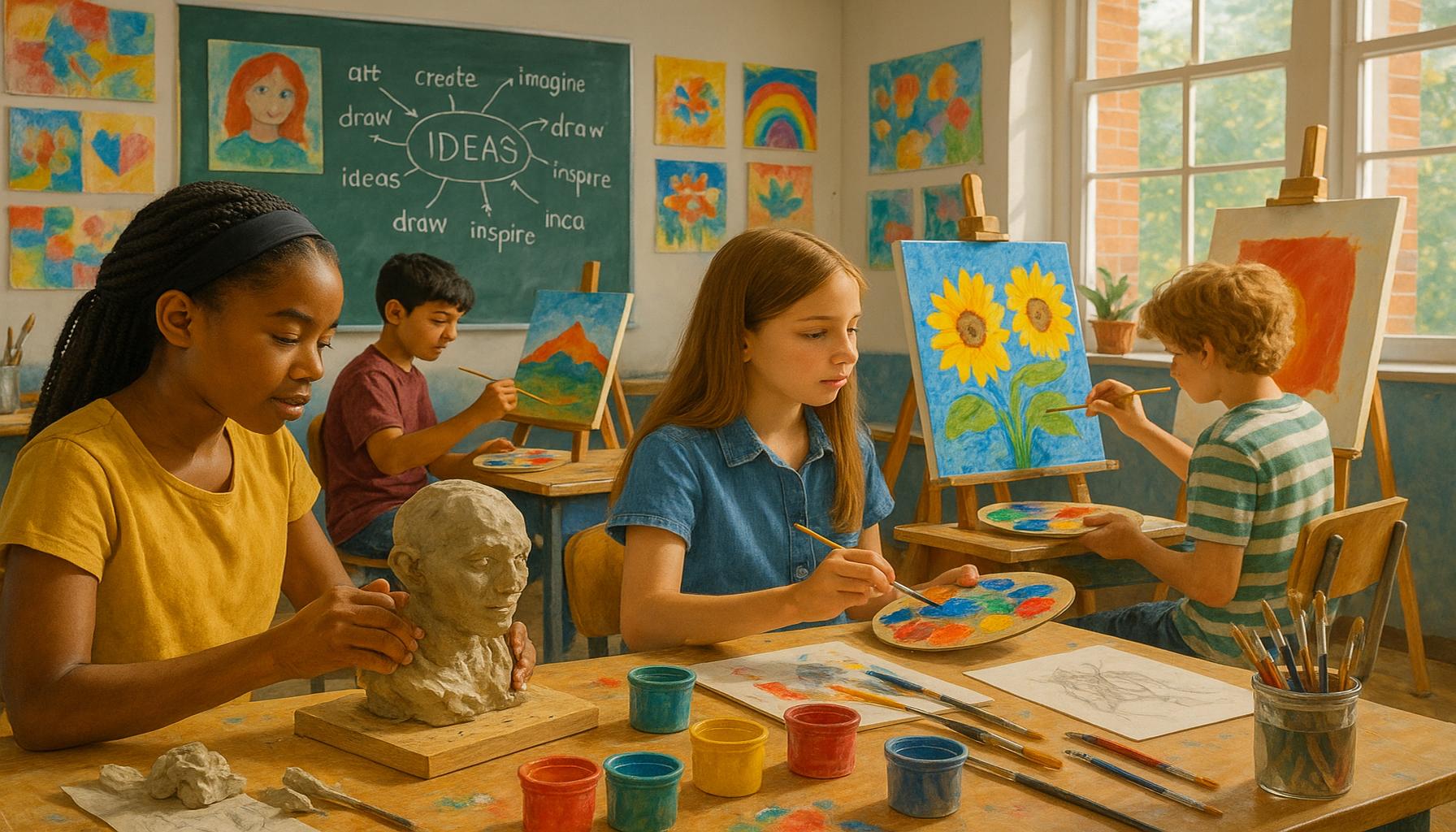
Institutions like schools have also embraced collaborative art, with students working together on large-scale projects that teach teamwork and communication skills. This not only fosters a sense of pride in their creations but also strengthens the bond among students.
As we delve deeper into the world of collaborative art, we will encounter inspiring stories and innovative practices showcasing its impact on both creativity and community dynamics. From public art installations to community-based workshops, these projects are reshaping the landscape of art in America. Stay tuned to discover how collaboration is not only enhancing the art world but also cultivating community spirit across the nation.
DISCOVER MORE: Click here to dive into DIY lighting innovations
Unleashing Creativity Through Collaborative Efforts
Collaborative art acts as a catalyst for creativity, fostering an environment in which artists can push their limits and explore new ideas. In traditional art settings, creators often work in isolation, relying heavily on their personal experiences and perspectives. However, when artists engage in group projects, they expose themselves to a rich tapestry of influences that can dramatically expand their creative horizons. By pooling together their diverse skills and backgrounds, collaborators can generate innovative solutions to artistic challenges and inspire one another in ways that solitary work might not.
The dynamics of collaborative art can significantly amplify artistic expression through various mechanisms:
- Collective Problem-Solving: In a collaborative setting, artists can tackle complex creative hurdles by sharing their insights and perspectives. This cooperative problem-solving encourages risk-taking and experimentation, leading to breakthroughs that can redefine the creative process.
- Skill Sharing: Participants in collaborative art projects bring diverse skill sets to the table, which can elevate the overall quality of the work. Whether someone has expertise in color theory, technical skills, or digital media, sharing these abilities can enrich the project’s final outcome.
- Cross-Pollination of Ideas: Different artistic disciplines can intersect in exciting ways during collaborative projects. For instance, a painter working alongside a musician may fuse sonic elements with visual art, resulting in groundbreaking multi-sensory experiences that acknowledge the full potential of creativity.
Communities across the United States have embraced collaborative art as a means of not only enhancing creativity but also fostering connections among residents. Cities like San Francisco and New York host numerous community art initiatives that unite artists and non-artists alike, focusing on localized themes and issues that resonate with the population. For instance, community art groups frequently organize events where participants create murals that reflect the unique stories and cultures of their neighborhoods. These public installations not only beautify spaces but also serve as conversation starters, inviting local residents to engage with their surroundings and each other.
Moreover, educational institutions have recognized the value of collaborative artistic endeavors. Schools are increasingly incorporating group projects into their curriculum to teach students the importance of teamwork, communication, and mutual respect. As students collaborate on art projects, they gain valuable experiences that extend beyond the classroom, equipping them with essential life skills. For example, collaborative sculptures or combined performances can culminate in showcases that celebrate their hard work, ultimately fostering an enduring sense of community among peers.
The world of collaborative art is vibrant and varied, offering compelling examples of how shared artistic projects contribute to personal growth and community strength. In the following sections, we will delve deeper into case studies and initiatives demonstrating the profound effects of collaboration in enhancing creativity while nurturing social bonds. Prepare to uncover stories of transformation and artistic connection that highlight the incredible potential of collaborative art.
Exploring the Impact of Collaborative Art on Communities
Collaborative art projects are more than just creative ventures; they serve as a powerful medium for community building and personal expression. These projects foster strong connections among participants, enabling individuals from diverse backgrounds to come together and share their unique perspectives. Through collaboration, participants discover new ideas and ways of thinking, enhancing their overall creativity. In many cases, collaborative art transforms public spaces, drawing attention to local issues and creating dialogue within communities. Murals, community gardens, and installation art often become focal points that stimulate discussion and inspire action. By engaging local artists and residents, these projects not only beautify surroundings but also deepen community ties. Moreover, collaborative projects encourage skill sharing and mentorship. Beginners learn from experienced artists, while seasoned creators benefit from fresh viewpoints. This exchange of knowledge enriches the creative process and cultivates an environment where artistic expression can flourish without boundaries.The experience of working together on a common goal can also boost participants’ confidence and self-esteem. As individuals contribute their talents, they feel a sense of belonging and pride in their community, leading to increased community cohesion. Since art is inherently personal and diverse, collaborative projects allow for an exploration of complex themes such as identity, culture, and social justice.Notably, collaborative art initiatives have been shown to have therapeutic benefits as well. Engaging in creative activities can reduce stress and anxiety, leading to improved mental well-being. In this context, art becomes a tool for healing and acceptance.In summary, the diverse benefits of collaborative art projects extend beyond mere aesthetics. They enhance creativity, strengthen community bonds, provide emotional support, and invite meaningful discourse, all while encouraging innovation and expression across societal boundaries. The invigorating power of art draw people together, proving that creativity thrives in the spirit of collaboration.
| Category 1 | Category 2 |
|---|---|
| Community Engagement | Collaborative projects enhance participation and community awareness. |
| Skill Development | Participants gain new artistic skills and insights through collaboration. |
| Cultural Exchange | Art projects create a platform for diverse cultural viewpoints. |
| Emotional Well-Being | Artistic expression can contribute to mental health healing. |
DISCOVER MORE: Click here to dive deeper into musical evolution
Building Community Bonds Through Shared Art Experiences
Beyond just the creative process, collaborative art projects are crucial in strengthening community bonds and encouraging social engagement. These projects often take form in public spaces, allowing the broader community to participate and witness the creation of art as a communal transformation rather than an isolated act. Not only do these endeavors beautify neighborhoods, but they also serve as a platform for dialogue, connection, and shared identity among participants and spectators alike.
One notable example is the mural projects emerging across urban landscapes in the United States. Cities like Philadelphia and Los Angeles have transformed blank walls into vibrant canvases, often through support from local artists and community organizations. The murals often reflect themes important to the neighborhood—celebrating cultural heritage, addressing social issues, or promoting unity. For instance, the Mural Arts Philadelphia initiative has successfully engaged thousands of residents, giving voice to local stories while fostering pride in the community. This initiative exemplifies how collaborative art can ripple out, encouraging civic engagement and strengthening ties among diverse groups.
Furthermore, collaborative art projects are becoming increasingly popular in healthcare settings. Hospitals and clinics are recognizing the therapeutic benefits of art, engaging patients, their families, and staff in collaborative initiatives aimed at enhancing well-being. Programs such as the Arts in Health movement focus on bringing artists into healthcare environments to work alongside patients in various creative endeavors—ranging from painting to music to storytelling. These projects provide patients with a sense of agency and empowerment as they participate in the artistic process, and they contribute to a supportive environment that nurtures healing and mental well-being.
Additionally, universities and colleges across the country are initiating community engagement projects that integrate collaboration across disciplines. Educational institutions are organizing projects that bring together students from diverse backgrounds—art, sociology, technology, etc.—to work on community-driven artistic endeavors. A project at the University of California, Los Angeles, known as Arts for the People, empowers student artists to collaborate with local residents on art installations reflecting community concerns, such as gentrification and displacement. By doing so, these institutions not only foster creativity and innovation but also forge stronger ties between students and the communities they inhabit.
Collaborative art also plays a significant role in addressing social challenges. Initiatives focused on social justice often harness the power of art to mobilize individuals and raise awareness about pressing issues. For example, the Safe Streets Arts Foundation in Baltimore uses collaborative art to engage communities in discussions surrounding violence and public safety. Through workshops and public art installations, participants turn their experiences and perspectives into powerful visual statements, promoting healing and solidarity within their neighborhoods.
The transformative potential of collaborative art projects extends well beyond mere aesthetic improvements; they have become significant vehicles for community empowerment, advocacy, and social change. In exploring these projects, it becomes evident that the convergence of creativity and community not only enhances the artistic landscape but also nurtures interpersonal relationships that strengthen the fabric of society itself.
DISCOVER MORE: Click here to dive deeper
Conclusion: The Lasting Impact of Collaborative Art on Creativity and Community
In conclusion, the power of collaborative art projects is profound, stretching far beyond individual expression to encompass the essence of community building and creativity enhancement. As illustrated through initiatives like mural projects in urban settings, arts in healthcare programs, and interdisciplinary collaborations in educational institutions, group artistic endeavors foster engagement, dialogue, and a shared sense of purpose. These projects not only beautify spaces but also create pathways for residents and participants to engage meaningfully with each other, cultivating a sense of belonging and pride within their communities.
The role of art in addressing social issues cannot be understated, as it serves as a powerful medium for dialogue surrounding critical topics such as social justice and community wellbeing. Through public workshops and installations, individuals can share their stories, harnessing art as a platform for healing and reflection. This collaborative spirit nurtures both creativity and connection, reinforcing the notion that art is an essential vehicle for transformative change.
As we look towards the future, the potential for collaborative art to bridge divides and promote inclusivity remains significant. Communities should continue to embrace artistry as a tool for empowerment and social cohesion. By investing in group projects and recognizing their integral role, we can foster environments where creativity flourishes and communities thrive. Ultimately, the intersection of collaborative art and community engagement stands as a testament to the enduring impact of collective creativity in shaping not only artistic landscapes but also the very fabric of society.