Crafts and Culture: Exploring Projects that Celebrate Local Traditions and Stories
Uncovering the Rich Tapestry of Local Traditions
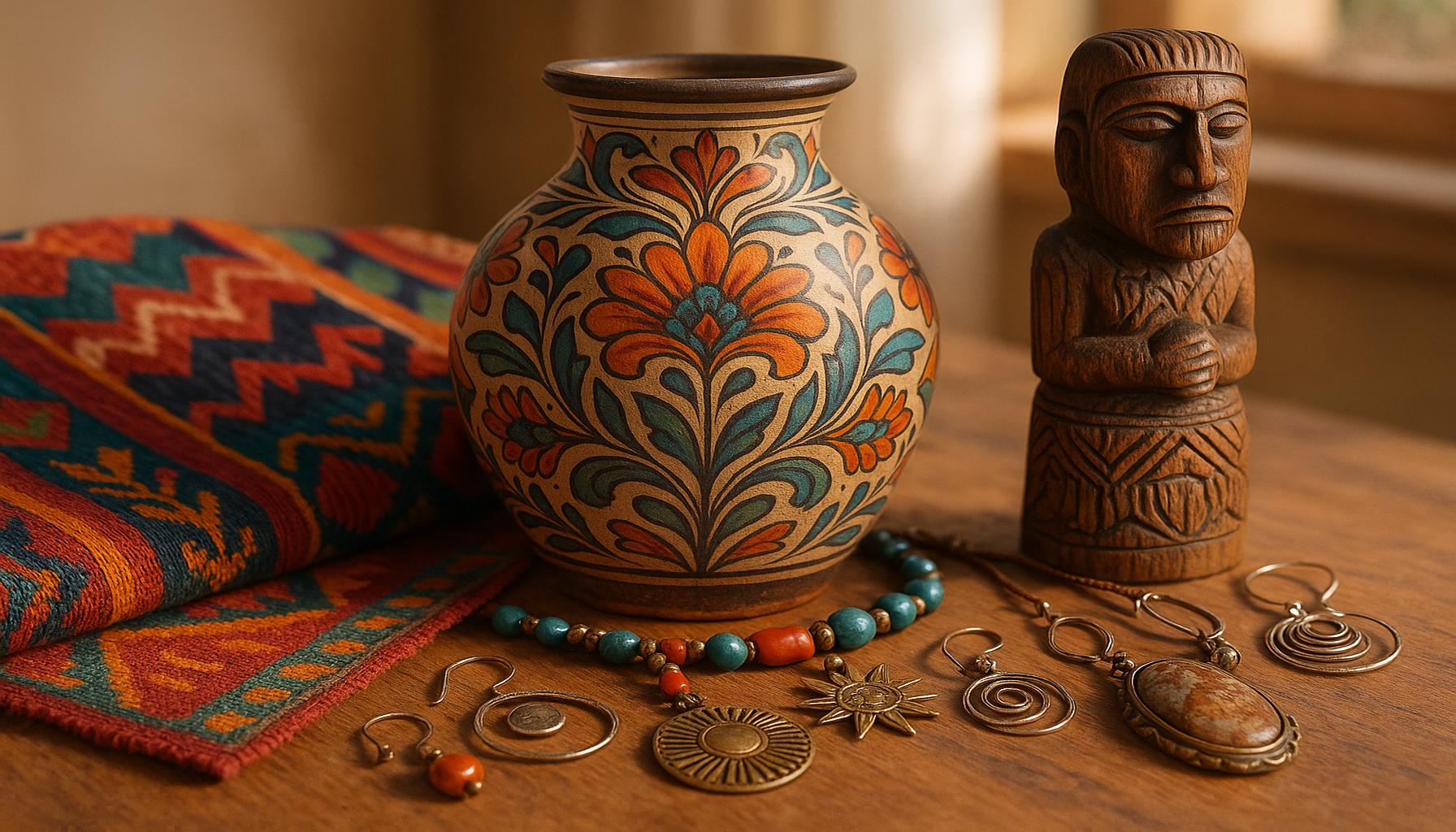
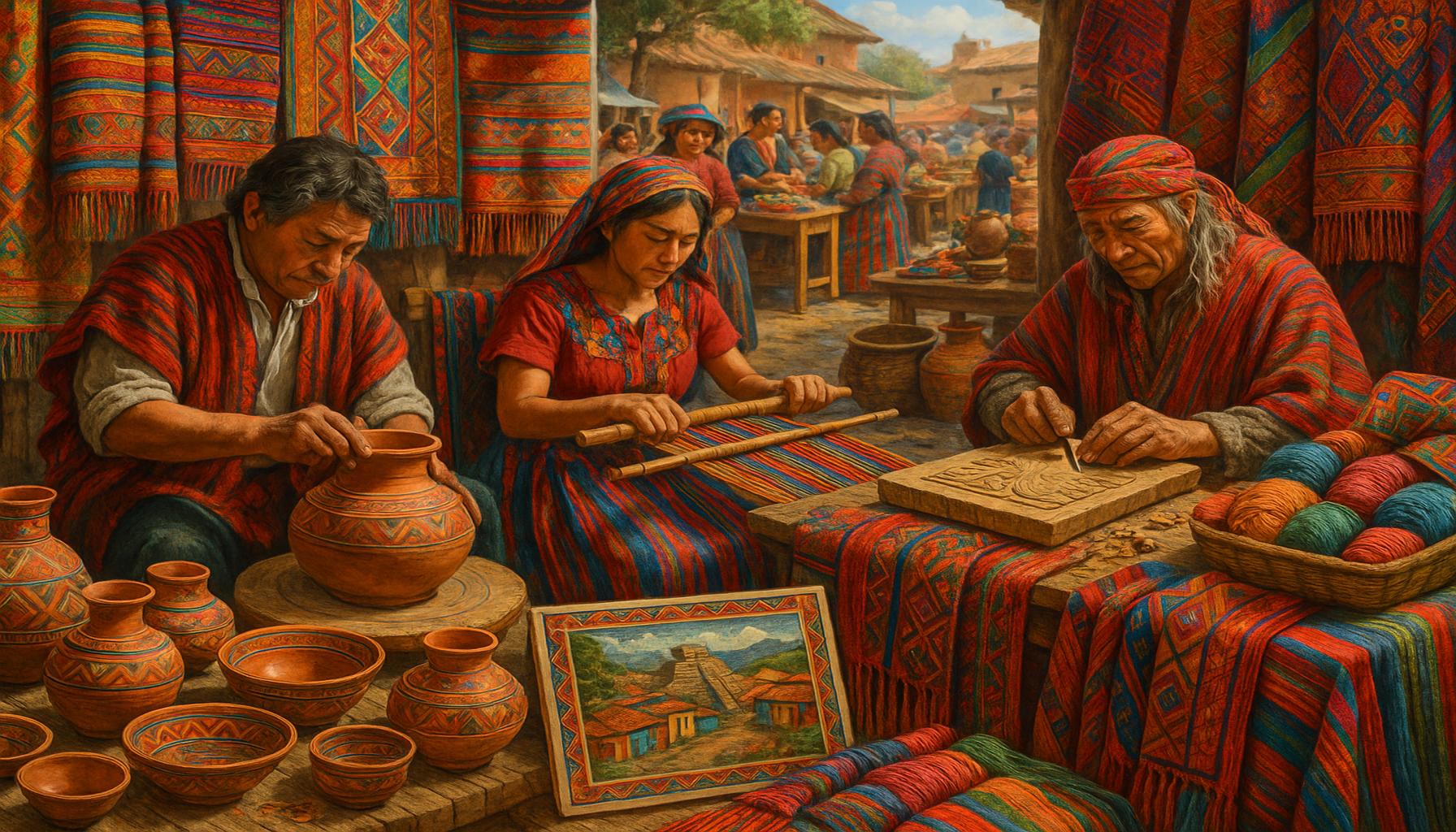
Crafts represent a deep connection between people and their communities, serving as a canvas on which stories, values, and histories are painted. Across the United States, crafts—be it pottery, weaving, or woodworking—go beyond mere creations; they encapsulate the essence of local culture. Each item, whether it is a hand-thrown vase or a hand-knitted scarf, is a narrative thread that links generations, allowing the richness of traditions to flow through time. By engaging with various projects, we explore how these crafts intricately weave together the identities of diverse communities, revealing the heartfelt stories behind them.
Why Crafts Matter
Understanding the significance of crafts extends far beyond their physical form. They serve as important vehicles for storytelling and the continuation of cultural legacies. Here are key reasons why local crafts are essential to enhancing community identity:
- Celebration of Heritage: Local crafts revive traditional skills and artistry unique to each community, from the intricate detail of Pueblo pottery in the Southwest to the vibrant patterns of Pennsylvania Dutch hex signs. Each craft not only preserves history but also instills pride in the heritage from which it originates.
- Community Engagement: Local festivals and workshops energize neighborhoods, providing opportunities for connection. Events such as the Maryland Sheep & Wool Festival or the Santa Fe Indian Market gather artisans and enthusiasts to celebrate creativity, offering hands-on workshops where novices learn from seasoned craft makers. These interactions foster a sense of belonging and shared experience.
- Economic Support: Engaging local crafts can be economically beneficial. When artisans sell their work at local fairs or farmers’ markets, they contribute to the local economy by keeping dollars within the community. It also encourages the growth of small businesses and strengthens the socio-economic fabric of the area.
From the delicate Native American beadwork practiced by tribes in the Southwest, rich with symbolism, to the warm, colorful quilts cherished in the Appalachian region, crafting is interwoven with local lore and traditions. Each project stands as a tribute to the past, highlighting the importance of remembering and honoring these traditions to ensure their survival.
Getting Involved
The world of local crafts is an adventure just waiting to be discovered. If you’re interested in diving deeper, consider:
- Visiting Artisan Markets: These vibrant venues are brimming with handmade items. As you stroll through, take the time to listen to the artists’ stories, gaining insight into their backgrounds and the inspirations behind their crafts.
- Participating in Workshops: Many local artists offer classes where you can learn new skills. These workshops not only teach you about specific crafts but also imbue you with the culture and history surrounding them, allowing for a richer understanding and appreciation.
- Documenting Your Own Projects: Sharing your crafting journey can inspire others in your community. Through blogs, social media, or local arts publications, your narrative can become part of the larger tapestry of community storytelling.
Join us as we uncover the multitude of crafts that celebrate the vibrant cultural narratives interwoven into the fabric of American life. By engaging with local traditions, we not only preserve history but also enrich our communities and ourselves in the process.
DISCOVER MORE: Click here to explore innovative DIY ideas
Crafting Ties that Bind
Crafts serve as an integral link between cultural identity and community spirit, weaving together diverse stories and practices. The vibrant tapestry of American craftsmanship showcases the rich variety of traditions that exist, each representing a unique community and its history. Across the nation, local crafts are not just forms of expression but also essential pathways to understanding the cultural narratives of those who create them.
Many craftspeople draw inspiration from their surroundings, infusing their work with elements from nature, history, and personal experience. In New Mexico, for example, artisans produce stunning Tinwork that reflects centuries-old traditions, often adorned with intricate designs that nod to both religious heritage and cultural symbolism. Similarly, in New England, the craft of pumpkin carving has evolved into a celebrated seasonal activity, showcasing both artistry and local agricultural significance.
Highlighting Local Legends through Craft
Much of the beauty of crafts lies in their ability to tell local stories. They serve as tangible manifestations of myths, legends, and events that shape community identities. In the Pacific Northwest, indigenous tribes create beautifully woven baskets that embody not only utility but also ancestral stories passed down through generations. These pieces often become conduits for oral histories, shared during gatherings and ceremonies that foster a deep connection to the land and its inherent wisdom.
Consider exploring the fascinating world of folk art, which often characterizes regional craftsmanship. For instance, the works of the Appalachian region exhibit a distinct style in wood carving and quilting, often portraying scenes from the daily life and hardships of the settlers. Artisans, such as the famous Appalachian quilters, stitch together not only fabric but also the stories and experiences of their ancestors, making each quilt a narrative work of art.
Crafts as Cultural Preservation
The act of crafting is a powerful vehicle for cultural preservation. Many communities are actively working to revive traditional techniques that risk fading away in our rapidly changing world. Workshops and classes are popping up in neighborhoods across the country to reintroduce these skills and engage a new generation of artisans. For example, the North Carolina pottery tradition is experiencing a resurgence as young crafters are mentored by seasoned potters, learning not just the technical skills but the ethos of their craft’s heritage.
Local crafts also play a significant role in bridging cultural divides, fostering understanding and appreciation among different communities. Programs that encourage collaborative crafting initiatives bring together people from diverse backgrounds, uniting them through shared experiences and creative expression. Events such as regional craft fairs or community art installations offer platforms for dialogue and exchange, ensuring that the rich tapestry of local traditions continues to flourish and thrive.
As we delve deeper into the world of crafts, let us celebrate the rich narratives being told through each handmade piece. These projects not only highlight the artistry involved but also invite us to explore and engage with the cultural legacies that shape our communities today.
| Category | Key Features |
|---|---|
| Cultural Significance | Exploration of community traditions and storytelling that imbue projects with rich meaning. |
| Artistic Expression | Promotes local artisans and craftspeople, building a vibrant local economy. |
With a focus on cultural significance, projects under the theme of “Crafts and Culture” highlight the importance of preserving and showcasing the stories of communities. These initiatives allow for the exploration of traditions, providing insight into the values and heritage that shape local identities. Through workshops and exhibitions, participants engage with the past, learning about the narratives attached to various artisan crafts. Moreover, the emphasis on artistic expression not only enriches the community but also opens doors for local artisans. By giving them a platform to display their work, these projects foster creativity and innovation while driving economic growth. Engaging audiences encourages a greater appreciation for craftsmanship, inviting more individuals to delve into the world of local stories and traditions. Exploring these avenues can deepen connections to community culture, inspiring future generations to uphold these cherished legacies.
DISCOVER MORE: Click here to learn how to enhance your well-being
Reviving Heritage through Hands-On Crafting
In a world increasingly dominated by mass production and digital interaction, the importance of local crafts takes on new significance as a means to reconnect with heritage. Crafts can act as a bridge to the past, offering hands-on experiences that invoke the intricate relationship between technique and tradition. These projects serve not only to showcase artistry but also to create spaces for teaching, learning, and storytelling.
One notable endeavor is the resurgence of traditional weaving practices throughout the United States. In regions like the Southwest, artisans are reinvigorating the art of Navajo weaving, where vibrant colors and intricate patterns tell stories of identity and spirituality. Workshops led by skilled weavers invite eager participants to learn age-old techniques while simultaneously understanding the cultural significance of their creations. This not only nurtures individual skills but also fosters community engagement and awareness of native history.
The Collaborative Spirit of Crafting Communities
Crafting is inherently collaborative, building connections across various demographics. A prominent example of this is seen in communities that celebrate their identities through craft collectives. These groups, like the Los Angeles-based Craft in America, focus on bringing together artisans of multiple backgrounds to create collaborative projects. Through shared craftsmanship, these initiatives promote dialogue and inspire fresh perspectives, enforcing the belief that art can transcend barriers and foster unity.
Across the country, initiatives like community murals and large-scale textiles also reflect this ethos. Local artists and novices alike contribute to these public art projects, visually narrating the collective history and aspirations of their communities. The mural movement, which gained momentum in urban areas, serves as both a canvas for artistic expression and a tool for cultural storytelling where shared histories and contemporary issues intertwine.
The Role of Festivals in Preserving Craft
Craft festivals play a crucial role in not only celebrating local artisans but also nurturing cultural traditions. Events like the American Craft Council Shows and regional local arts fairs spotlight traditional crafts while giving exposure to modern interpretations. These gatherings provide a platform for artisans to showcase their works and educate the public about the significance of the techniques and materials they utilize.
Furthermore, festivals often incorporate hands-on workshops where attendees can learn from masters while gaining insight into the cultural contexts behind each craft. Participants might leave with more than just a newly acquired skill; they often walk away enriched with stories that bind them closer to the cultural narrative of their community. The blending of arts with education strengthens local traditions, ensuring the relevance of crafts in the modern era.
Additionally, crafts are being integrated into educational programs across schools and community centers, embracing a model that connects young people to cultural roots. Experiential learning through crafts teaches valuable lessons in resilience, teamwork, and cultural appreciation. By providing children and teenagers with the tools to explore their creativity and heritage, communities invest in the future guardians of their stories.
As we explore the landscapes of crafts across America, it becomes clear that these projects are more than mere activities; they embody the spirit of local traditions, allowing stories to be passed down through generations. In this continuous, vibrant exchange of ideas, the legacy of craftsmanship fosters a deeper understanding of our shared human experience.
DISCOVER MORE: Click here to learn innovative gardening ideas
Conclusion: The Enduring Significance of Craft in Cultural Landscapes
As we reflect on the rich tapestry of crafts and culture, it becomes evident that these projects serve as crucial vessels for celebrating local traditions and storytelling. By engaging in hands-on crafting, individuals not only create tangible pieces of art but also foster a deeper appreciation for the cultural narratives that shape their communities. Whether it is through traditional techniques like weaving, collaborative efforts in craft collectives, or vibrant expressions found in community murals, every project encapsulates a piece of history and identity.
Moreover, festivals dedicated to craft play a pivotal role in this preservation, acting as lively platforms that celebrate artisans’ skills while inviting the public to partake in the experience of creation. These gatherings, enriched by workshops, further solidify the link between culture and community, making the stories behind each craft accessible to future generations. By integrating crafting into educational programs, we empower young minds to not only learn about but actively contribute to their cultural heritage.
Ultimately, as we engage with the various forms of local crafts, we uncover not just artistry, but also a shared human experience that transcends time and geography. The exploration of crafts that celebrate local traditions is an invitation to connect with our roots, understand our identities, and ensure that the stories of our communities continue to flourish. As we honor these practices, we contribute to a legacy of creativity and cultural richness that will resonate for years to come, reminding us that every crafted piece holds the potential to tell a story worth sharing.