DIY Sustainable Innovations: Creating Art with Recycled Materials
The Transformative Power of Recycled Art
In an era where environmental awareness is at the forefront of social discourse, artists are wielding their creativity as a powerful tool for sustainability. By utilizing recycled materials, they are not only creating visually captivating works of art but also addressing pressing issues related to waste and conservation.
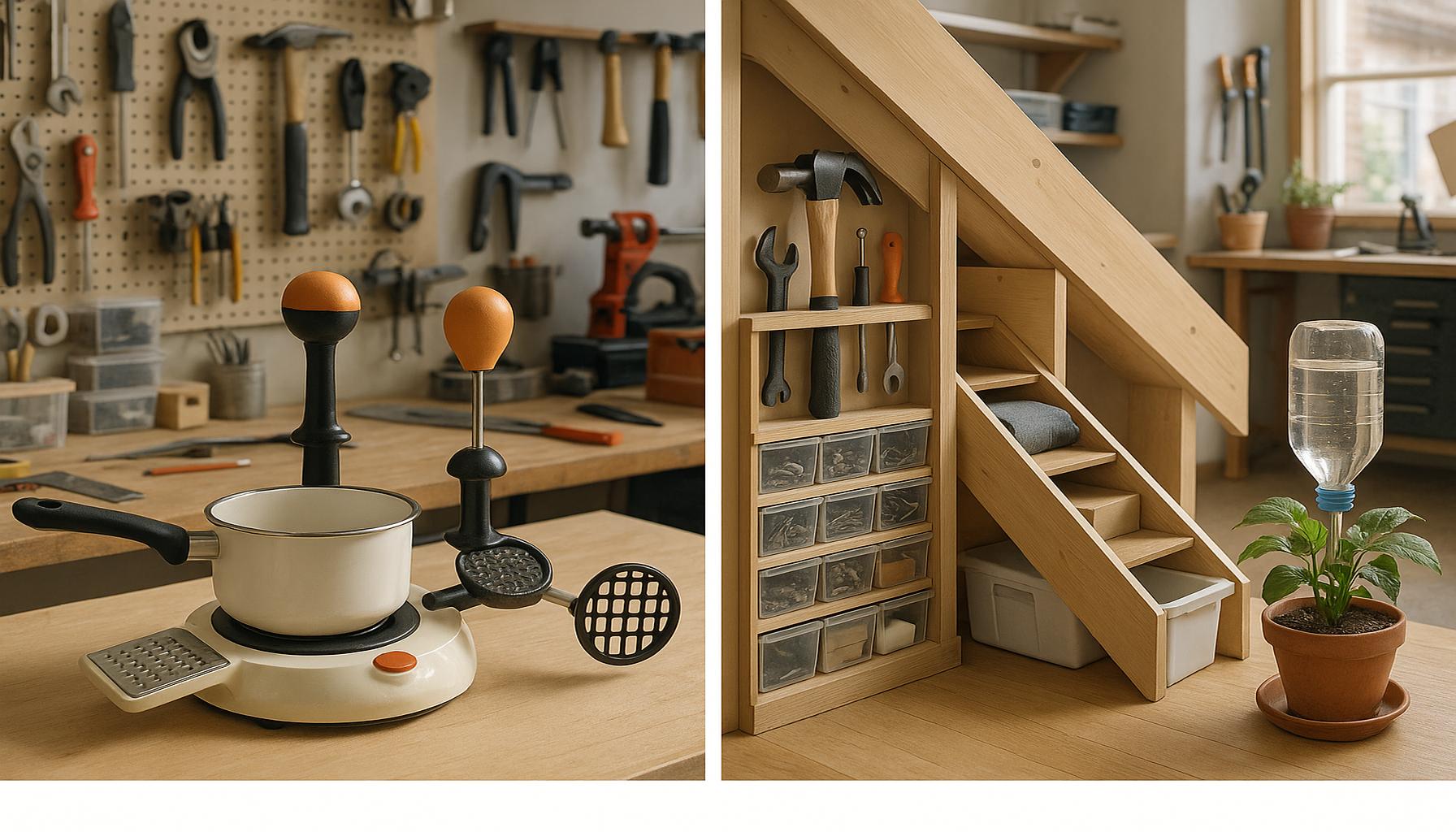
Consider the journey of a simple plastic bottle. Once discarded, it can be transformed into a stunning sculpture or even a functional planter. Artists like Elena Colombo have made headlines for their larger-than-life installations crafted entirely from plastic waste. Such artworks not only beautify public spaces but also serve as poignant reminders of the plastic pollution crisis, prompting viewers to reconsider their own waste habits.
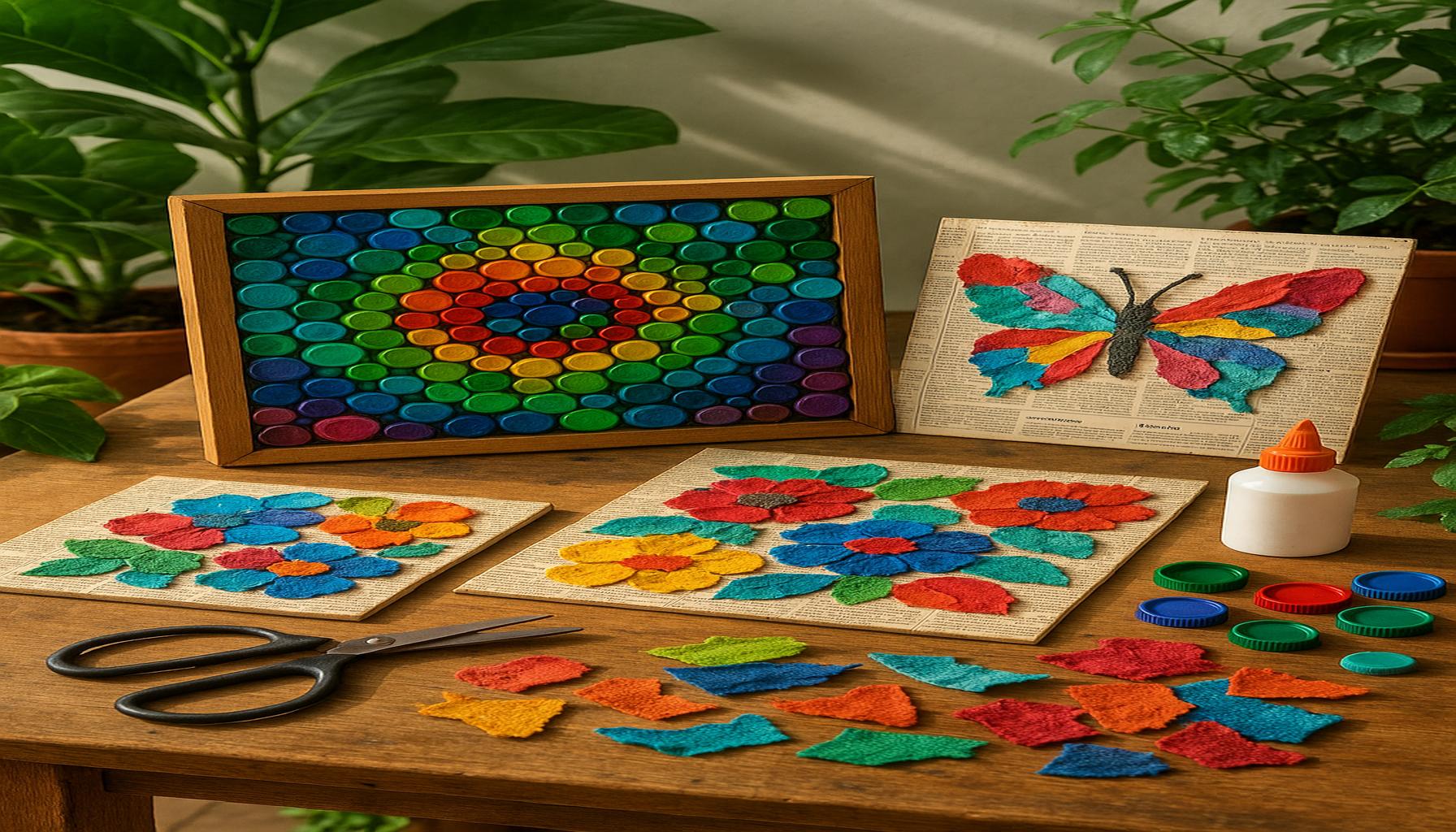
Another notable example is the use of old newspapers. These once mundane pages can be reimagined as collage backdrops or innovative furniture. Artists like Héctor Arce-Espasas utilize paper-mâché techniques to create intricate designs that challenge the viewer’s perception of discarded materials. In communities across the United States, workshops teaching citizens how to create furniture from newspapers encourage DIY enthusiasts to embrace sustainability, promoting both artistry and environmental consciousness.
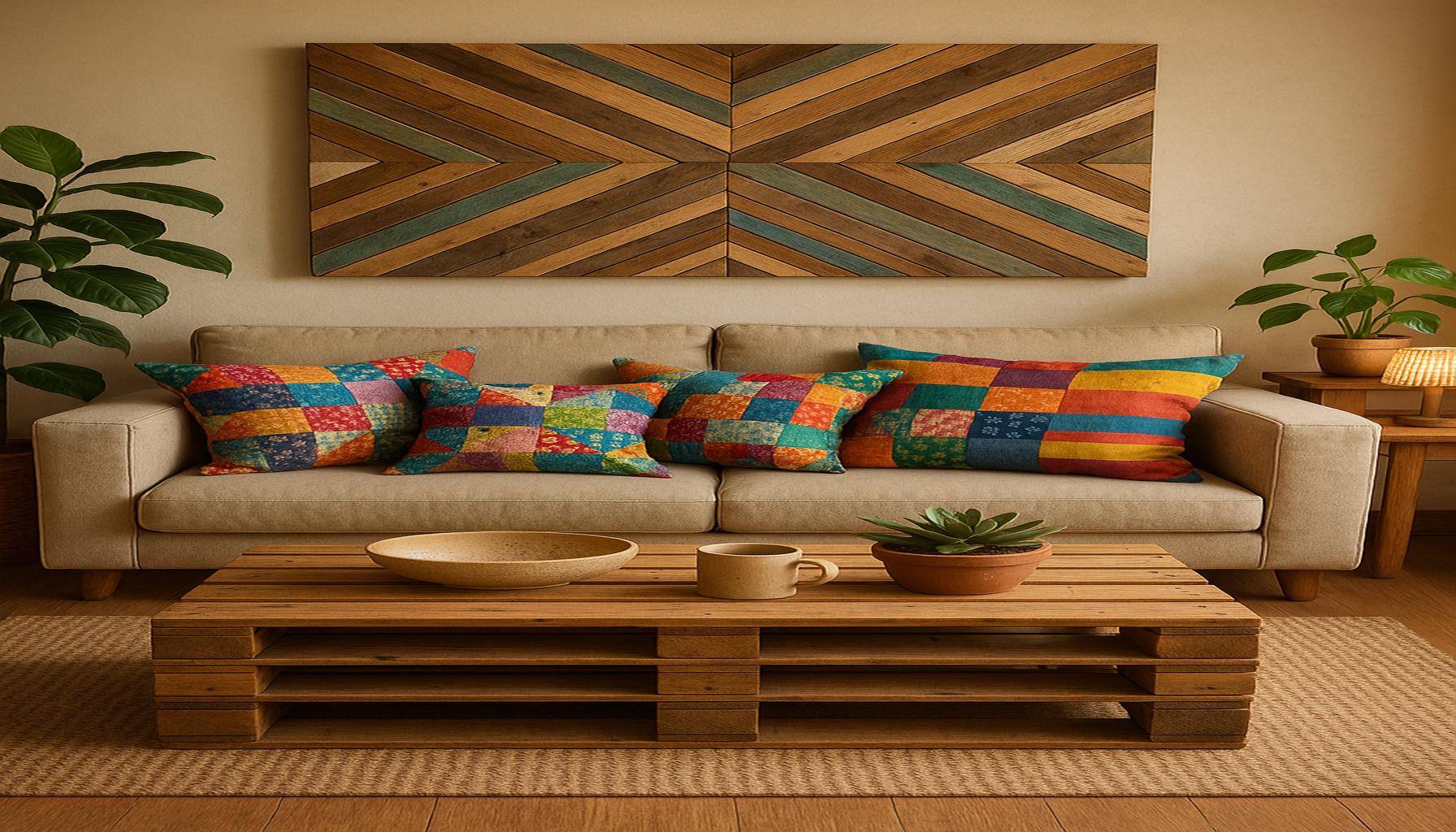
Fabric scraps are yet another material that can be woven into beautiful tapestries or bespoke clothing. Designers like Patagonia and Upcycle Clothing have taken up the challenge to minimize fabric waste by transforming leftovers into fashion statements. Through these sustainable practices, they highlight the importance of slow fashion and encourage consumers to invest in quality, long-lasting pieces.
These DIY sustainable innovations do more than minimize waste; they cultivate a culture of creativity and awareness. By transforming everyday items into art, these initiatives encourage people to find beauty in the ordinary and recognize the potential of what might otherwise be considered garbage. As communities engage with recycled art, they are often inspired to initiate local projects that foster environmental stewardship and artistic expression.
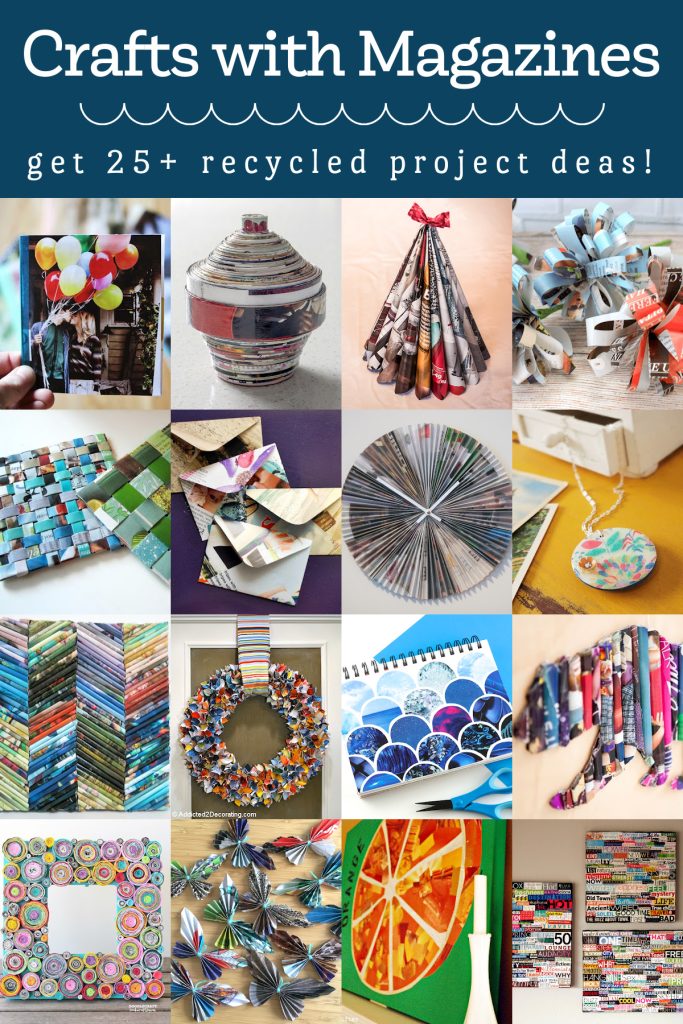
Exploring the world of recycled art reveals remarkable stories of creativity and transformation. Whether it’s through community workshops, art installations, or home DIY projects, individuals are discovering that art can be a catalyst for change. As we embark on this journey, we invite you to explore how these projects can enrich your life, engage your community, and contribute to a healthier planet.
The intersection of art and sustainability is not just about recycling; it’s about reimagining our world and inspiring a new generation of eco-conscious creators. The movement is growing, and the next masterpiece could come from your own hands, redefining how we approach art and environmental responsibility.
DISCOVER MORE: Click here to enhance your skills
Creativity Meets Consciousness: The Beauty of Recycled Materials
As more people embrace sustainability, the art world has begun to flourish with DIY sustainable innovations that tap into the creative potential of recycled materials. Artists and crafters alike are uncovering the hidden beauty within items that many consider waste. When exploring this realm, it is essential to understand not only the impact these innovations have on our environment but also how they can shape our creative expression.
At the heart of this movement lies the concept of upcycling. By creatively repurposing discarded items, artists breathe new life into them, transforming everyday refuse into imaginative works of art. This practice encourages individuals to question the lifecycle of their belongings and recognize the potential of rethinking materials that may have otherwise ended up in landfills.
Here are a few popular materials that have found new purpose in the hands of DIY artists across the United States:
- Bicycle Parts: Old chains, tires, and frames have been reinvented into stunning wall art, furniture, and even garden decorations. Local artists often source these materials from bike shops or community donation events, creating unique pieces that carry a story.
- Glass Jars: With their versatile shape, glass jars can be repurposed into decorative vases, candle holders, or even home organizers. Craft fairs and workshops abound, showcasing how everyday glassware can transform a room.
- Wood Pallets: These sturdy structures, often discarded after transporting goods, are turning up in homes as rustic furniture or planters. Many DIY enthusiasts find joy in the process of disassembling pallets and envisioning new furniture designs.
Moreover, the influence of social media platforms like Instagram and Pinterest has sparked a renaissance in the use of recycled materials for art. Artists now have the chance to share their DIY projects with a global audience, inspiring others to embark on their journeys of creativity and sustainability. These platforms facilitate access to countless tutorials, guiding users in crafting their own treasures from what would typically be seen as trash.
Notably, educational outreach initiatives like art councils and community centers are increasingly hosting workshops focused on teaching the public about the creative process behind recycled art. These gatherings serve as an incubator for ideas and experimentation, allowing participants to develop skills while fostering a greater appreciation for sustainable living. Communities are not only learning practical crafting techniques but also embracing a mindset that values reusing and recycling as a fundamental approach to art and life.
As the DIY movement gains momentum, it serves as a reminder that art can be a medium for change. By focusing on the transformative power of recycled materials, we contribute to a cultural shift towards environmental responsibility. With each piece of art created from discarded items, we take a step closer to reshaping our relationship with waste, encouraging a more sustainable future through the beauty of creativity.
| Advantages | Details |
|---|---|
| Environmental Impact | Utilizing recycled materials significantly reduces waste and conserves natural resources, contributing to a healthier planet. |
| Cost-Effectiveness | Creating art from recycled products often requires less financial investment, making it an accessible option for artists at any skill level. |
The movement towards DIY sustainable innovations offers numerous opportunities for artists and creators alike. By embracing the art of using recycled materials, you not only promote sustainability but also stimulate creativity in entirely new dimensions. This approach not only fosters a sense of community but also educates individuals on the value of rethinking waste.Through various projects, such as sculptures made from plastic bottles or paintings using old newspapers, artists can transform what once was deemed trash into stunning masterpieces. This innovative practice aligns with current trends, as more individuals seek to support eco-friendly initiatives, making art with recycled materials not just a trend, but a vital conversation in the art world.Furthermore, engaging in this craft can inspire a sense of accomplishment and personal satisfaction, knowing that one’s creative efforts contribute positively to society and the environment. By exploring these aspects of DIY sustainable innovations, you are invited to tap into a realm that combines art, sustainability, and community engagement, leading to enriching experiences and stunning creations.
EXPLORE MORE: Click here for DIY toy ideas
Transforming Waste into Wonder: Innovative Techniques in Recycled Art
The journey into the world of DIY sustainable innovations offers much more than just an opportunity to create art; it unveils a myriad of imaginative techniques that artists are adopting to breathe new life into forgotten materials. Techniques such as collage, assemblage, and sculpture are gaining traction, as creators experiment with the tactile qualities and unique histories held by each item. This trend is not merely an artistic expression; it is a deliberate choice that echoes a collective commitment to sustainability.
Collage art serves as an excellent example of how mixed media can effectively utilize recycled materials. Artists create stunning compositions by layering magazines, newspapers, fabric scraps, and other remnants. In cities like New York, workshops are increasingly featuring collage techniques that encourage participants to think critically about consumerism and waste. The resulting pieces often tell powerful stories, reflecting societal issues while simultaneously showcasing the creative potential within discarded items.
In addition to collage, the practice of assemblage combines various found objects into cohesive sculptures. This three-dimensional form of art allows for a more tactile experience, where viewers can appreciate the textures and narratives woven into the piece. For instance, in regions known for fishing, artisans might gather old fishing nets, hooks, and even barrels to craft sculptures that speak to both the beauty and challenges of marine life. The use of local materials in assemblage not only honors the community’s heritage but also fosters a deeper connection to the environment.
Furthermore, a dynamic approach to using textiles has become prevalent in the upcycling movement, with many artists highlighting how fabric scraps, old clothes, and other textiles can be transformed into wearable art, quilts, or wall hangings. By participating in clothing swaps and textile recycling programs, artists in cities like San Francisco are curating collections that emphasize sustainability while adding a splash of color and creativity to their workspaces. Creative reuse practices ask the public to reconsider what they can do with items that hold sentimental value but have long outlived their original purpose.
Additionally, many DIY enthusiasts have begun integrating technology into their cooperative networks. Workshops often provide access to tools and resources, such as 3D printers and laser cutters, allowing artists to experiment with materials like reclaimed wood or plastic. This technological infusion has led to a new wave of designs where traditional crafting meets modern innovation, further blurring the lines between art and design.
The intersection of art and environmentalism is further amplified when artists engage in community projects that highlight the importance of recycling. Collaborative mural projects, sculpture gardens featuring recycled elements, and even installations in public spaces invite community members to participate. These initiatives not only beautify neighborhoods but also serve as a reminder of what can be achieved when creativity meets collective consciousness.
As the statistics on waste continue to paint a concerning picture—Americans generate over 292 million tons of trash annually—it is clear that the arts and crafts movement, rooted in sustainability, has the power to spark a revolution. Each creative project provides an opportunity to educate others, foster awareness, and ultimately inspire a shift in how we perceive and manage waste.
This shift towards embracing recycled materials in art feeds into a larger narrative of environmental stewardship and community engagement. As DIY projects flourish and capture imaginations across the nation, the movement proves that the art of sustainable innovation is only just beginning, aiming to redefine our relationship with materials and our planet one creation at a time.
DIVE DEEPER: Click here to discover the evolution of musical styles
Reimagining Waste: The Future of Art and Sustainability
In conclusion, the realm of DIY sustainable innovations stands as a testament to the transformative power of creativity when paired with a commitment to sustainability. Through artistic expressions like collage, assemblage, and textile upcycling, artists are not only crafting visually stunning pieces but also actively participating in a broader dialogue about the significance of resourcefulness in the face of our ever-growing waste problem. By weaving together stories of community, heritage, and environmentalism, these artists establish a profound connection with the materials they utilize, breathing new life into what was once considered discarded.
The growing popularity of workshops and community initiatives reinforces this movement, allowing individuals to engage, learn, and foster collaboration. As communities come together to partake in recycled art projects, they cultivate a collective consciousness that challenges traditional perceptions regarding waste and inspires practical solutions for a sustainable future. This not only beautifies our surroundings but also sparks important conversations around consumption, responsibility, and the impact of our choices on the planet.
Ultimately, embracing recycled materials in art forms a crucial pillar in the journey toward sustainability. As artists across the United States continue to lead this movement, they remind us that each creation is an opportunity to rethink how we interact with our environment. The path forward is clear: through creativity, innovation, and a shared vision for a greener future, we can truly redefine our relationship with the world around us. The revolution of environmentally mindful artistry has indeed just begun, encouraging us all to explore our potential in this vital domain.