Sustainable Craft Projects: How to Transform Recycled Materials into Works of Art
The Importance of Sustainable Crafting
In today’s world, the need for sustainability has never been more pressing. Crafting with recycled materials not only promotes environmental consciousness but also sparks creativity. Imagine transforming everyday items into stunning pieces of art! The practice of using what we already have available to create something new is not just economical but also embodies a growing movement towards sustainability.
Benefits of Sustainable Crafting
Embracing sustainable craft projects offers a myriad of benefits:
- Environmental Impact: Each year, millions of tons of waste end up in landfills. By repurposing items such as plastic bottles, old newspapers, and scrap wood, individuals can significantly reduce their ecological footprint. For instance, turning an old glass jar into a trendy storage container not only prevents it from contributing to landfill waste but also adds character to your home decor.
- Creativity Boost: Crafting encourages innovation, prompting you to think outside the box. Consider the immense satisfaction of creating beautiful decorations for your home or gifts for friends using materials at hand. Discovering inventive ways to use materials—like making earrings from bottle caps or creating wall hangings from fabric scraps—can provide endless creative possibilities.
- Cost-Efficiency: Utilizing materials that would otherwise be discarded can lead to substantial savings. Instead of purchasing expensive resources for a crafting project, why not look around your home or local community? Local thrift stores and donation centers often have materials that can be recycled into valued crafts, allowing you to indulge in crafting without breaking the bank.
Fostering Community Through Crafting
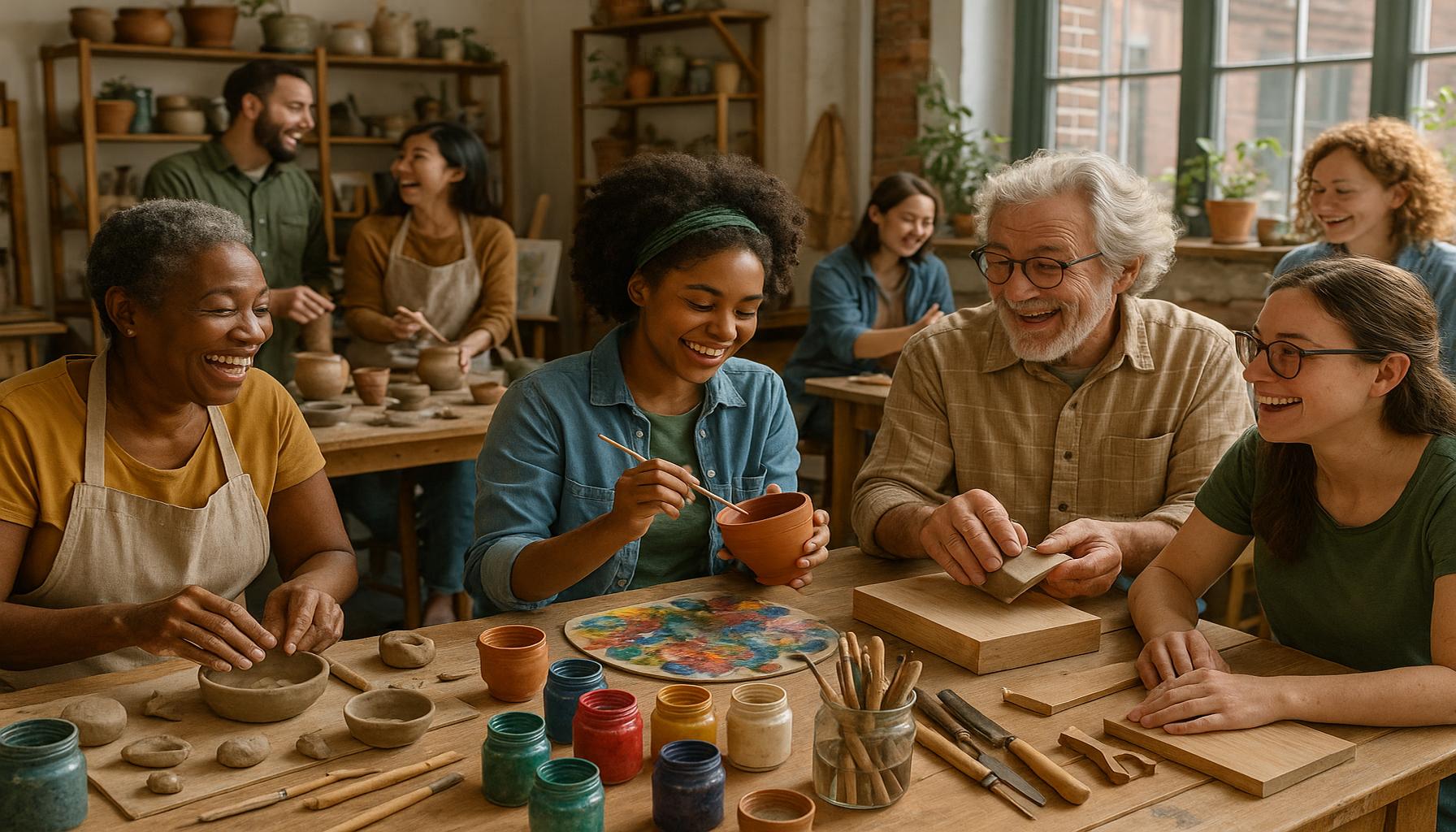
This journey not only inspires individual creativity but also fosters a greater sense of community. Engaging with local crafting groups, attending workshops, or participating in online forums allows enthusiasts to share ideas and showcase their creations. Many cities in the United States, such as Portland and Austin, have vibrant crafting communities that offer classes in sustainable crafting practices. These venues often serve as melting pots for creativity and environmental advocacy.
Inspiring Ideas to Get Started
Curious about what you can create? Here are a few examples to spark your inspiration:
- Planters from old tires: A creative solution for old tires, which can be transformed into eye-catching garden planters. Not only do they reduce waste, but they also add flair to any garden space.
- Jewelry from plastic: Crafting unique accessories from discarded plastic items can lead to beautiful, one-of-a-kind pieces. Imagine making bracelets from old credit cards or beads from plastic containers.
- Wall art from newspapers: Designing intricate wall decorations using old magazines or newspapers can be a fantastic way to express personal style while promoting sustainability. The collages you create might even tell a story reflecting culture and history.
As you embark on this creative journey, consider the various resources and communities available to support your sustainable crafting endeavors. Online platforms like Pinterest or Instagram are filled with tutorials and inspiration, while local art shops often host workshops that immerse you in the craft culture. The possibilities are indeed endless, and each project is an opportunity to make a statement through art while embracing a greener future.

DIVE DEEPER: Click here to discover creative DIY projects
Getting Started with Recycled Materials
When considering sustainable craft projects, the first step is identifying which recycled materials you have available. The beauty of transforming waste into art lies in the potential found in ordinary items that are often overlooked. Here’s a look at some common household items that can be transformed into stunning creations:
- Glass Jars: Mason jars, spaghetti sauce jars, and other glass containers are versatile resources. They can be painted, filled with fairy lights, or used as vases, bringing a chic look to your home.
- Cardboard Boxes: Instead of tossing them away, cardboard boxes can create functional items like organizers, gifts, or even intricate sculptures. With a little cutting and folding, you can turn plain boxes into pieces of art.
- Fabric Scraps: Delve into your sewing basket for leftover pieces of fabric. Whether too small to use for clothing or remnants from previous projects, these scraps can be woven into quilts, wall hangings, or unique bags.
- Plastic Bottles: From previous beverages to cleaning supplies, plastic bottles are plentiful. With a little creativity, they can become garden planters, bird feeders, or mesmerizing decorations for events.
- Old Furniture: Rather than discarding worn or outdated furniture, consider upcycling. Old chairs can be refinished and reupholstered, and tables can be painted to breathe new life into your space.
Starting your journey in sustainable crafting involves recognizing the artistic potential in these items. By repurposing them, you escape the cycle of consumerism and contribute positively to environmental conservation. Furthermore, this form of crafting promotes a culture of sustainability, reminding us that every item has worth, even after its intended function has ended.
Tips for Successful Crafting
To harness your creativity with recycled materials effectively, here are some helpful tips:
- Gather and Organize: Before starting, collect all the materials you wish to use. Clean them properly and organize by type to encourage an easy workflow.
- Research and Plan: Browse through online platforms or craft blogs for innovative ideas that can serve as inspiration. Planning your project ahead helps in visualizing the final outcome.
- Experiment: Some of the best projects arise from trial and error. Don’t hesitate to play around with colors, shapes, and combinations to find a unique approach.
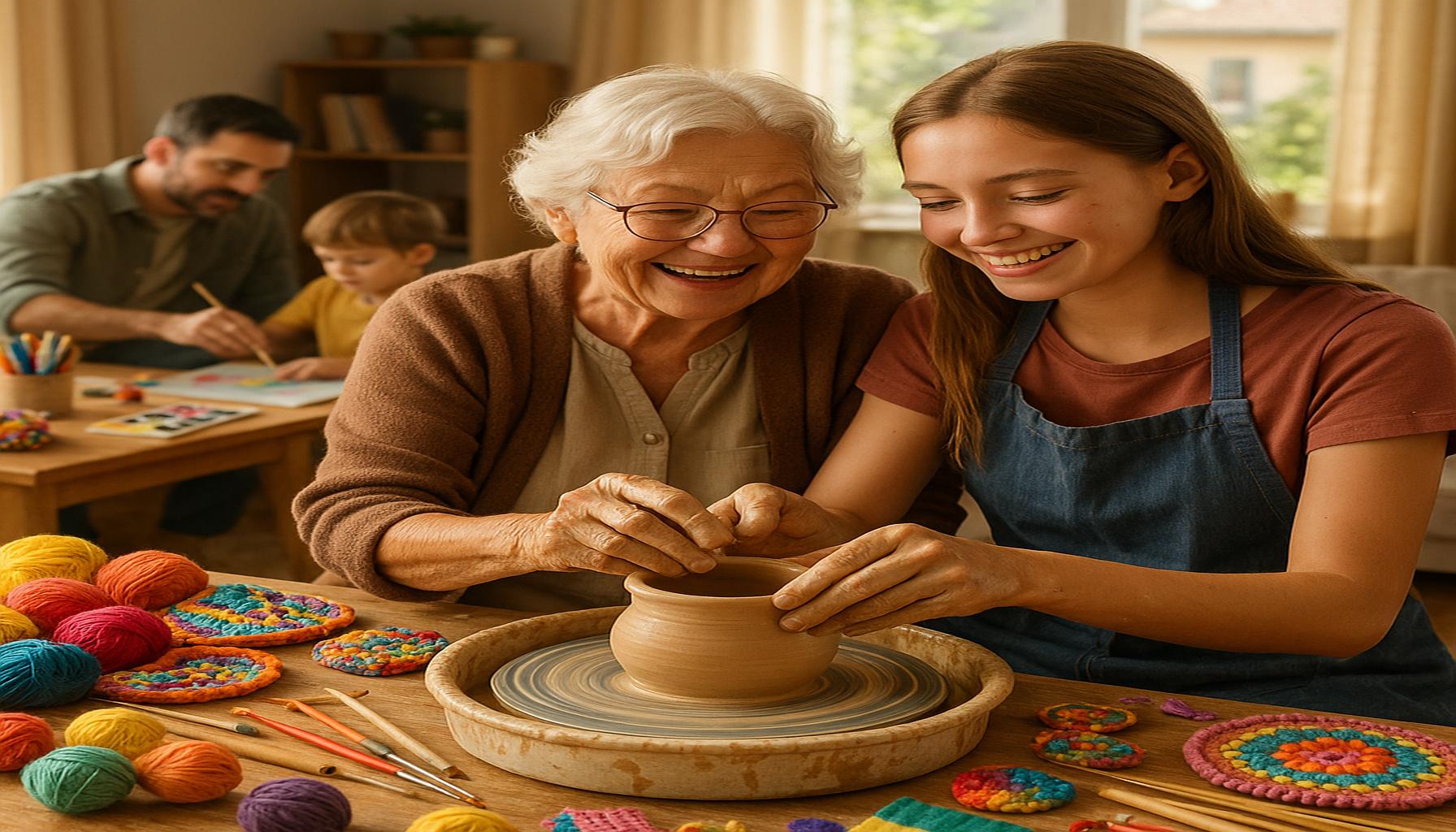
- Involve Others: Crafting can become even more enjoyable when you involve friends or family. Organize a crafting event and exchange ideas, materials, and techniques.
By beginning your adventure in sustainable craft projects, you not only express your individual artistry but also embark on a journey that champions environmental responsibility. Each completed piece can fill you with pride, knowing it contributes to a more sustainable future.
Sustainable Craft Projects: How to Transform Recycled Materials into Works of Art
Delving into the realm of sustainable crafting can be a truly enriching experience. Transforming everyday recycled materials into artistic creations not only champions environmental stewardship but also sparks creativity and innovation.
| Advantages | Description |
|---|---|
| Cost-effective | Using recycled materials reduces expenses associated with purchasing new supplies. |
| Environmental Impact | Utilizing waste materials helps to reduce landfill pollution and promotes sustainability. |
Engaging in sustainable craft projects not only enhances your artistic skills but also contributes to a greener planet. By choosing to repurpose materials like plastic bottles, old fabric, and paper products, artisans can create stunning pieces that tell a story. Furthermore, these projects inspire mindfulness about consumption and waste, fostering a deeper appreciation of the environment.
For those eager to explore the world of sustainable crafting, local workshops often offer hands-on experiences that can ignite inspiration. Online platforms, too, abound with tutorials dedicated to transforming common recyclables into eye-catching decor and functional art. The journey of turning waste into wonder is not only fulfilling, but it can also lead to a sense of community as individuals share their creative visions.
DISCOVER MORE: Click here to delve into the transformative power of music
Bringing Your Creative Vision to Life
Embarking on sustainable craft projects using recycled materials not only benefits the environment but also allows you to express your unique creativity. Once you’ve gathered the appropriate items, it’s time to explore various techniques and creative ideas that can elevate your crafts. Let’s delve into some popular craft techniques and innovative projects that showcase the beauty of reusing materials.
Upcycling Techniques to Transform Everyday Items
One of the most exciting aspects of working with recycled materials is the ability to upcycle. Upcycling involves transforming discarded items into something functional or beautiful, enhancing their value. Here are a few techniques to inspire your next project:
- Decoupage: This method involves gluing cut-out images or decorative paper onto surfaces, perfect for transforming old furniture or boxes into eye-catching focal points. Use fabric scraps or pages from old books to give a new personality to your items.
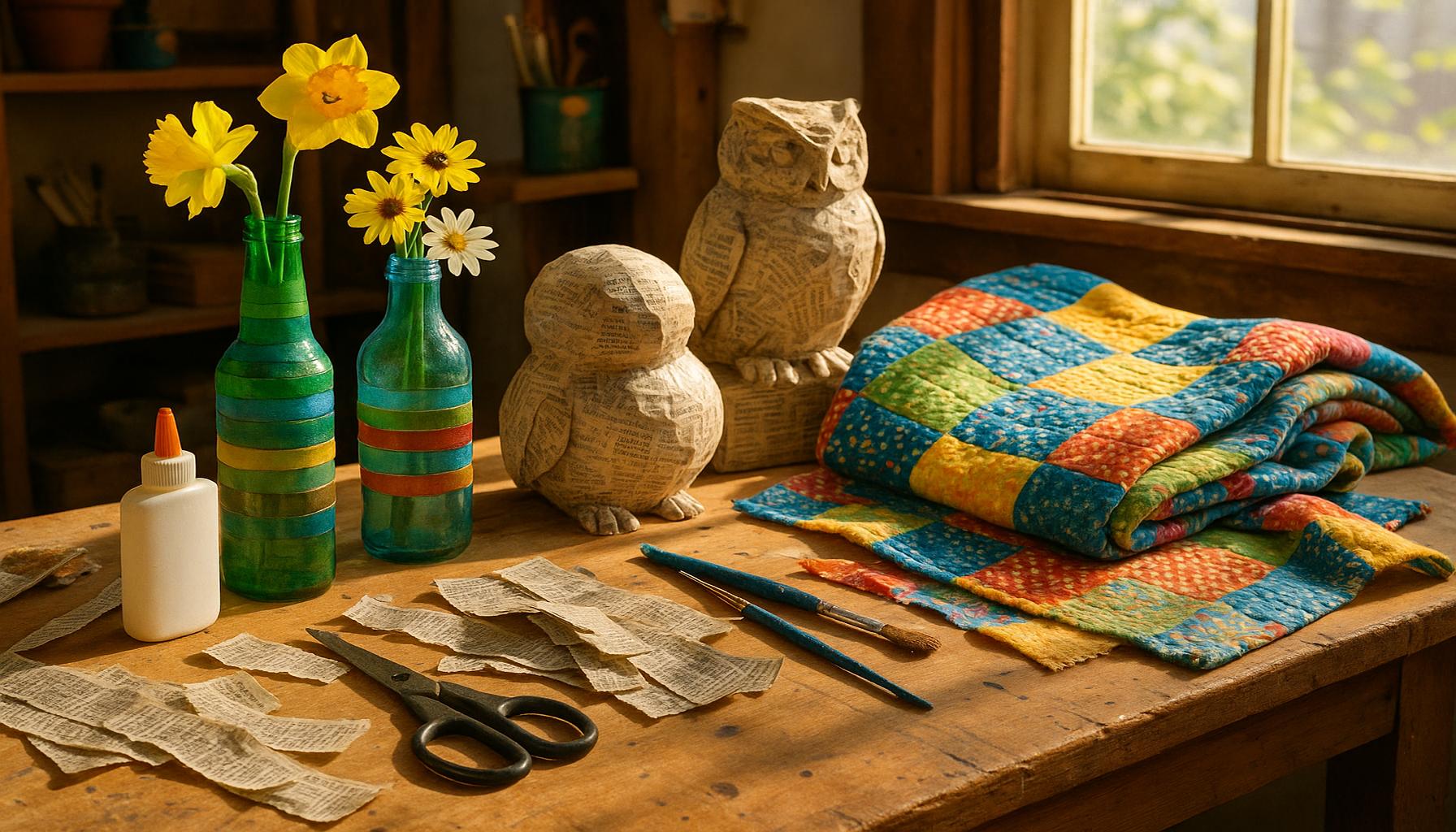
- Papier Mâché: Using torn paper and a glue mixture, you can create stunning sculptures and masks from discarded newspaper or cardboard. This versatile technique allows for intricate designs and can be painted or decorated once dry.
- Collage Making: Gather old magazines, newspapers, and even photos to create layered artwork. This technique can serve as a therapeutic outlet and result in beautiful wall art or cards that can be gifted.
- Stenciling and Painting: Don’t hide those glass jars or old wooden furniture! With a little paint and stencils, you can create custom designs. Use non-toxic paints to keep it eco-friendly while adding a personal touch.
Innovative Project Ideas
With your materials and upcycling techniques, the real fun begins as you brainstorm project ideas. Below are some suggestions that can inspire you to push the boundaries of sustainable crafting:
- Garden Art: Repurpose old utensils, tires, or even shoe planters into delightful garden decorations. Add color and whimsy to your outdoor space with these creative installations that attract both humans and pollinators.
- Homemade Gifts: Create thoughtful and personalized gifts like candle holders from glass jars, or handmade cards using recycled paper. These eco-friendly presents show how much you care and are sure to leave a lasting impression.
- Fashion Accessories: Turn fabric scraps into trendy accessories like headbands, bags, or jewelry. This not only promotes sustainable fashion but also creates one-of-a-kind pieces for your wardrobe.
- Furniture Refurbishing: Give new life to old furniture pieces by sanding and repainting or reupholstering them with vibrant fabrics. Consider swapping items with friends for an even more diverse selection of upcycled furniture.
As you dive into sustainable craft projects, it’s important to remember the message behind your creations—every piece tells a story. By converting recycled materials into works of art, you not only reduce waste but also inspire others to reconsider their own consumption habits. Incorporating sustainable practices into your crafting endeavors encourages a mindset of creativity and resourcefulness.
Moreover, projects that include recycled materials often resonate with communities focused on environmental consciousness. Hosting workshops or participating in local crafting events can amplify the message of sustainability while allowing you to share your passion for upcycling with others.
EXPLORE MORE: Click here to enhance your composition skills
Conclusion: The Artistic Journey of Recycled Creativity
In conclusion, sustainable craft projects that utilize recycled materials not only foster an eco-friendly mindset but also pave the way for boundless creative expression. As we’ve explored, the act of transforming discarded items into captivating works of art speaks volumes about the potential for repurposing within our communities. By employing various upcycling techniques, from decoupage to furniture refurbishing, you can effortlessly breathe new life into everyday objects, turning them into unique masterpieces.
Moreover, creating through the lens of sustainability encourages not just individual creativity but also social awareness. Each piece you craft carries a message that extends beyond artistry, pushing us towards conscious consumption and environmental stewardship. As you gather your materials, remember that your creations can inspire connections with those around you, fostering a collective pursuit of sustainable practices.
As you embark on your journey of transforming recycled materials into art, consider seeking out local workshops or community events where you can share your passion and inspire others to join the movement. The more we engage with one another, the stronger our commitment to sustainability becomes. So, dive deep into your creative well, embrace the beauty of imperfection in recycled materials, and let your artistic endeavors influence a greener future.