DIY Innovations in Gardening: Creating Green Spaces with Everyday Materials
Exploring Creative Gardening Solutions
Amidst growing urbanization, the desire for green spaces becomes ever more pressing. DIY innovations provide individuals with imaginative ways to transform everyday materials into vibrant gardens. From recycled containers to repurposed furniture, the possibilities are endless. The trend is particularly prevalent in urban areas, where traditional gardening space is often limited. This movement allows individuals to harness creativity and practical skills while fostering a deep connection with nature.
Why Choose DIY Gardening?
- Cost-effective: By utilizing materials you already own, DIY gardening not only saves money but also allows you to experiment without the fear of overspending. For instance, old mason jars can serve as charming herb planters, while discarded wooden crates can easily be transformed into cozy flower boxes.
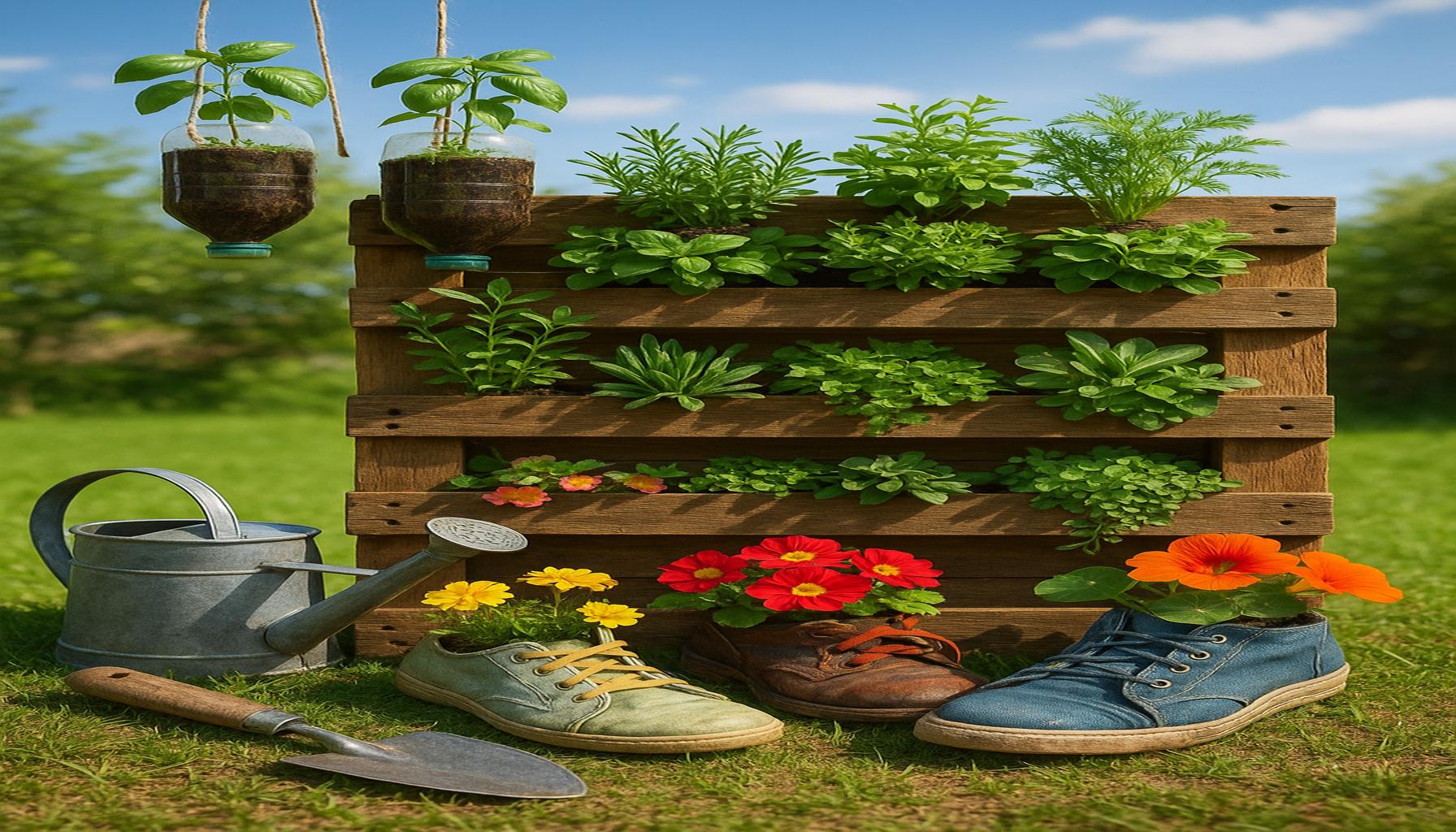
- Environmentally friendly: With growing concerns over environmental sustainability, DIY gardening serves as a great solution. By repurposing items that would otherwise contribute to landfill waste, gardeners can actively reduce their carbon footprint. For example, old boots can become quirky planters, encouraging the recycling of materials in a fun way.
- Personalized design: DIY gardening offers an opportunity for self-expression. You can customize your garden to reflect your unique style, whether it’s a rustic farmhouse aesthetic using reclaimed wood or a modern look with sleek, minimalist containers. Personal touches can transform any space into a true sanctuary.
In the United States, there is a burgeoning interest in incorporating creative gardening techniques into our homes. Urban communities are seeing a rise in guerrilla gardening, where residents covertly plant flowers and plants in neglected public spaces to beautify and enrich their surroundings. DIY gardening not only enriches our surroundings but also promotes a sustainable lifestyle, with numerous community initiatives and workshops available to encourage participation. Understanding how to create your own green oasis can be both fulfilling and enlightening.
What to Look Forward To
In this article, we’ll dive into innovative ideas that can help you create stunning green spaces without breaking the bank. You’ll discover savvy ways to:
- Transform plastic bottles into beautiful planters by cutting them in half and painting them in bright colors, making them a playful addition to window sills or patios.
- Upcycle wooden pallets into garden furniture, such as benches and tables, showcasing your handiwork while providing sturdy and useful outdoor pieces.
- Utilize old tires as striking flower beds, whether vertically stacked for a vertical garden or arranged side by side to create whimsical and unique landscaping.
Join us as we explore the world of DIY gardening, where creativity meets sustainability! With the right guidance and a willingness to try something new, you can easily start your own green journey, one imaginative project at a time. Embrace the spirit of innovation and witness how your small efforts can transform not just your living space, but also contribute positively to the environment.
DIVE DEEPER: Click here to discover more
Getting Started with DIY Gardening Projects
As the movement towards DIY innovations in gardening gains momentum, many individuals are discovering the joys of creating green spaces with materials that may otherwise go unused. The beauty of this approach lies in its accessibility; most people already have a trove of potential gardening materials lying around their homes. Whether you live in a bustling city or a quiet neighborhood, you can enhance your surroundings with minimal investment.
One of the most straightforward yet impactful projects involves using recycled materials. Plastic containers, for example, are tremendously versatile. Old yogurt cups, for instance, can be easily decorated with paint and transformed into eye-catching seed starters. Additionally, the drainage holes can be punctured into the bottom with a simple nail, ensuring that plants thrive without waterlogging. When many gardeners think of creativity, they might overlook this eco-friendly opportunity, but it’s a fantastic starting point for anyone looking to dive into the world of DIY gardening.
Repurposing Common Household Items
An exciting aspect of DIY gardening is the limitless potential of common household items. Here are several innovative ideas to consider when planning your next gardening project:
- Kitchen Scraps: Many gardeners are now utilizing kitchen waste to cultivate a thriving indoor or outdoor garden. Items like potato eyes can be planted, and green onion roots can be regrown indefinitely. This not only reduces waste but allows for easy access to fresh ingredients.
- Tin Cans and Jars: Empty food containers can serve as whimsical planters. Once cleaned and painted, these cans and jars can add character to your garden or kitchen windowsills. Drill holes in the bottom for drainage, and they are ready to host your favorite herbs or flowers.
- Cardboard and Old Newspapers: Instead of tossing them in the recycling bin, consider using cardboard and newspapers as part of your garden’s foundation. These materials create excellent weed barriers, helping to reduce maintenance time and improve soil quality as they decompose.
With an increasing number of community gardening initiatives popping up across the United States, individuals are also collaborating with neighbors to develop shared green spaces. This fosters not only a connection to nature but also to each other. In places like Detroit, urban farms are thriving thanks to passionate residents committed to sustainability. It’s heartening to witness how these community efforts can create lush, productive landscapes out of previously neglected urban areas.
As you explore DIY gardening, remember that every small project contributes to the broader goal of enhancing our environment. With a commitment to sustainability, creativity, and the use of everyday materials, anyone can cultivate a personal oasis. From repurposed containers to utilizing your kitchen scraps, the pathway to a beautiful and functional garden is within reach, waiting for you to embark on a delightful journey of innovation.
| Advantages | Description |
|---|---|
| Cost-Effective Solutions | Using everyday materials significantly reduces gardening expenses, transforming trash into treasure. |
| Customization | DIY projects allow for unique designs tailored to personal taste and garden space requirements. |
| Pest Resistance | Creative use of materials can deter pests naturally, reducing the need for harmful chemical pesticides. |
| Environmental Benefits | Repurposing materials contributes to a more sustainable approach, promoting biodiversity in urban settings. |
Innovative gardening encourages resourceful individuals to view everyday items through a new lens. For example, old pallets can become vertical gardens, offering both space-saving solutions and aesthetic charm. While you embark on these projects, sharing your experiences or ideas can inspire others, cultivating a community centered around sustainable living. In turn, as more people engage with these DIY methods, increased awareness about green spaces emerges, further enriching urban environments and pushing the movement for a greener planet. The following paragraphs delve into specific projects and further innovative potential.
DISCOVER: Click here to find out how music can change your life
Transforming Your Space: Creative Techniques for DIY Gardening
As you delve further into the realm of DIY innovations in gardening, consider the myriad techniques for elevating your green spaces using everyday materials. Each technique represents not only a sustainable choice but also an opportunity to express your personal style and creativity.
Vertical Gardening: Maximizing Space
For those with limited space, vertical gardening is a revolutionary method that allows you to cultivate plants upwards, making the most of every inch. By utilizing items such as wood pallets, shoe organizers, or even old ladders, you can create stunning vertical gardens. An old wooden pallet can be transformed into a rustic plant holder by laying it flat, filling it with soil, and planting a variety of herbs or flowers in each slat. If you have an old shoe organizer, it can be hung on a wall to house small potted plants, perfect for a balcony or small backyard. This method not only beautifies your space but also adds depth and dimension to your garden.
Homemade Compost: Enriching Your Soil
Another innovative aspect of DIY gardening is the practice of composting, which transforms organic waste into nutrient-rich soil amendements. Instead of disposing of dead leaves, fruit peels, and vegetable scraps, consider starting a compost bin in your backyard. By layering green materials (like grass clippings and kitchen scraps) with brown materials (like cardboard and dried leaves), you can create a decomposing ecosystem that benefits your garden immensely. Not only does composting reduce landfill waste, but it significantly decreases your need for chemical fertilizers, promoting a healthier garden environment.
Using Nature’s Resources
Incorporating natural resources into your garden setup is yet another avenue to explore. For instance, if you have access to river stones or pebbles, they can be utilized to create stunning paths or borders around your garden beds. Not only do these materials provide excellent drainage, but they also add an aesthetically pleasing element to your outdoor space. Alternatively, consider using branches or twigs you find while walking in the park as natural supports for climbing plants like beans or peas. This sustainable practice encourages biodiversity and harmonizes your garden with its surrounding ecosystem.
Community Involvement: Learning from Each Other
DIY gardening is a journey best shared. Engaging with local gardening groups can offer a treasure trove of ideas and support. Many communities host workshops and seminars focused on sustainable gardening practices and innovations. In cities such as Portland, Oregon, there are myriad community gardening clubs where residents share tips, resources, and even plant cuttings with one another. Participating in such local initiatives can inspire you to try new techniques, enhance your knowledge, and forge strong connections with fellow gardening enthusiasts.
Additionally, embracing the seasonal calendar can inspire your gardening efforts. As fall approaches, for instance, consider using fallen leaves as mulch to protect your perennials during the winter months. Embrace frost-hardiness by planting cold-weather crops such as kale and broccoli, capitalizing on the energy and enthusiasm of a new gardening season. Each transition provides fresh inspiration to innovate and adapt within your gardening journey.
Through these creative techniques and community initiatives, you can fully immerse yourself in the principles of DIY gardening. Using everyday materials fosters not just a sustainable environment but also a vibrant and personalized green space that tells your unique story.
DIVE DEEPER: Click here to discover the magic of musical improvisation
Embracing the Future of DIY Gardening
In conclusion, DIY innovations in gardening empower individuals to create lush green spaces using everyday materials, fostering a deeper connection with nature while promoting sustainability. By leveraging creative techniques like vertical gardening, homemade composting, and the use of natural resources, anyone can transform their environment into a flourishing sanctuary, regardless of the size of their space.
Moreover, engaging with gardening communities further enriches this journey. Sharing experiences and learning from others not only broadens our understanding of gardening practices but also nurtures a spirit of collaboration. Participating in local workshops or volunteering at community gardens can unveil countless ideas and help you adapt to seasonal changes, bringing fresh perspectives to your gardening routine.
With a heightened focus on sustainability, it’s essential to view gardening as not just a hobby but a means of contributing positively to the environment. The principles of DIY gardening encourage us to reduce waste, increase biodiversity, and utilize local resources. In embracing these practices, we celebrate our ingenuity while crafting unique green spaces that reflect our personalities and values.
As you embark on your own DIY gardening adventure, remember that the possibilities are limitless. Let your creativity flourish and your green thumb guide you towards developing a space that nurtures both plants and the passion you have for this rewarding endeavor. With each small innovation, you’re not only enhancing your surroundings but also playing a crucial role in cultivating a healthier planet.