
Developing Composition Skills: Techniques for Beginners in Music
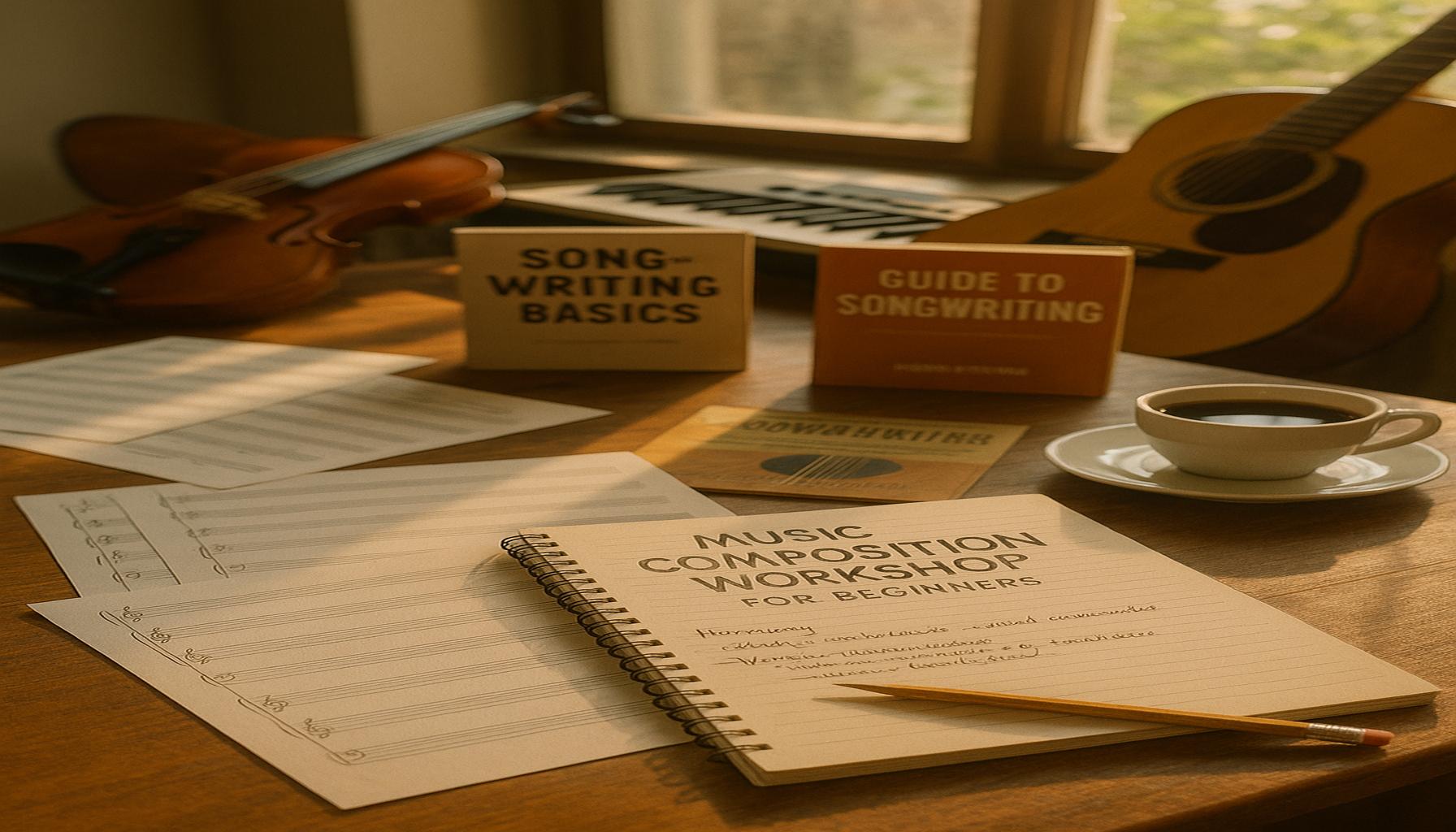
A Journey into Musical Creativity
Every great musician starts somewhere, and for many, that starting point is composition. The journey of creating music is both thrilling and challenging, particularly for beginners. Understanding the foundational techniques can pave the way for developing composition skills that resonate with your unique voice. Each individual brings a distinct perspective to music creation, which is why it’s essential to unlock your own creative potential through deliberate practice and exploration.
The Essentials of Music Composition
For aspiring composers, grasping the building blocks of music is crucial. Here are some key areas to focus on:
- Melody: Crafting a memorable tune that captures emotions can be a transformative experience. It’s often the melody that listeners connect with most deeply. To practice, start by humming a tune you love, then write it down, gradually adding variations.
- Harmony: Understanding chord progressions to enrich your music is equally important. For example, the classic I-IV-V progression has been a staple in countless pop songs. Experiment with different harmonies to enhance the emotive quality of your melodies.
- Rhythm: Experimenting with timing and tempo creates movement in your music. It’s fascinating how a shift in rhythm can alter the entire feel of a piece; consider how upbeat tempos evoke joy while slower rhythms can evoke introspection.
As you delve into these elements, you’ll discover various techniques that can enhance your composition skills. From exploring different music styles, such as jazz or classical, to analyzing the works of renowned composers like Bach or contemporary artists like Billie Eilish, the possibilities are endless. Composing is not just about following rules; it’s about understanding them well enough to break them effectively.
Finding Inspiration
Inspiration can strike from many sources, which is why it’s vital to stay open to the world around you. Consider these avenues to spark your creativity:
- Everyday Life: Pay attention to the sounds of nature, the rhythm of urban life, or even casual conversations. These experiences can inform your music and give it authenticity.
- Listening: Study genres and pieces to understand what moves you. Whether it’s the intricate layering in rock music or the minimalist approach in folk, listening actively can greatly enrich your own compositions.
- Collaboration: Working with other musicians can provide fresh perspectives. Collaborative efforts often lead to surprising revelations and innovative musical ideas. Look for local jam sessions or online platforms to connect with fellow musicians.
By actively engaging with these techniques and sources of inspiration, you can begin your path toward becoming a confident composer. The process is as much about exploration and discovery as it is about creation. Embrace the challenges and joys of composing, and allow yourself to uncover new musical landscapes. Let’s explore some practical methods to kickstart your journey in the world of music composition, transforming every note into a meaningful expression of your inner self.
DISCOVER MORE: Click here to dive deeper
Essential Techniques to Hone Your Craft
When embarking on the journey of music composition, understanding the various techniques that can enhance your skills is fundamental. Beginners often feel overwhelmed by the intricate details of music theory, but honing your composition skills begins with mastering some core techniques that can shape your musical thoughts into cohesive pieces. Let’s break down some essential practices that can elevate your composing abilities.
Understanding Music Theory
While composing may seem like a realm of endless creativity, it is built on a foundation of music theory. Gaining a grasp on elements such as scale structures, intervals, and chord relationships is essential. For instance, the major and minor scales serve as the backbone of melody writing. Start by familiarizing yourself with the major scale and its relative minor. This will not only expand your melodic possibilities but also provide a solid basis for improvisation.
Another core aspect of music theory is the concept of counterpoint, which involves the interplay of different musical lines. By learning to write melodies that complement one another, you’ll develop a richer texture in your compositions. Practice this by creating two simple melodies in consonance and watch how their interaction transforms the feel of your piece.
Writing Regularly
Like any skill, composition requires regular practice. Set aside dedicated time each week to write music, even if it’s just a few bars. Commit to creating a short piece based on a specific theme or emotion. Over time, you’ll notice improvements in your speed and creativity. Consistent practice will help transform your ideas from fleeting thoughts into tangible compositions.
Consider keeping a musical journal where you jot down ideas, snippets of melody, lyrics, or anything that comes to mind. This not only helps in capturing inspiration but also encourages you to revisit and refine these ideas later. You might find that an idea you dismissed initially can blossom into a full composition after a few tweaks and time.
Exploring Different Genres
Exposure to various musical styles can greatly enhance your compositional palette. Each genre introduces unique elements — whether it’s the swing of jazz, the structures of classical, or the emotional depth of folk music. By listening to and analyzing different genres, you can adopt techniques and approaches that resonate with your own voice.
Here are a few genres worth exploring:
- Jazz: Focus on improvisation and syncopation. Experiment with chord extensions and unique phrasings.
- Classical: Pay special attention to formal structures like sonatas, symphonies, and forms such as rondos.
- Pop: Analyze mainstream song structures, focusing on hooks and memorable choruses to engage listeners.
- Electronic: Utilize cutting-edge technology to create innovative sounds, rhythms, and digital effects.
As you diversify your every experience, you’ll accumulate a wealth of ideas and influences that will enrich your compositions. Embrace the distinct characteristics of each style and let them inform your creative process.
Developing composition skills may come with its set of challenges, but with consistent practice, an understanding of music theory, and a curious ear, you can explore the vast world of musical creation. Embrace the techniques and insights mentioned here as stepping stones to discover your own artistic voice, ultimately leading to more refined and expressive compositions.
Developing Composition Skills: Techniques for Beginners in Music
When embarking on the journey of music composition, beginners often feel overwhelmed by the myriad of techniques available. However, establishing a solid foundation is essential for nurturing creativity and skill. Below, we explore practical approaches that will empower novice composers to develop their skills effectively.
Understanding Musical Elements
A critical step in developing composition skills involves a thorough understanding of the fundamental musical elements. These include melody, harmony, rhythm, and texture. By experimenting with these components, beginners can create unique soundscapes and discover their personal style. Analyzing popular songs can provide valuable insights into how these elements work together effectively.
Utilizing Technology
Today’s composers can leverage technology to enhance their learning experience. Software like DAWs (Digital Audio Workstations), notation programs, and apps designed for music theory facilitate the composition process. These tools not only allow for easier editing and arrangement but also provide an accessible way to experiment with different musical ideas and concepts.
Listening and Transcribing
Active listening is an essential skill for any composer. Beginners should immerse themselves in a variety of genres to gain exposure to diverse styles and techniques. Transcribing pieces aids in recognizing patterns and structures, fostering a deeper comprehension of the compositional techniques used by established artists.
Creative Constraints
One effective technique is to set specific creative constraints to spark innovation. Limiting certain musical elements, such as writing without a bassline or using a particular scale, may encourage composers to think outside the box. This practice often leads to unexpected and exciting musical ideas.
In the subsequent section, we will delve into a structured format designed to help beginners develop and refine their composition skills, alongside a useful table outlining key advantages. Stay tuned for more insights!
| Category 1 | Category 2 |
|---|---|
| Technique Exploration | Diverse approaches introduce various tools for creating music. |
| Skill Development | Fosters a broad palette for composition creativity. |
DISCOVER MORE: Click here to learn about the power of collaboration
Embracing Creativity and Collaboration
As you venture deeper into the world of music composition, embracing your creative intuition and fostering collaboration can significantly enhance your skills. These aspects not only cultivate your personal style but also open the doorway to innovative ideas that can transform your musical creations.
Jamming and Collaboration
One of the most invigorating ways to develop your composition skills is through collaboration with other musicians. Engaging in jam sessions or forming songwriting partnerships often sparks an exchange of ideas that can push you beyond your comfort zone. In these collaborative environments, you can benefit from differing perspectives and techniques, enriching your compositions with new textures and insights. Even if you’re inexperienced in performance, find friends or local musicians willing to explore ideas together. You may be surprised by how others can elevate your original concepts.
Moreover, using online platforms and social media can facilitate collaborative opportunities. Websites like SoundCloud or BandLab allow you to share your work, receive feedback, and join projects with others across the globe. This exposure can lead to constructive criticism and support that can help refine your craft and push your creative boundaries.
Improvisation as a Compositional Tool
Improvisation is not just a tool for performers; it can also be a powerful mechanism for composers. Allowing yourself to improvise can uncover unexpected melodies and harmonic structures that may not emerge through traditional composition methods. Set aside time to sit at your instrument and simply play, following wherever your instincts lead you. Don’t shy away from mistakes; they often lead to breakthroughs in creativity.
Consider using things like loop stations or digital audio workstations (DAWs) to layer your improvisations and create unique compositions. By recording your improvisations, you can analyze them later, drawing from the moments that resonate the most with you. This process can enhance your ability to shape your musical ideas and discover compelling arrangements.
Singing and Writing Lyrics
Even if your primary focus is on instrumental music, exploring vocal composition can significantly benefit your skills. Writing lyrics encourages you to consider phrasing, melody, and emotional expression from a vivid perspective. Pay close attention to the narrative your lyrics convey; storytelling can lend depth to your compositions that resonate with your audience.
Additionally, when you sing your melodies, you develop a keen sense of melody and rhythm that can guide your instrumental writing. If you don’t consider yourself a singer, don’t worry; simply humming your musical ideas can be equally effective. The goal is to express and refine your musical thoughts in whatever way works for you.
Utilizing Music Technology
In today’s digital age, music technology has opened up a wealth of possibilities for composers. Utilizing software like GarageBand, Logic Pro, or Ableton Live can greatly enhance your ability to compose. These tools allow you to experiment with different sounds, software instruments, and electronic elements that would have been difficult to access in the past. You can create complex arrangements, test out orchestration, and apply various effects to refine your pieces to perfection.
Engaging with virtual instruments and samples can also lead to fresh and innovative compositions. For beginners, many DAWs come equipped with tutorials and resources that can guide you in navigating the software’s features. Embrace the learning curve; the more familiar you become with these tools, the more proficient you will become in crafting unique musical pieces.
As you delve into the creative aspect of composition, remember that each step contributes to your growth as a musician. Embrace the process with enthusiasm, remain open to exploration, and take advantage of every resource available to you. By fostering creativity, collaboration, improvisation, and leveraging technology, you will uncover new pathways to enhance your composition skills and express your musical voice.
DISCOVER MORE: Click here to dive deeper
Conclusion: Your Journey in Music Composition
In conclusion, developing composition skills as a beginner in music is a journey filled with discovery, creativity, and endless possibilities. By embracing your creative instincts, engaging in collaborations, and allowing yourself to improvise, you cultivate a rich musical vocabulary that can only enhance your creative output. Remember that each composition is an opportunity for growth, and it’s essential to explore various techniques and mediums available to you.
As you incorporate technology into your workflow—leveraging powerful software and online platforms—you position yourself to tap into innovative soundscapes and connect with a global community of musicians. This exploration is not just about writing music; it’s about telling stories, expressing emotions, and making connections that transcend barriers. Take time to reflect on your learning process, seek feedback, and don’t hesitate to share your work with others.
Moreover, while technical skills are vital, the heart of music composition lies in your unique voice. Nurture this voice through practice, curiosity, and a willingness to step outside your comfort zone. The music world is a vast landscape of ideas waiting for you to explore; each note you write will hopefully lead you to new horizons. So keep experimenting, collaborating, and refining your artistry, and let your passion guide you as you develop your personal style. The beauty of creating music is that the possibilities are truly limitless.