The Importance of Improvisation in Music as a Form of Personal Creativity
Unlocking Creative Potential Through Musical Improvisation
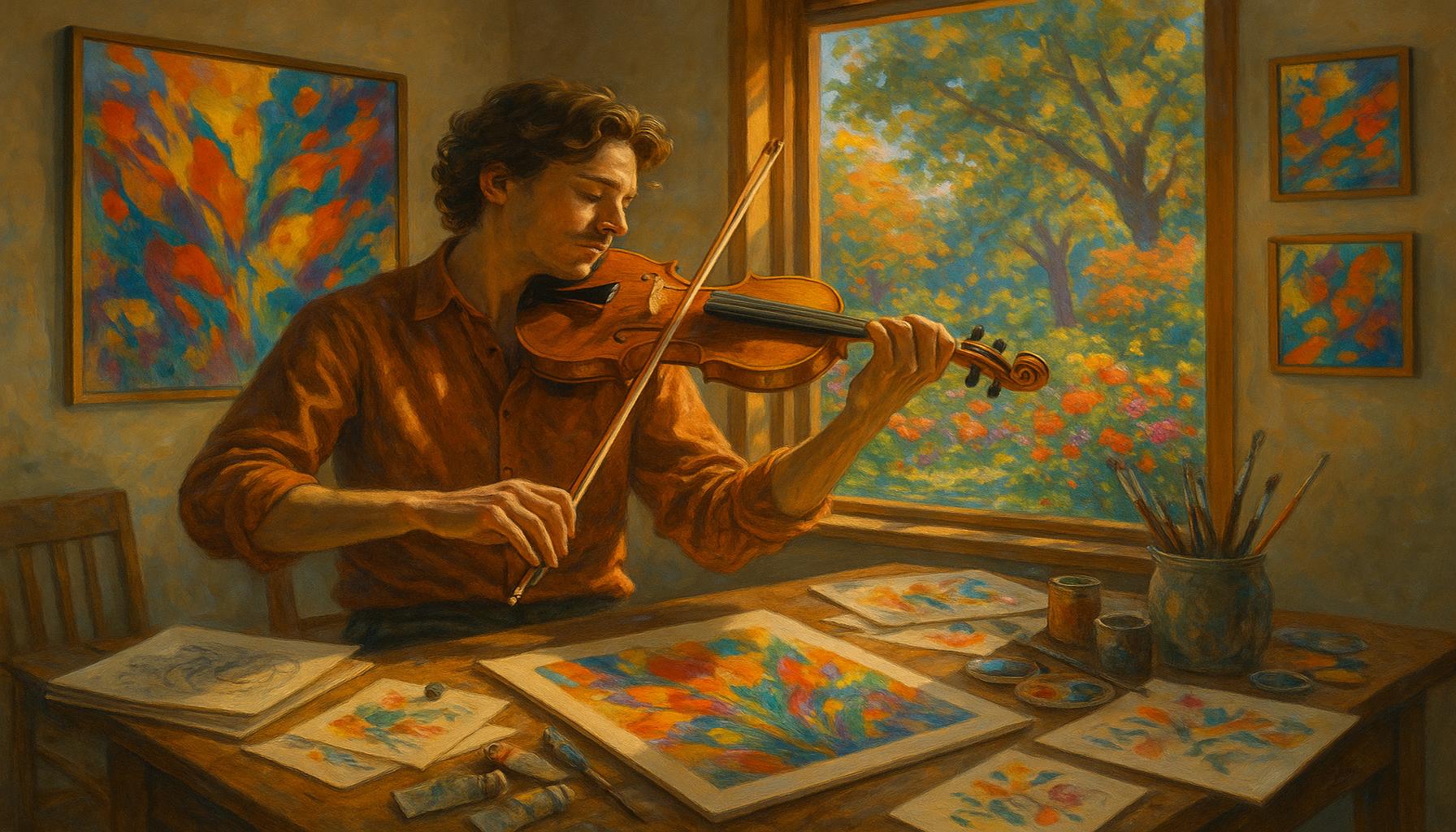
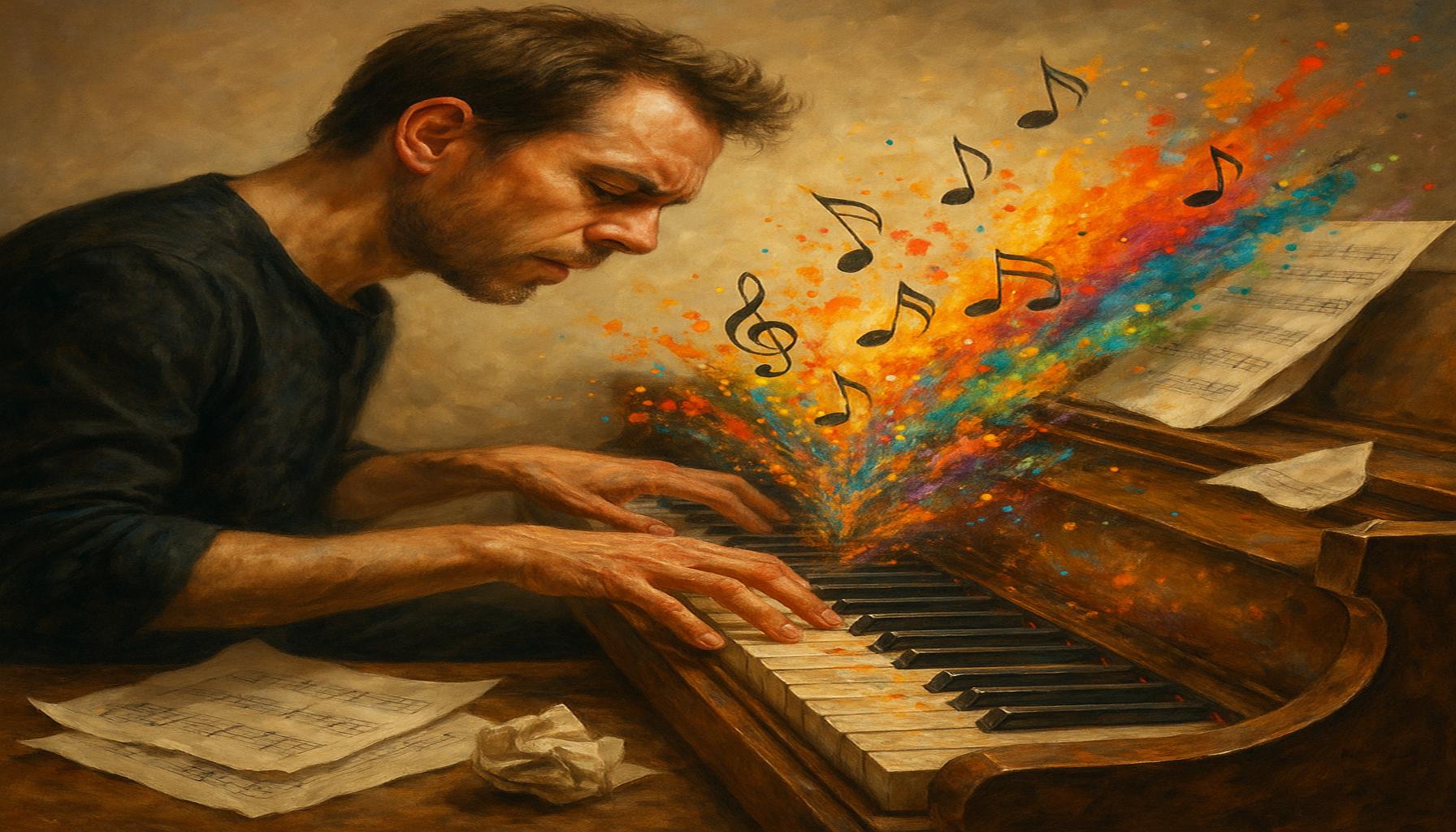
In a world where expression often takes shape in rigid structures, improvisation in music stands out as a powerful tool for personal creativity. This spontaneous form of artistry allows musicians to break free from conventional boundaries, leading to innovative sounds and personal growth. The beauty of improvisation lies in its ability to turn the unpredictable into art, enabling artists not only to entertain but also to communicate complex emotions and ideas in real time.
Consider the following ways in which improvisation enhances creativity:
- Experimentation: Improvisation encourages musicians to explore new ideas without the fear of making mistakes. For example, a jazz musician might experiment with unconventional scales and rhythms during a performance, leading to unexpected and unique sounds. This freedom fosters a creative playground where artists can push their limits, ultimately enhancing their musical vocabulary.
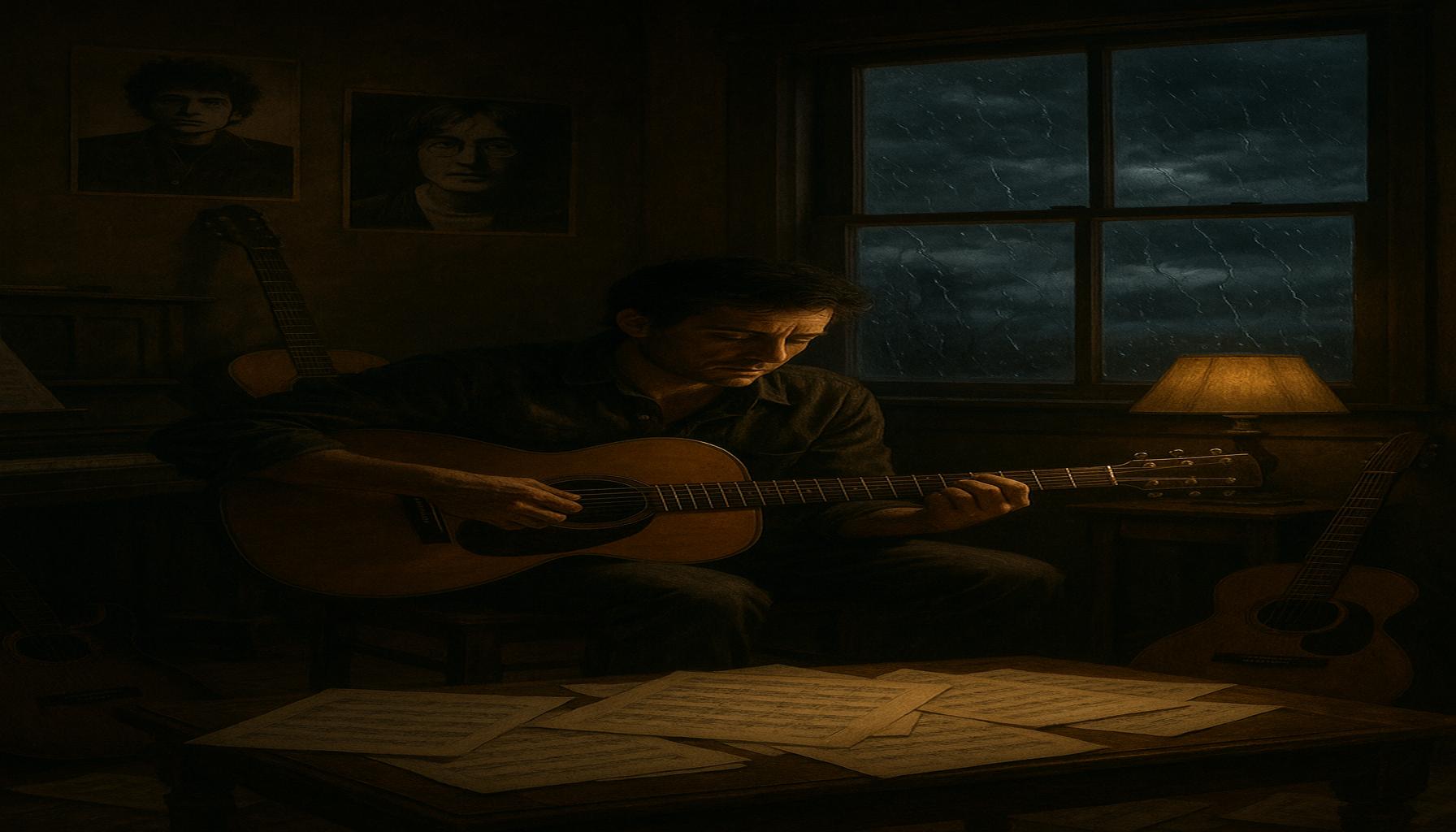
- Emotional Expression: It taps into feelings, allowing for genuine communication through sound. In blues, for instance, a guitarist may perform a solo that draws upon personal experiences, translating pain or joy into melodic phrases. This emotional authenticity resonates with audiences, creating a deep connection between the performer and listeners.
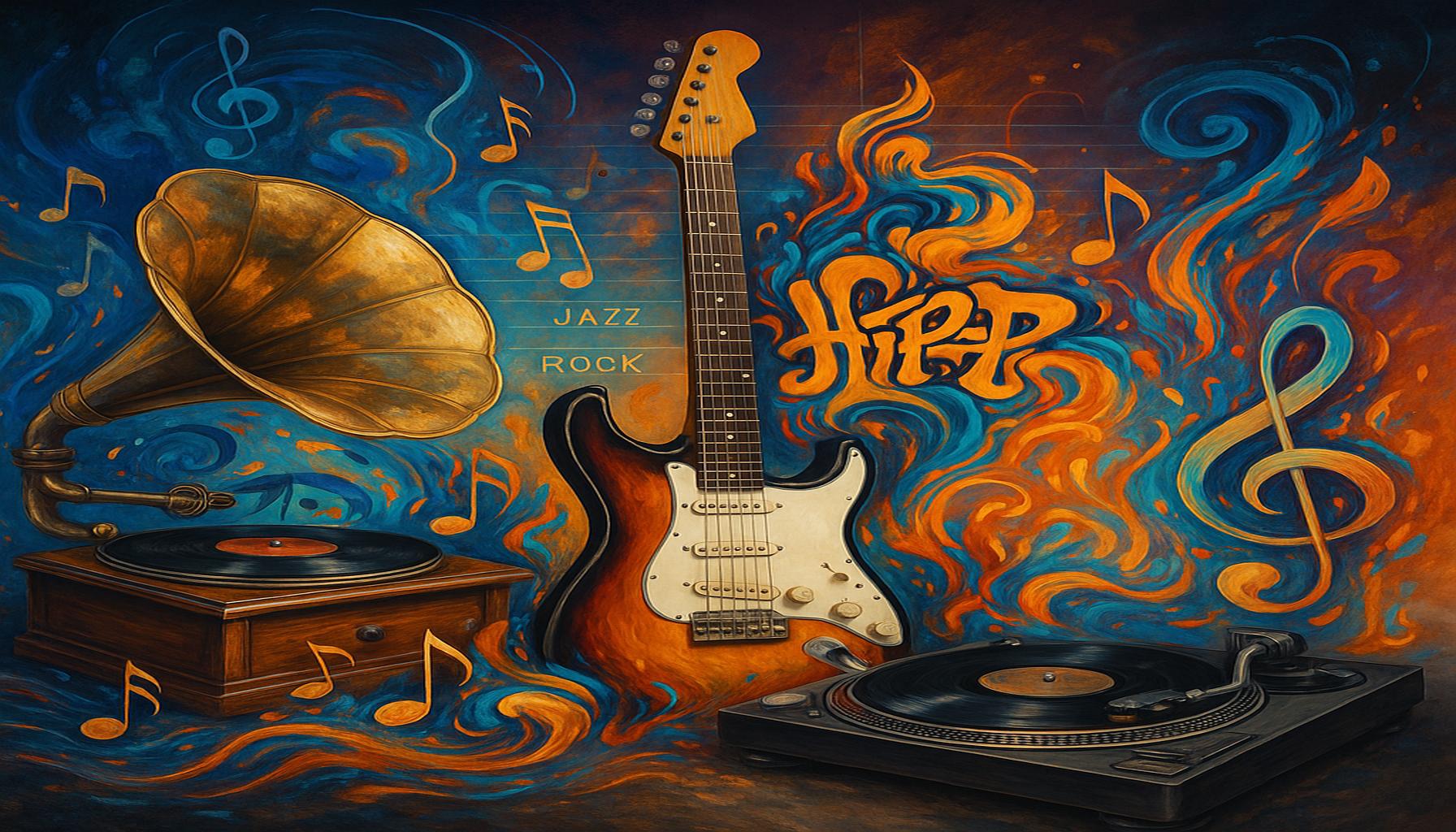
- Cultural Fusion: Artists blend different musical styles, creating unique fusion genres that resonate with diverse audiences. Contemporary musicians might meld elements of hip-hop with traditional folk music, breaking down cultural barriers and introducing listeners to new auditory experiences, exemplified by artists like Erykah Badu and her fusion of soul, hip-hop, and jazz.
Moreover, famous genres that thrive on improvisation include:
- Jazz: Known for its solo improvisation and harmonic exploration, jazz allows musicians to express their individuality. Iconic artists like Miles Davis and John Coltrane pushed the boundaries of form and structure through their breathtaking improvised solos, influencing generations of musicians.
- Blues: Often features improvised solos that convey deep emotional stories. Artists such as B.B. King and Stevie Ray Vaughan utilized guitar improvisation to deliver heartfelt narratives, making their music timeless.
- Rock: Bands frequently incorporate jam sessions to create spontaneous music. Groups like Grateful Dead and Phish are renowned for their willingness to explore new sonic landscapes during live performances, allowing concert-goers to experience a one-of-a-kind rendition of familiar songs.
By embracing improvisation, musicians not only refine their technical skills but also unlock new levels of creativity. This process enriches their musical journey and fosters a deeper connection to their art, making it an essential component of personal expression. As musicians venture into the realm of improvisation, they engage in a process of self-discovery—one that can inspire innovation and lead to groundbreaking musical developments. Dive deeper into the realm of musical improvisation and discover how it can transform your creative endeavors, potentially reshaping the future of your musical identity.
DIVE DEEPER: Click here to learn the significance of collaboration in music

Exploring the Dimensions of Improvisation in Music
Improvisation is not merely an impulsive act; it serves as a profound gateway for musicians to explore their emotional depth, technical skills, and cultural influences. At its core, musical improvisation is a multifaceted practice that allows for a fluid interaction between the artist, their instrument, and the audience. The intimate experience of creating music spontaneously fosters a dynamic exchange of energy, often leading to surprising and innovative musical outcomes.
Improvisation enriches musicianship by nurturing the following components:
- Flexibility and Adaptability: Musicians develop the ability to think on their feet, responding to changes in their environment—whether it’s an unexpected shift in tempo during a live jam session or an unanticipated call-and-response with the audience. This adaptability not only benefits performance but also enhances the musician’s overall creativity.
- Collaboration: Improvisation opens doors for collaborative efforts. When musicians come together to improvise, they engage in a conversation unlike any other. Each player contributes their ideas and interpretations, resulting in a unique amalgamation of styles and sounds. The synergy generated during these sessions can lead to extraordinary musical moments, exemplifying what true teamwork can achieve in artistry.
- Discovery of Personal Voice: Through improvisation, musicians embark on a path of self-discovery. They find their own unique sound and style as they experiment with varying techniques and influences. This journey may lead an artist to uncover aspects of their identity they had yet to articulate, ultimately fortifying their confidence and authentic expression.
The role of improvisation can be traced back through the annals of various musical genres, going beyond merely jazz or blues. It manifests in multiple forms across a wide spectrum:
- Classical Music: Many classical composers, like Bach and Beethoven, included improvised sections in their performances, showcasing their mastery and creativity. Contemporary classical musicians often engage in improvisation during concerts to explore interpretative freedom.
- Folk Traditions: Across the United States, folk music is rich with improvisation, revealing regional styles and personal stories. Musicians might share melodies, change lyrics, or adapt rhythms, ensuring the music evolves with each generation.
- Electronic Music: This genre thrives on improvisational techniques, with artists manipulating sound in real-time using synthesizers and other equipment. The unpredictability inherent in this process fosters a creative environment that continually pushes the boundaries of electronic soundscapes.
By recognizing and embracing the diversity of musical improvisation, artists can transform their creative processes, cultivating their unique voices and enhancing their collaboration skills. This exploration encourages both technical growth and emotional depth, unlocking an incredible potential for personal and artistic expression. As musicians leap into the unknown through improvisation, they not only navigate their own artistry but also navigate the very fabric of contemporary music.
| Advantages | Description |
|---|---|
| Enhanced Cognitive Skills | Improvisation stimulates brain function by requiring quick thinking and adaptability, enhancing problem-solving abilities. |
| Increased Emotional Expression | This form of creativity allows musicians to convey emotions and sensations that often go unexpressed, leading to deeper connections with the audience. |
| Promotes Individuality | Improvisation encourages musicians to develop a unique style that reflects their personal experiences and tastes, setting them apart from others. |
| Fosters Collaboration | Engaging in improvisational music promotes teamwork and communication among musicians, creating a dynamic collaborative atmosphere. |
In addition to these advantages, improvisation acts as a powerful bridge between technical skill and personal expression. Musicians who practice improvisation develop a keen sense of timing, phrasing, and dynamics, all of which are crucial elements in music production. Through the lens of improvisation, artists not only learn to navigate their instruments but also to push boundaries that conventional compositions may not allow. Moreover, the freedoms inherent in improvisation inspire artists to explore new musical genres and styles, fostering a spirit of experimentation that is essential for artistic growth. Whether playing in a casual jam session or a formal concert, the ability to improvise transforms music into a living art form that pulsates with the vibrancy of personal experience and creativity. The journey into improvisation not only enriches a musician’s craft but also opens doors to endless creative possibilities, inviting all to partake in this fascinating and dynamic process.
DIVE DEEPER: Click here to discover how music shapes creativity
The Evolution of Improvisation in Modern Music
The landscape of music is constantly evolving, and improvisation remains a vital component that shapes its direction. In today’s diverse music scene, the integration of improvisational elements transcends traditional boundaries, allowing artists to push creative limits and redefine their musical identities.
One notable example of this evolution can be seen within the hip-hop genre. The art of freestyle rap, where artists spontaneously create verses on the spot, exemplifies the role of improvisation in personal creativity. This practice not only showcases lyrical dexterity but also reflects the artist’s immediate thoughts and feelings, creating a raw and authentic connection with the audience. Many successful hip-hop artists, such as Eminem and Kendrick Lamar, have revitalized this traditional practice, demonstrating how improvisation fosters spontaneity and genuine expression in their music.
In addition to hip-hop, the realm of indie rock has embraced improvisation as a means of artistic exploration. Bands often engage in extended jam sessions during live performances, allowing them to create unique interpretations of their songs. This element of improvisation transforms their concerts into unforgettable experiences, as each performance becomes a distinct creation. By incorporating unique solos or reimagined choruses, bands like Fleet Foxes and Grateful Dead have cultivated devoted fanbases, eager to witness the ever-changing landscape of their musical journeys.
The incorporation of improvisation is also prominent in world music, where cultural traditions blend into an amalgamation of styles. For instance, in Indian classical music, improvisation through the use of ragas allows musicians to express their individuality within a structured framework. The versatility demonstrated in performances by artists such as Ravi Shankar highlights how culturally rooted improvisation can serve as a canvas for personal creativity, bridging traditions and inspiring contemporary artists worldwide.
Moreover, technology has opened up new avenues for musical improvisation. With the rise of digital audio workstations (DAWs) and music production software, musicians can experiment in ways that were previously unimaginable. They can loop, layer, and edit musical fragments in real-time, blurring the lines between performance and production. This virtuosity encourages exploration and spontaneity, allowing musicians to formulate ideas that resonate with their unique vision, as seen in innovative works by electronic music producers like Flying Lotus and Bonobo.
As the music industry continues to adapt and innovate, the importance of improvisation remains steadfast. Artists are increasingly recognized not just for their final products but for their creative processes, where improvisation plays a central role. It invites musicians to experiment with new styles, collaborate across genres, and communicate more profoundly with their listeners.
This ongoing transformation not only enriches the artist’s personal creativity but also contributes to a shared musical narrative that captivates audiences and inspires future generations. The exploration of improvisation serves as a catalyst for musical innovation, pushing the boundaries of what music can be. As musicians navigate their individual paths, they demonstrate the importance of embracing spontaneity and creativity in an ever-evolving artistic landscape.
DIVE DEEPER: Click here to discover more
Conclusion: Embracing the Art of Improvisation
In summary, the role of improvisation in music is not only a testament to a musician’s skill but also a profound expression of personal creativity. As we navigate through various musical landscapes—be it hip-hop, indie rock, or world music—the integration of spontaneous creation invigorates both the artist and the audience. This transformative practice allows musicians to break free from conventional molds, fostering uniqueness and authenticity in their art.
The impact of technology further enhances this vibrant form of expression, pushing the limits of how musicians can experiment and collaborate. With the power of digital tools, new avenues for improvisation are born, allowing creators to explore and redefine their musical landscapes in real-time. This innovation caters to a diverse range of styles, encouraging musicians to delve into their inner selves and share their stories with the world.
As improvisation continues to evolve within the music industry, it becomes increasingly crucial for artists to embrace this element as a core aspect of their creative identity. The ability to improvise not only enriches their own process but also invites audiences into a shared journey, creating authentic connections and lasting memories. For those interested in the multifaceted layers of music, investigating the power of improvisation can yield insights that inspire both personal and collective creativity. Ultimately, it is through this continuous exploration that music will forever remain a dynamic force of expression, innovation, and community.