Exploring the Intersection of Music and Technology: Innovations that Transform Musical Creation
Transformative Tools in Music Creation
The landscape of music creation is undergoing a revolution, fueled by the remarkable innovations in technology. Musicians and composers are not merely adapting but are also embracing these advancements to redefine and reshape their artistry. In a time where accessibility and creativity go hand in hand, artists from diverse backgrounds are making waves in the industry.
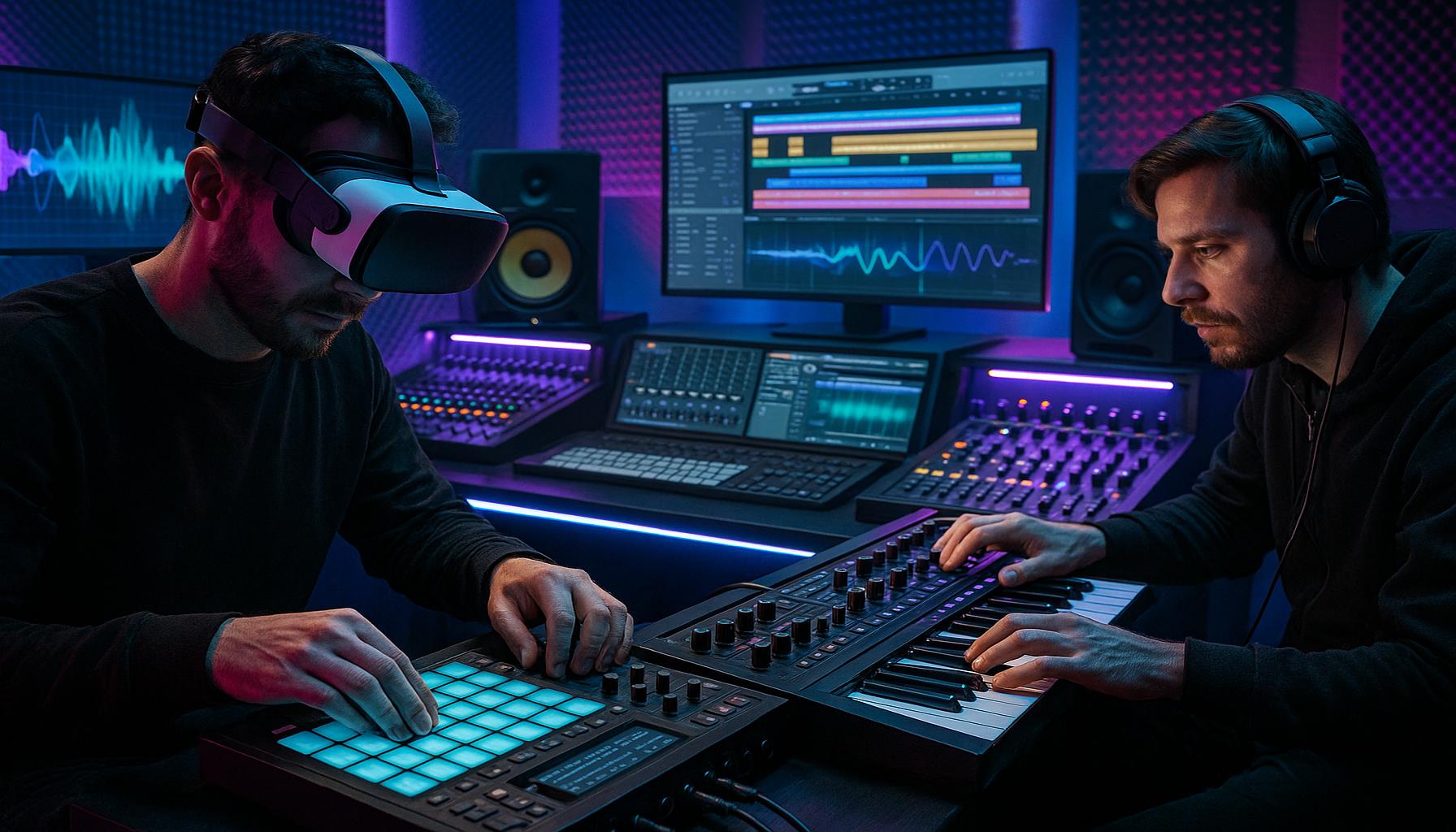
One of the most significant breakthroughs has been the introduction of Digital Audio Workstations (DAWs). Programs like Ableton Live, FL Studio, and Logic Pro X allow artists to compose, edit, and mix music with unparalleled ease. These platforms are not just traditional recording studios on a computer; they offer a multitude of plugins, virtual instruments, and recording capabilities that empower musicians to seamlessly produce high-quality tracks from their home studios. For instance, the accessibility of DAWs has led to the emergence of bedroom producers who turn laptops into professional studios, leading to a democratization of music production.
Innovative Instruments: Synthesizers and Samplers
Moreover, synthesizers and samplers have transformed the sonic landscape. Instruments like the Yamaha DX7 synthesizer and various modern samplers allow musicians to manipulate sounds in ways previously thought impossible. Synthesizers enable the creation of entirely new sounds by using waveforms to generate audio, while samplers allow artists to capture real-world sounds and alter them. This has birthed new musical genres, such as electronic dance music (EDM) and lo-fi hip-hop, which heavily rely on these technologies. Artists like Daft Punk and Billie Eilish utilize these tools to craft innovative soundscapes that differentiate their music from the mainstream.
Artificial Intelligence and Composition
The role of AI-driven composition tools marks another frontier in musical innovation. Software such as AIVA and OpenAI’s MuseNet can analyze vast databases of existing music to generate compositions, whether it be a full orchestral score or a catchy pop melody. These AI algorithms do not just mimic existing styles; they can combine genres, offering musicians fresh perspectives and creative pathways. For instance, pop artists like Taryn Southern have successfully collaborated with AI to produce entire albums, pushing the envelope of what defines human creativity versus machine-generated artistry.
The New Era of Live Performance
In addition, advancements like virtual reality (VR) and augmented reality (AR) are crafting immersive musical experiences. For example, platforms like Oculus have hosted VR concerts where audiences can participate from their living rooms, experiencing music in a way that transcends physical limitations. These concerts allow for unique interactions between artists and fans, creating a participatory culture that was previously unattainable. On the other hand, AR applications, such as those by Magic Leap, enable performers to seamlessly weave digital visual elements into live shows, enhancing the sensory experience of music.
As we delve deeper into the unique relationship between music and technology, we uncover how these transformative innovations not only enhance creative possibilities but also influence the music industry as a whole. By providing new platforms and tools for musicians, technology opens the door for diversity in sound and representation. This exploration invites musicians, enthusiasts, and technophiles alike to discover the new frontiers of musical creation, encouraging them to embrace the endless opportunities that lie ahead.
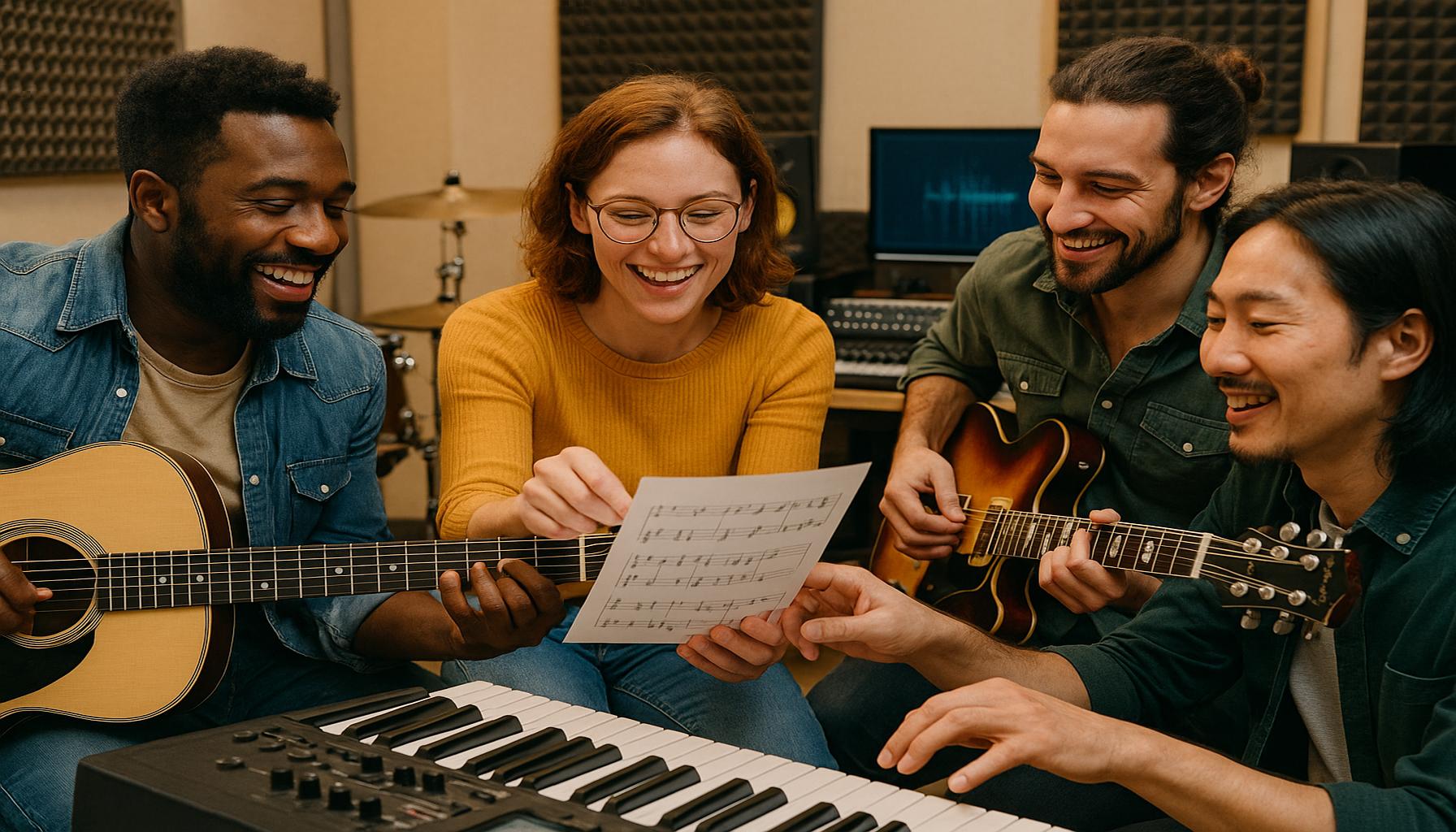
DIVE DEEPER: Click here to discover the power of collaboration in music
New Possibilities in Music Production
As the fusion of music and technology continues to evolve, the impact on the creative process is nothing short of revolutionary. With the rush of innovation, traditional music production methods are being reimagined. Gone are the days when a recording studio was a distant dream for many aspiring musicians. Today, the tools of creation are more accessible than ever, prompting an explosion of originality and diverse musical expression.
The advent of mobile music production apps has contributed significantly to the democratization of music creation. Applications such as GarageBand, Beatmaker, and FL Studio Mobile enable artists to compose and produce with just a smartphone or tablet. This level of portability allows musicians to capture inspiration whenever and wherever it strikes. As a result, we are witnessing a shift in how songs are crafted—artists can collaborate in real-time, exchanging ideas across vast distances and creating music that reflects a tapestry of influences and backgrounds.
The Role of Online Collaboration Platforms
The proliferation of collaboration platforms like Splice and SoundBetter has further transformed how musicians interact and share their work. These platforms offer a space for artists to connect with producers, vocalists, and instrumentalists from around the globe, fostering an environment where creativity knows no borders. The ability to share projects and files with just a click has revolutionized teamwork in music creation. Here are a few key features of these platforms:
- Real-Time Collaboration: Musicians can see edits as they happen, making it easier to build and refine songs together.
- Access to Resources: Users can find a wide array of sounds, samples, and professional contributions that enhance their projects.
- Community Feedback: Artists can share their work with a broader audience, inviting constructive criticism and insights that can sharpen their craft.
The integration of cloud storage in music production workflows further exemplifies how technology facilitates a seamless experience. Services like Google Drive and Dropbox allow musicians to store and share large files without the fear of data loss, promoting collaboration without the constraints of physical space. This means that even a bedroom producer can collaborate with seasoned professionals, leading to unexpected and dynamic musical outcomes.
Embracing the Future: Blockchain and Music
One of the most fascinating developments in the music industry is the application of blockchain technology. This technology offers a new way for artists to protect their intellectual property and receive fair compensation for their work. Platforms like Audius and Vezt allow musicians to retain control over their music, eliminating the middleman and potentially revolutionizing the traditional music distribution model. By recording transactions on a secure ledger, artists can ensure transparency and fairness in how their revenue is generated, impacting how music is consumed in a digital age.
As we venture deeper into this exciting landscape, it becomes crucial for both new and established artists to adapt to a world where technology is an inseparable part of musical expression. The intersection of music and technology invites us all to explore the rich possibilities that await, inspiring creativity and shaping the future of the music industry.
Innovative Tools and Platforms Revolutionizing Music Creation
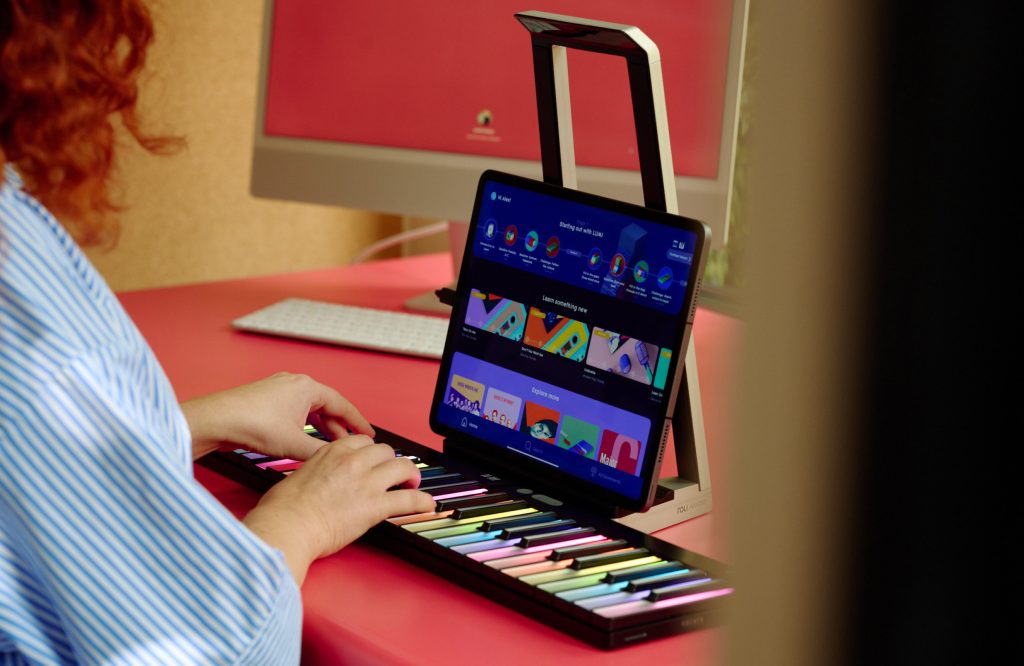
The world of music creation is in the midst of an extraordinary transformation, thanks to technology. From sophisticated music production software to creative musical hardware, the options available to aspiring and experienced musicians are expanding rapidly. These advancements empower artists with tools that enable a truly unique and personalized creative process. One notable innovation is the rise of digital audio workstations (DAWs), which allow musicians to compose, record, and edit music with unparalleled ease. Software like Ableton Live, Logic Pro, and FL Studio have democratized music production, making professional sound quality achievable for everyone. These DAWs offer a plethora of features, such as real-time collaboration. This enables artists from different locations to create and refine their projects collectively, breaking geographical barriers.Another significant aspect to consider is the integration of artificial intelligence (AI) in music creation. AI tools like Amper Music and AIVA allow users to generate original compositions by simply inputting specific parameters. This innovative approach not only saves time but also enhances creativity by introducing aspects that musicians might not have considered. Moreover, AI can analyze trends in the music industry, assisting artists in creating music that resonates with listeners.Additionally, technologies like virtual reality (VR) and augmented reality (AR) are beginning to infiltrate live performances and music videos. Imagine immersing yourself in a VR concert where the environment reacts to the music, or an AR-enhanced music video that allows viewers to interact with audiovisual elements. These experiences raise the bar for how we engage with music, transforming passive listening into an active and captivating experience.Incorporating new smart instruments is also on the rise. Devices like the Roli Seaboard, which features a touch-sensitive surface, usher in an era where musicians can express themselves in new ways. Such instruments blur the lines between traditional playing and digital manipulation, allowing for a fluid, evolving approach to music creation.Overall, as we continue to explore this intersection of music and technology, the innovations shaping the future of musical creation are both fascinating and impactful. The options available today empower musicians to transcend traditional boundaries, creating a vibrant and diverse soundscape that reflects the technological prowess of our times.
| Category | Key Features |
|---|---|
| Digital Audio Workstations (DAWs) | Empowers musicians with tools for composition, recording, and real-time collaboration. |
| Artificial Intelligence (AI) | Generates original compositions and analyzes music trends for stylistic guidance. |
| Virtual and Augmented Reality | Creates immersive experiences in live performances and music videos. |
| Smart Instruments | Blends traditional playing with digital manipulation for innovative sound creation. |
DON’T MISS: Click here to discover the power of collaboration in music
The Impact of Artificial Intelligence on Music Creation
Artificial Intelligence (AI) is rapidly reshaping the landscape of music creation, opening new avenues for artistic expression that were previously unimaginable. AI-driven platforms are now capable of composing original music, generating unique melodies, and even mimicking the styles of iconic artists. Software like OpenAI’s MuseNet and Google’s Magenta project reflect a growing trend where algorithms can analyze vast datasets of existing music and create compositions that resonate with human listeners. These innovations raise intriguing questions about the role of the artist in the creative process.
One remarkable aspect of AI in music is its ability to assist in music composition. Tools such as Amper Music and AIVA can produce entire tracks based on user-defined parameters like genre, mood, and instrumentation. This not only accelerates the creation process but also allows artists to experiment with sounds they may not traditionally explore. For instance, an indie musician may rely on these AI platforms for generating orchestral arrangements, thereby expanding their musical palette and enriching their songs.
AI-Enhanced Personalization in Music Consumption
In parallel with its creative applications, AI is significantly transforming how listeners consume music. Streaming services like Spotify and Apple Music utilize sophisticated algorithms to curate personalized playlists, understand user preferences, and recommend new tracks tailored to individual tastes. This dynamic interactivity drives engagement and encourages users to discover emerging artists, further diversifying the music ecosystem.
The recommendation engines powered by AI analyze listener behaviors, such as skips, likes, and shares, to refine their suggestions continuously. This real-time feedback loop ensures that users receive music that resonates with them, fostering a more engaged audience that contributes to the success of up-and-coming musicians. With listeners empowered to interact closely with the platform, artists benefit from increased visibility, setting them up for collaborative opportunities on a larger scale.
Virtual Reality: An Immersive Concert Experience
As the music industry navigates the future, the integration of Virtual Reality (VR) and Augmented Reality (AR) provides a new dimension to live performances. Artists are beginning to host virtual concerts that allow fans from around the world to participate in immersive experiences from the comfort of their homes. Platforms like Oculus Venues enable fans to enjoy real-time concerts in 3D environments, creating a sense of presence that traditional streaming cannot replicate.
Moreover, VR technology offers artists a creative outlet for creating visuals that sync harmoniously with their music, heightening the overall experience. This level of innovation encourages artists to think outside the box, breaking traditional barriers between music, visual art, and performance. Attending a concert has evolved from a passive experience to one where fans can actively engage with both the music and its surrounding environment.
The ability to attend virtual concerts or music festivals also opens greater accessibility for audiences who may have geographical or physical limitations. In a country as vast as the United States, where live performances can be confined to specific cities, VR technology transforms how fans experience music, ensuring that distance no longer dictates the ability to connect with their favorite artists.
The intersection of technology and music continues to drive profound innovations, inviting artists and listeners alike to embrace a future rich with creative possibilities. As AI, VR, and cloud-based collaborations seamlessly integrate into musical creation, they not only redefine the role of the artist but also enhance how audiences interact with music on an unprecedented scale.
DISCOVER MORE: Click here to learn about the power of collaboration
Conclusion: Embracing the Future of Music Creation
The interplay between music and technology has ushered in a transformative era that is reshaping the very foundations of musical creation and consumption. Innovations like Artificial Intelligence have democratized music composition, making it accessible for artists of varying backgrounds. From generating complex arrangements to creating personalized playlists, AI enhances not only creativity but also deepens listener engagement. Streaming platforms, equipped with intelligent recommendation algorithms, open doors for both established and emerging musicians, allowing them to thrive in an increasingly diverse musical ecosystem.
Furthermore, as Virtual Reality continues to unravel new possibilities for live performances, the concept of a concert is evolving beyond traditional settings. Immersive experiences where fans can enjoy 3D concerts from their living rooms signify a breakthrough in accessibility and interaction, ensuring geographical barriers no longer hinder the connection between artists and their audiences. As these technologies evolve, they provide innovative platforms for collaborative artistic expressions that blend music with other visual mediums.
As we stand on the brink of an exhilarating future, it is essential for artists, listeners, and industry stakeholders to embrace these technological advancements. By doing so, they can harness the full potential of innovations that not only enhance the creative process but also foster a deeper and more meaningful relationship with music. The journey ahead promises to be rich with opportunities, as the dynamic fusion of technology and music continues to inspire a new generation of creators and listeners alike.