How Learning a Musical Instrument Can Transform Your Lifestyle

Understanding the Impact of Music on Life
Music is a universal language, and its influence can permeate many facets of our lives. Engaging in music transcends mere enjoyment; it can serve as a valuable tool for personal growth and development. Whether you are strumming a guitar in your living room or playing the piano in a concert hall, the act of creating music can bring about profound transformations. As we explore the multifaceted benefits of learning to play a musical instrument, we uncover opportunities for enhancing cognitive abilities, emotional health, and social interactions.
Cognitive Growth
Studies consistently show that music education is linked to improved memory and problem-solving skills. A Stanford University study even highlighted how playing an instrument enhances brain functions responsible for complex reasoning. For instance, children who study music often perform better in math and language tests. This cognitive boost is attributed to the way music engages both hemispheres of the brain and encourages neural plasticity—the brain’s ability to form new connections. As adults, musicians may experience delayed cognitive decline, making lifelong learning and engagement in music a powerful ally against aging.
Emotional Well-being
Beyond cognitive benefits, engaging with music offers significant emotional solace. Playing an instrument can serve as a therapeutic outlet for stress relief. Whether it’s the gentle strumming of an acoustic guitar or the rhythmic pounding of a drum, music acts as a natural stress reliever that releases dopamine, a neurotransmitter linked to pleasure and reward. Many musicians report feeling a heightened sense of relaxation and improved mood after a jam session or practice. During times of emotional turmoil, creating or listening to music can help individuals process their feelings and foster resilience.
Social Connections
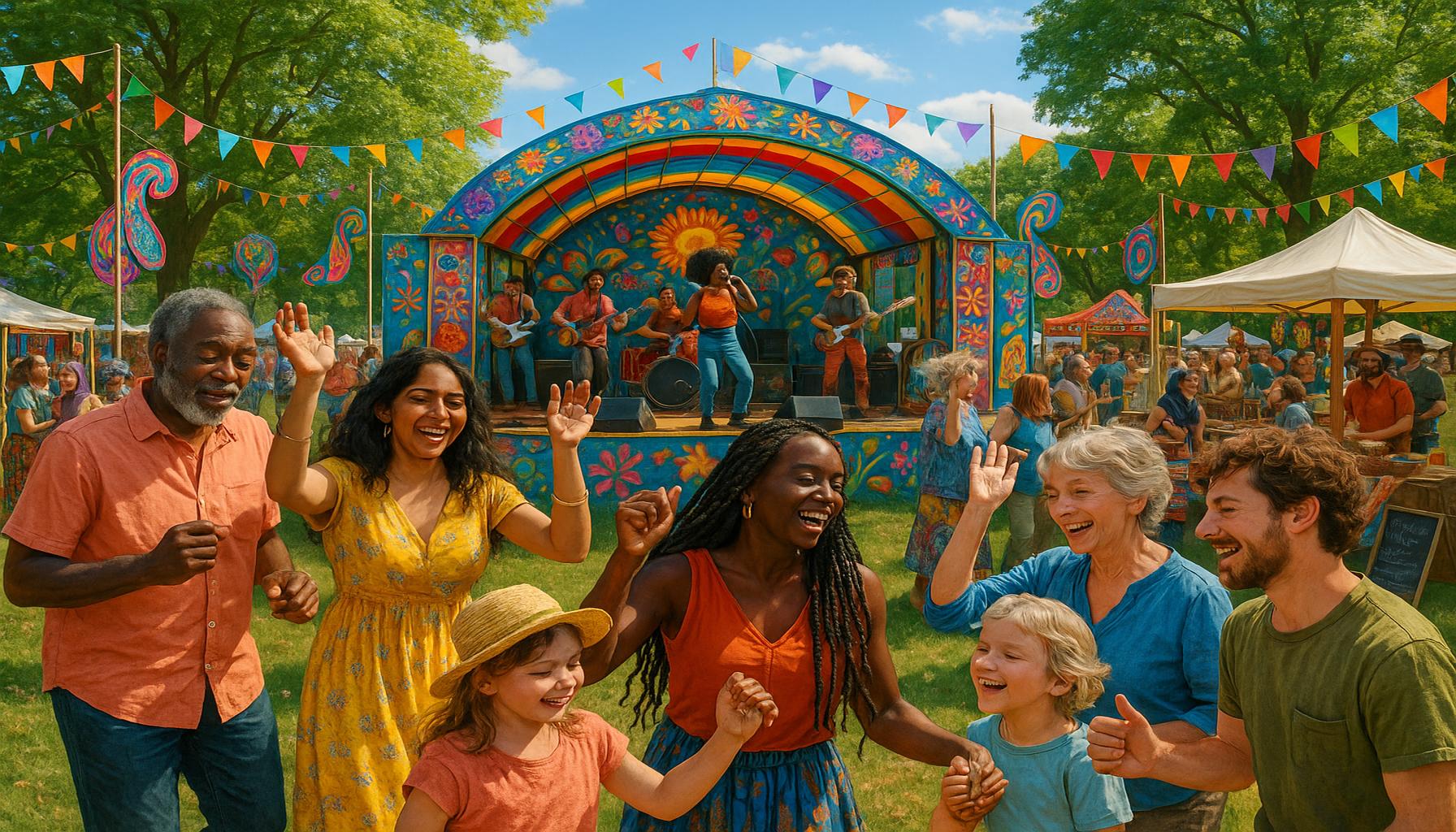
Playing an instrument can also unlock new social opportunities. Engaging in music, whether in a band, orchestral setting, or group class, allows individuals to forge meaningful connections with others. These social interactions can foster invaluable friendships and a sense of community. For example, local music clubs often host events where musicians of all skill levels can come together to share their craft, celebrate each other’s talents, and support one another on their musical journeys. Such environments can be both welcoming and encouraging, breaking down social barriers.
Discipline and Patience
The journey of mastering an instrument is one steeped in discipline and patience. Success does not come overnight; it requires consistent practice, goal-setting, and hard work. This dedication can cultivate a sense of responsibility and focus that translates into other areas of life—a skill set that serves well in academic pursuits or professional careers. For example, a young violinist preparing for a recital learns the value of perseverance, which is an essential trait that can enhance their approach to challenges in school or work.

Creative Expression
Perhaps the most poignant effect of learning to play an instrument is the avenues it creates for creative expression. Music becomes a void where emotions, thoughts, and experiences can be woven into sound. Musicians often use their craft as a way to navigate personal journeys, transforming feelings of joy, sorrow, or nostalgia into something tangible. This artistic outlet not only enriches the musician’s life but can also resonate deeply with listeners, fostering empathy and understanding.
By exploring these myriad benefits of music, it becomes clear that the endeavor to learn a musical instrument can lead to rich and rewarding experiences. Whether aiming for cognitive development, emotional resilience, or forming new friendships, engaging with music offers invaluable tools for personal transformation. As you embark on or continue your musical journey, remember that each note, each chord, leads you closer to a more fulfilled, joyous life. The rhythm of music is not just a backdrop; it is a companion in the grand symphony of existence.
DISCOVER MORE: Click here to uncover the impact of folk music
The Multifaceted Benefits of Learning an Instrument
Embarking on the journey of learning a musical instrument can catalyze significant change in various aspects of life. While the allure of melodies and harmonies is undeniable, it is the underlying benefits that often create a lasting impact on one’s lifestyle. From fostering cognitive enhancement to nurturing emotional well-being and building social connections, music serves as a powerful educational medium. Here, we delve deeper into how learning a musical instrument can lead to transformative life changes.
Cognitive Enhancement
Learning to play an instrument sharpens mental faculties and stimulates cognitive development. Research from notable institutions like Harvard University suggests that musicians not only excel in complex reasoning, but they also process information more efficiently. Music training involves reading notes, understanding rhythms, and coordinating physical actions, which all contribute to enhanced brain function. For aspiring students, engaging with music can improve attention spans and create a more focused mindset. These skills not only enhance academic performance but also yield long-term advantages, helping individuals tackle life’s myriad challenges.
Emotional Intelligence
When individuals learn to play an instrument, they gain access to a unique means of emotional expression. Music can evoke powerful feelings, allowing musicians to articulate complex emotions that may be difficult to convey through words. This emotional outlet can foster greater self-awareness and empathy. For instance, a study by the University of California, Berkeley, found that musicians often develop heightened emotional intelligence, enabling them to connect more deeply with others. Engaging with music can help in processing feelings of joy, sadness, or frustration, providing a healthy channel for emotional release and resilience.
Social Skills and Community Building
Beyond personal development, music naturally creates connections among people. The experience of learning an instrument often grows richer through performance and collaboration. Whether joining a band, participating in open mic nights, or attending jam sessions, musicians find themselves immersed in vibrant communities.
- Collaborative learning fosters teamwork and camaraderie.
- Musicians with similar interests often share knowledge and skills.
- Participating in music events promotes a sense of belonging and acceptance.
These social interactions are crucial, especially in a world that often feels fragmented. Establishing relationships through shared musical experiences can dramatically enrich one’s life.
Structured Routine and Discipline
Learning a musical instrument requires dedication and consistency. Musicians must allocate time for practice, set personal goals, and confront challenges with determination. This commitment cultivates discipline that transcends music and spills over into other areas of life. For students balancing coursework or professionals managing careers, the time-management skills acquired through musical practice can enhance productivity and efficiency. Moreover, achieving milestones in music—be it mastering a complicated piece or performing for an audience—instills a sense of accomplishment that fuels confidence and motivation.
The pursuit of music encompasses a rich tapestry of benefits, making the act of learning an instrument a transformative endeavor. As we continue to explore the connection between music and lifestyle transformation, the evidence becomes ever clearer: the rewards of engaging with music extend far beyond the confines of a practice room. From cognitive gains to emotional resilience and robust social ties, the act of creating music can profoundly enrich individual lives.
Learning a musical instrument is a profound journey that not only enhances one’s artistic skills but also significantly transforms various aspects of life. The process of learning music engages both the brain and the body, providing a unique avenue for personal development. Beyond the joy of making music, the psychological and physiological advantages are transformative. Here are key aspects to consider:
| Category | Details |
|---|---|
| Mental Development | Learning an instrument enhances cognitive abilities such as memory, attention, and problem-solving skills. |
| Emotional Benefits | Playing music can reduce stress, boost mood, and promote emotional expression. |
| Social Interaction | Joining music groups fosters friendships and provides a sense of community. |
| Discipline and Patience | Regular practice instills a sense of discipline and the ability to stick with challenging tasks. |
These categories illustrate how the journey of mastering an instrument can create a ripple effect, affecting not only individual skills but also enhancing quality of life in unexpected ways. Whether it is through social interactions or personal growth, learning a musical instrument can propel one into a more enriched lifestyle. Curious about further benefits? Stay tuned as we delve deeper into how music can also enhance physical health and ignites creativity.
DISCOVER MORE: Click here to learn how folk music can enhance your creativity
Building Life Skills Through Music
In addition to its cognitive and emotional benefits, learning to play an instrument also fosters the development of critical life skills that are invaluable across various spheres of existence. From improved communication to enhanced problem-solving abilities, the skills gained through music education can significantly impact one’s personal and professional life.
Effective Communication
Music is a universal language, transcending cultural and linguistic boundaries. When learning an instrument, individuals are not only grasping technical aspects but are also translating emotions and ideas into sound. Mastering this skill enhances one’s ability to communicate effectively both verbally and non-verbally. For example, ensemble playing requires musicians to listen attentively to one another, reinforcing the importance of active listening and responsiveness. These skills can be particularly beneficial in professional settings where collaboration and clear communication are paramount.
Enhanced Problem-Solving Skills
The intricate nature of musical composition and performance invites challenges that demand creative solutions. By navigating difficulties such as complex chord progressions or syncopated rhythms, individuals learn to approach problems methodically and creatively. Developing a solution-oriented mindset can lead to better decision-making abilities in everyday life. Research from the International Journal of Music Education indicates that students involved in music education show superior problem-solving skills compared to their non-musical peers, particularly in mathematical reasoning and critical thinking.
Resilience and Coping Mechanisms
The journey of learning an instrument is replete with ups and downs. From initial struggles to eventual mastery, musicians inevitably encounter failures that require resilience to overcome. Handling setbacks and persevering through challenges builds mental toughness. A study published in the journal Psychology of Music showcased that musicians who experience performance anxiety learn to develop coping strategies to manage stress effectively, translating these techniques to other life scenarios. This resilience can be especially beneficial during challenging times, whether in school, work, or personal relationships.
Creativity and Self-Expression
Learning an instrument allows individuals to tap into their creative potential and express themselves in unique ways. Creativity is not merely confined to artistic endeavors; it spills over into problem-solving, innovation, and personal expression. Encouraging creativity through music fosters out-of-the-box thinking, a skill highly valued in today’s rapidly changing workforce. The National Endowment for the Arts has found a strong correlation between arts education and improved innovation and creative abilities in various fields, underscoring the role of musical training in entrepreneurial thinking.
Health and Well-Being
The act of playing music is not only therapeutic but has also been linked to numerous physical health benefits. Engaging with music reduces stress levels, lowers blood pressure, and even boosts the immune system. A study from the University of Melbourne demonstrated that individuals who participate in making music show significant improvements in their overall sense of well-being and life satisfaction. This correlates with the growing trend of music therapy being utilized in medical settings, showcasing the holistic benefits of music beyond mere performance.
As we continue to explore the transformative effects of learning a musical instrument, it becomes increasingly evident that the benefits extend far and wide. From enhancing communication and problem-solving skills to promoting creativity and well-being, engaging with music opens doors to life changes that can profoundly impact one’s lifestyle.
DISCOVER MORE: Click here to learn about the power of collaboration
Final Thoughts: The Lifelong Benefits of Music Education
In conclusion, the journey of learning a musical instrument offers a wealth of transformative benefits that extend into every aspect of life. Beyond merely mastering notes and rhythms, engaging with music cultivates essential skills such as effective communication and enhanced problem-solving abilities. These skills not only contribute to personal fulfillment but also position individuals for success in their professional endeavors.
Moreover, the experience of navigating the challenges of musical training fosters resilience and equips learners with invaluable coping mechanisms. This mental fortitude can assist individuals in overcoming obstacles in various areas of their lives, from academics to career development and interpersonal relationships. Additionally, the act of self-expression through music taps into one’s creativity, nurturing innovative thought processes that resonate within today’s dynamic workplace.
Perhaps most importantly, the health benefits associated with playing an instrument cannot be overlooked. Increased well-being, lower stress levels, and improved emotional health are just a few of the dividends garnered from regular musical engagement. As evidenced by research and expert analysis, the positive implications of music education are profound, enhancing not only individual lifestyles but also contributing to broader societal improvements.
As you reflect on the myriad of ways that learning a musical instrument can transform your lifestyle, consider the opportunities for growth and connection that await. Whether you are a beginner or revisiting an old passion, the world of music invites exploration and discovery, opening doors to a fuller, richer life.