The Importance of Collaboration in Creative Music Projects
Exploring Collaboration in Music
In the ever-evolving landscape of the music industry, artists are increasingly recognizing the transformative power of collaboration. This synergy can lead to revolutionary results, where musicians combine their unique talents and backgrounds, resulting in innovative creations that often exceed what any individual could achieve alone. The significance of collaboration in creative music projects is paramount, as it fosters growth, sparks inspiration, and enhances the overall musical experience.
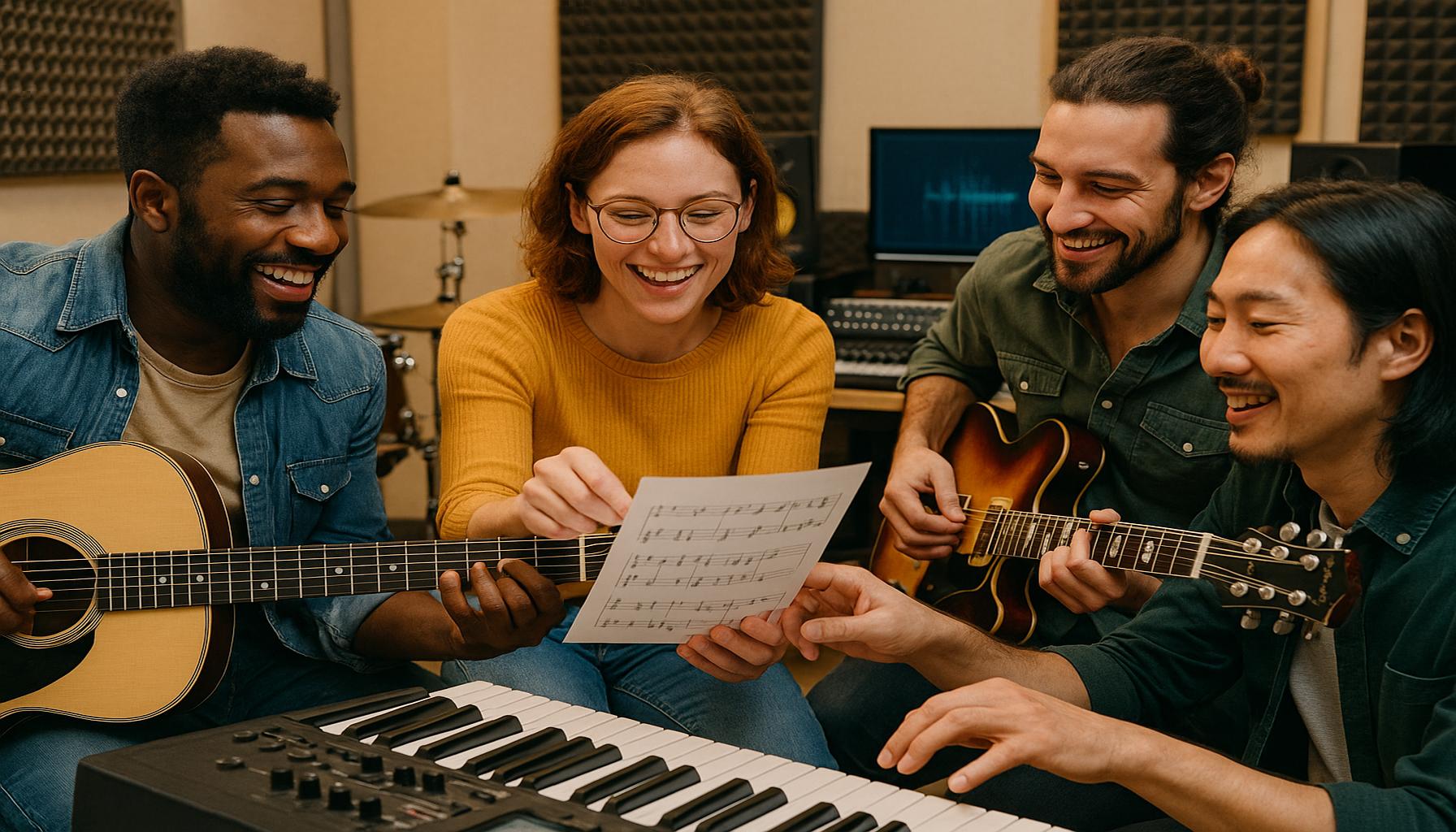
Diverse Skill Sets: One of the most significant advantages of collaboration is the blending of various skill sets. For instance, consider a partnership where a songwriter teams up with a skilled instrumentalist or producer. Each collaborator brings their unique expertise to the table, whether it’s crafting evocative lyrics, producing intricate beats, or playing skillful instrumentation. This diversity allows for the exploration of musical styles and techniques that may not be accessible to solo artists, creating a richer and more complex sound.
Increased Inspiration: Working with others can reignite an artist’s passion and creativity. The exchange of ideas often leads to a fresh perspective, helping individuals break through creative blocks. For example, the collaboration between Nashville-based artists often leads to a fusion of country and rock, generating new sub-genres and hits. The mutual encouragement found within a creative partnership can reinvigorate an artist’s enthusiasm and lead to unique melodies and innovative song structures.
Expanded Network: Collaborative efforts also have the power to broaden an artist’s audience. When musicians from different backgrounds join forces, they tap into each other’s fan bases, significantly increasing exposure. For instance, when Drake collaborated with artists like Rihanna, both benefited from the increased visibility, creating an entwinement of styles that appealed to a wider audience. This network expansion is especially crucial for newer artists looking to establish themselves in a competitive industry.
Throughout history, numerous iconic partnerships have left an indelible mark on music. The legendary pairing of Elton John and Bernie Taupin showcases how complementary talents can produce timeless classics, with their collaboration resulting in unforgettable tracks like “Your Song” and “Rocket Man.” More recent collaborations, such as Post Malone teaming up with Swae Lee on “Sunflower,” illustrate the power of crossing genres—from hip-hop to pop—to create chart-topping hits that resonate across various demographics.

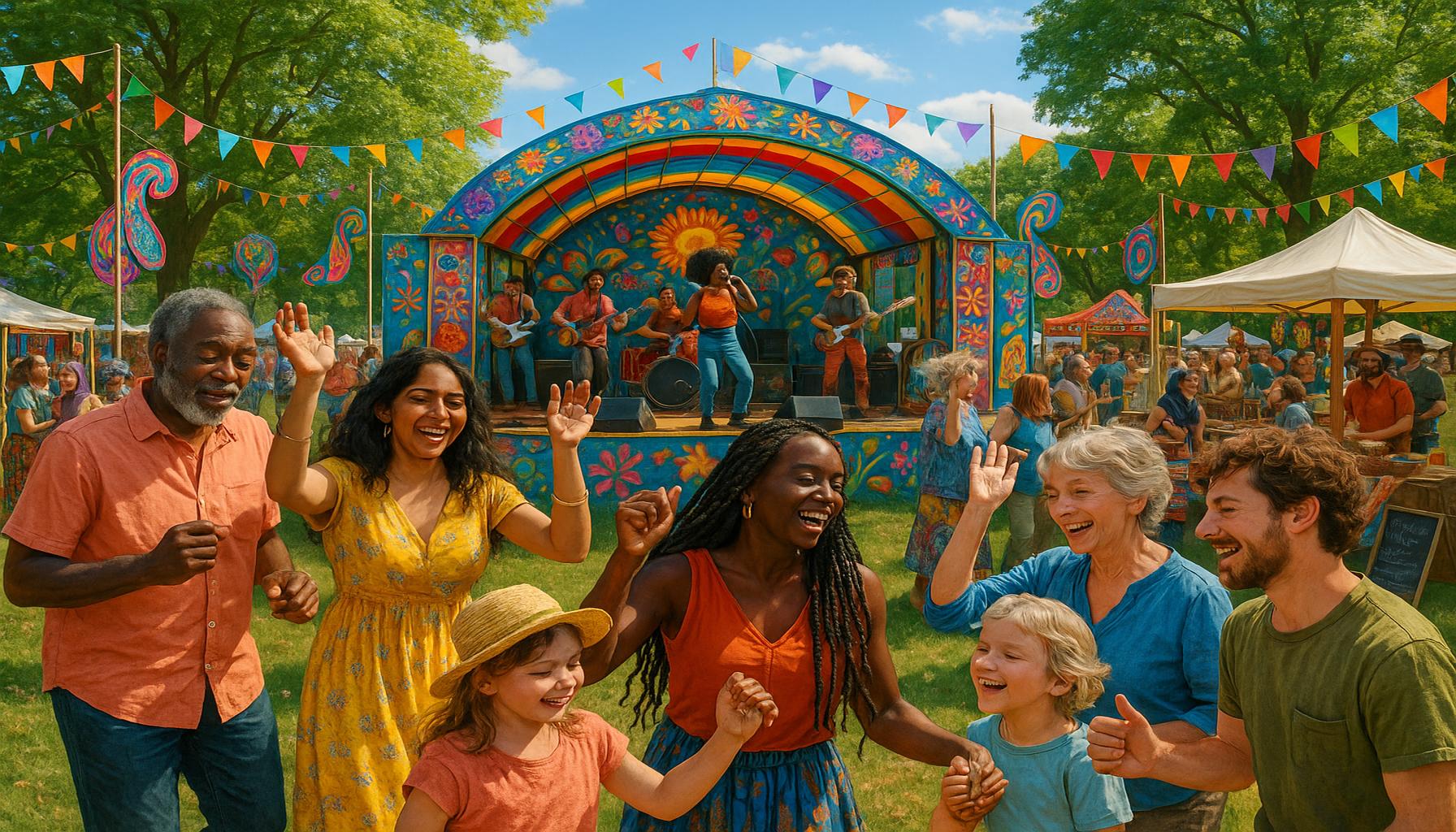
Additionally, collaboration nurtures a sense of community within the music industry. Artists often share their experiences and knowledge, fostering an atmosphere where creativity can thrive. This communal spirit is increasingly important in today’s fast-paced industry, where trends can shift rapidly, and staying relevant can be challenging. By working together, musicians not only create compelling art but also build support systems that empower them to adapt and grow.
As we examine the intricacies of collaboration in music, it becomes evident that the creative synergies generated are profound. Understanding these dynamics can fundamentally transform how artists approach their projects, elevating their work to new heights. Collaborative ventures not only enhance individual artistry but also contribute to the rich tapestry of music culture, encouraging others to explore the benefits of partnership in their creative endeavors.
Bridging Musical Gaps Through Collaboration
The significance of collaboration in creative music projects extends beyond mere artistic expression; it transforms the very fabric of the musical landscape. When artists collaborate, they create a harmonious blend that transcends individual styles and influences. This phenomenon is not just a modern trend but a historical tool that has consistently pushed musical barriers and created masterpieces.
Mutual Learning and Growth: Collaboration serves as a fertile ground for mutual learning where artists benefit from each other’s experiences. A seasoned musician may introduce innovative techniques to a contemporary artist, helping them refine their craft. Conversely, newer artists often bring a fresh perspective that challenges established norms. For instance, the collaboration between pop star Ariana Grande and rapper Nicki Minaj has yielded hits that marry pop sensibilities with rap dynamics, showcasing how artists from differing genres can grow through collaboration.
Expanded Creative Horizons: When musicians from disparate genres come together, the result is often a unique and groundbreaking fusion. This cross-pollination can challenge pre-existing notions about what a certain genre should be. Think of the collaboration between Jay-Z and Linkin Park on the album “Collision Course,” which infused rap with rock elements, generating new audiences and a deeper appreciation for both styles. Such collaborations not only enhance musical diversity but also invite listeners to explore unfamiliar territories.
Moreover, blending multiple influences can facilitate the exploration of new themes and messages within songs. Artists involved in a collaborative effort can share personal stories, drawing on their diverse backgrounds, and weaving them into a singular narrative that resonates with a broader audience. Some noteworthy collaborations that exemplify this idea include:
- Lady Gaga and Bradley Cooper in “Shallow,”
- Billie Eilish and Finneas in their numerous projects,
- Taylor Swift featuring Bon Iver in “exile.”
Enhanced Production Quality: Collaboration often leads to superior production quality, allowing artists to create polished and refined tracks. When musicians work together, they can draw upon each other’s strengths, whether it be a brilliant lyricist crafting poignant verses or an innovative producer enhancing the sonic landscape. By pooling their resources and expertise, collaborators can experiment with intricate arrangements, leading to a more sophisticated sound. The collaboration between renowned producers like Max Martin and various pop icons has consistently resulted in chart-topping hits, showcasing the undeniable benefits of collaborative efforts in the studio.
As we explore the myriad dimensions of collaboration in the music industry, it becomes clear that these partnerships breathe life into artistic visions, pushing artists to new creative peaks.
The Importance of Collaboration in Creative Music Projects
When discussing musical creativity, collaboration emerges as an invaluable asset. It not only fosters innovation but also enhances artistic expression across diverse genres. A collaborative environment allows artists to merge different styles and perspectives, thereby enriching the musical landscape. By working together, musicians benefit from a collective pool of ideas, experiences, and skills, which can lead to groundbreaking projects that might not have been possible in isolation.Collaboration also encourages personal growth among musicians. Engaging with others allows individuals to step out of their comfort zones, experiment with new techniques, and receive constructive feedback. This dynamic interaction cultivates a culture of learning, where artists inspire each other and push boundaries. Furthermore, musicians often share resources such as instruments and studio time, making collaboration a practical approach to overcoming financial and logistical barriers.Equally important, collaboration helps build a sense of community. In the competitive world of music, having a network of artists not only provides emotional support but also opens doors to new opportunities, such as joint performances and cross-promotional activities. The collaborative process ultimately leads to increased visibility and reach, benefiting all parties involved.These advantages highlight why collaboration is not just beneficial but essential in today’s creative music projects. As the music industry continues to evolve, understanding and leveraging the power of collaboration will be foundational to achieving artistic success.
| Collaboration Aspect | Advantages |
|---|---|
| Diverse Skill Sets | Brings a variety of talents and creative approaches to the project. |
| Innovative Ideas | Promotes unique sounds and experimental elements not achievable solo. |
| Networking Opportunities | Expands contacts within the music industry, leading to further collaboration. |
| Community Building | Fosters lasting relationships and strengthens the music community. |
As the significance of collaboration in the creative music industry becomes more evident, artists are encouraged to seek out partnership opportunities, ultimately enriching their musical journeys and contributing to a more vibrant cultural narrative.
Fostering Innovation Through Diverse Collaborations
Another crucial aspect of collaboration in creative music projects is its role in fostering innovation. When artists pool their creativity, the potential for groundbreaking ideas proliferates. This synergistic process often leads to the birth of entirely new genres or sub-genres, as musicians merge their unique styles and influences. For instance, the partnership between Dua Lipa and Elton John represented not only a cross-generational collaboration but also a blend of pop and classic rock elements, which rejuvenated interest in both artists while sending ripples through the music industry.
Breaking Down Barriers: Collaborations can also dismantle cultural and social barriers, promoting inclusivity within the music scene. By working together, artists from different backgrounds can celebrate their heritage and share experiences that foster understanding. A notable example is the collaboration between Shakira and Maluma with their hit “Chantaje,” which not only highlights Colombian culture but also illustrates how two artists can resonate with a global audience by embracing their roots while appealing to mainstream tastes.
Moreover, collaboration can facilitate a greater sense of community among artists. When musicians come together for a project, they can combine fan bases, heightening exposure and engagement. For example, the Hip Hop for Change movement works by collaborating with various hip-hop artists to address social issues through music, producing impactful tracks that resonate with a wide audience and while pooling resources to amplify their messages. This form of collaboration not only benefits the artists but also cultivates a collective impact in the music community.
Networking Opportunities: The networking opportunities created through collaborations cannot be overstated. Artists who collaborate often find themselves introduced to new audiences, producers, and industry insiders. The connections formed during collaborative projects can lead to future endeavors and partnerships. The famed GRAMMYs often spotlight collaborations that pave the way for artists to explore new opportunities. An illustrative case is the collaboration among H.E.R., Chris Stapleton, and Janelle Monáe during the awards show, which not only captivated audiences but also positioned the involved artists in front of a diverse listener demographic.
The Role of Technology: In the digital age, technology has revolutionized how collaborations take place, making it easier for artists to connect irrespective of geographical barriers. Platforms like Splice and SoundBetter have emerged as game changers, enabling artists to collaborate on projects remotely, sharing files and ideas instantaneously. This new wave of collaborative platforms enhances creativity while allowing a wider array of talent to contribute to various projects. Musicians can now work with producers and songwriters from across the globe, creating a rich tapestry of musical possibilities.
The expansive nature of collaboration in the music industry continuously redefines what it means to create and perform. It invites artists to explore new dimensions in sound, storytelling, and reach, cementing the idea that collaboration is not just a beneficial strategy but a vital necessity in today’s musical ecosystem.
Conclusion: The Essential Role of Collaboration in Music Creation
In today’s rapidly evolving musical landscape, the significance of collaboration in creative music projects cannot be overstated. By collaborating, artists not only enrich their own soundscapes but also foster innovation and establish new trends that continuously reshape the industry. Through partnerships, musicians can break down cultural barriers, embrace diversity, and reflect shared experiences that resonate deeply with audiences around the world.
The network of relationships cultivated through collaborative work can open doors to unfamiliar territories and unexplored opportunities. The interplay between artists enhances their visibility and broadens their reach, often attracting new listeners who might not have otherwise engaged with their individual works. Furthermore, technological advancements have simplified the collaboration process, allowing creative minds from all corners of the globe to combine their talents effortlessly and instantaneously.
As we look toward the future, the collaborative spirit in music will remain a powerful catalyst for social change, innovation, and artistic evolution. The possibilities are endless when artists unite—these interactions serve to elevate not just the individual contributors, but the entire music community. The continuous exchange of ideas and influences stands testament to the fact that, in creativity, greater achievements can be realized when we work together. Embracing collaboration in creative music projects is not merely advantageous; it has become an integral aspect of cultivating a vibrant musical ecosystem that thrives on inclusivity, diversity, and shared inspiration.