How Folk Music Can Enrich Creative and Cultural Experience
The Rich Tapestry of Folk Music in America
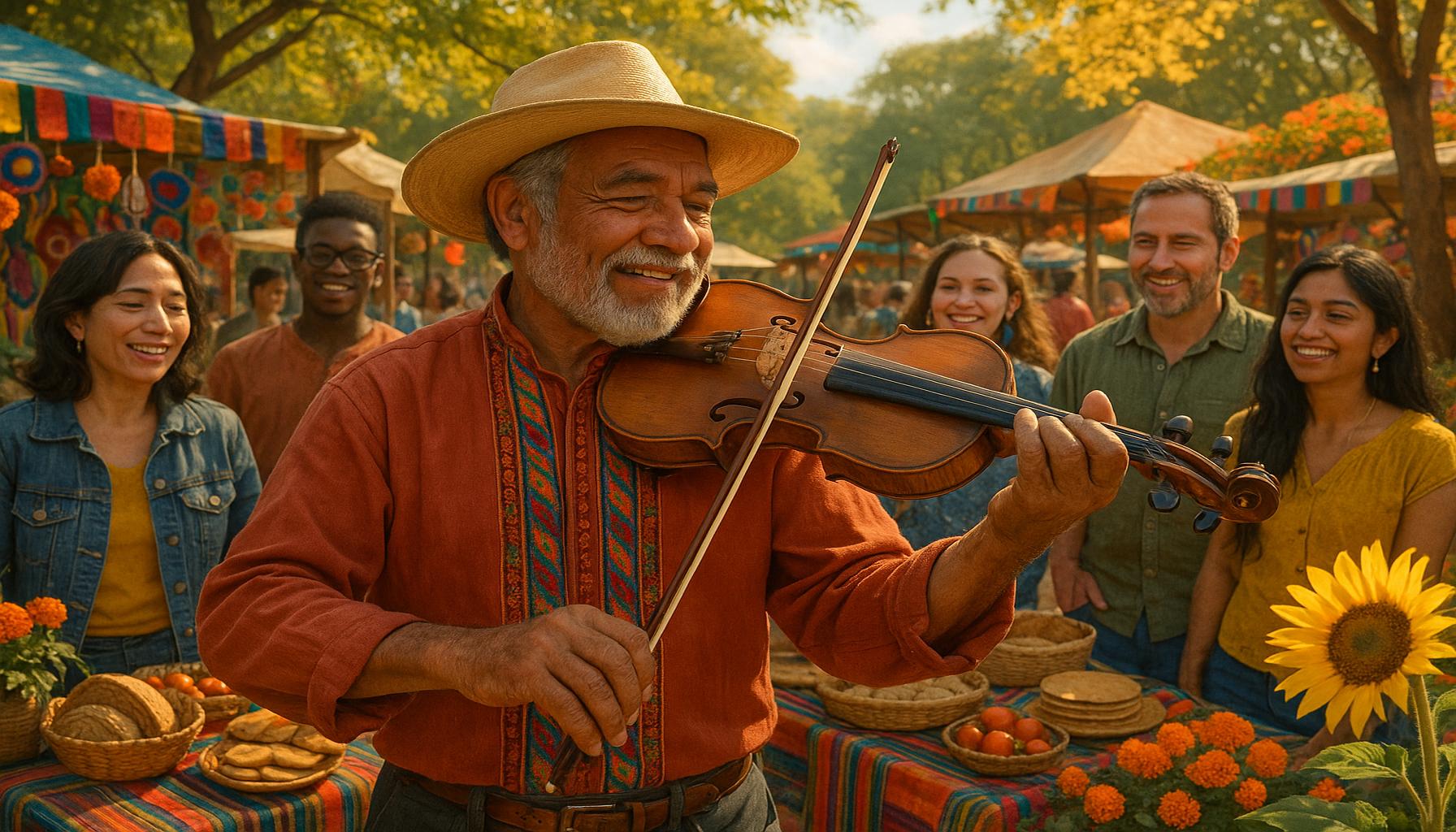
Folk music has long been an integral part of the American cultural landscape, embodying the stories and struggles of countless generations. The United States is a melting pot of cultures, and folk music often serves as a bridge between different traditions, uniting people through melodies and narratives that resonate at a fundamental level. For instance, the intricate ballads from the Appalachian region encapsulate the tales of hardship and triumph faced by early settlers, while the lively fiddle tunes and storytelling of Native American tribes showcase a deep connection to land and community.
As one dives deeper into the realms of creative expression, the benefits of folk music become increasingly evident. Here are several key impacts:
- Enhancing creativity: The unique narrative structures found in folk songs spark inspiration for writers, visual artists, and musicians. For example, the hauntingly beautiful ballad “Barbara Allen” has influenced numerous artists, prompting them to explore themes of love and loss in their own works.
- Cultural preservation: Folk music acts as a repository for the histories and traditions of various cultures. Melodies and lyrics are passed down through generations, preserving unique identities. The preservation of songs like “This Land is Your Land” by Woody Guthrie highlights the evolving nature of folk music, as it encapsulates the American spirit and the quest for equality and unity.
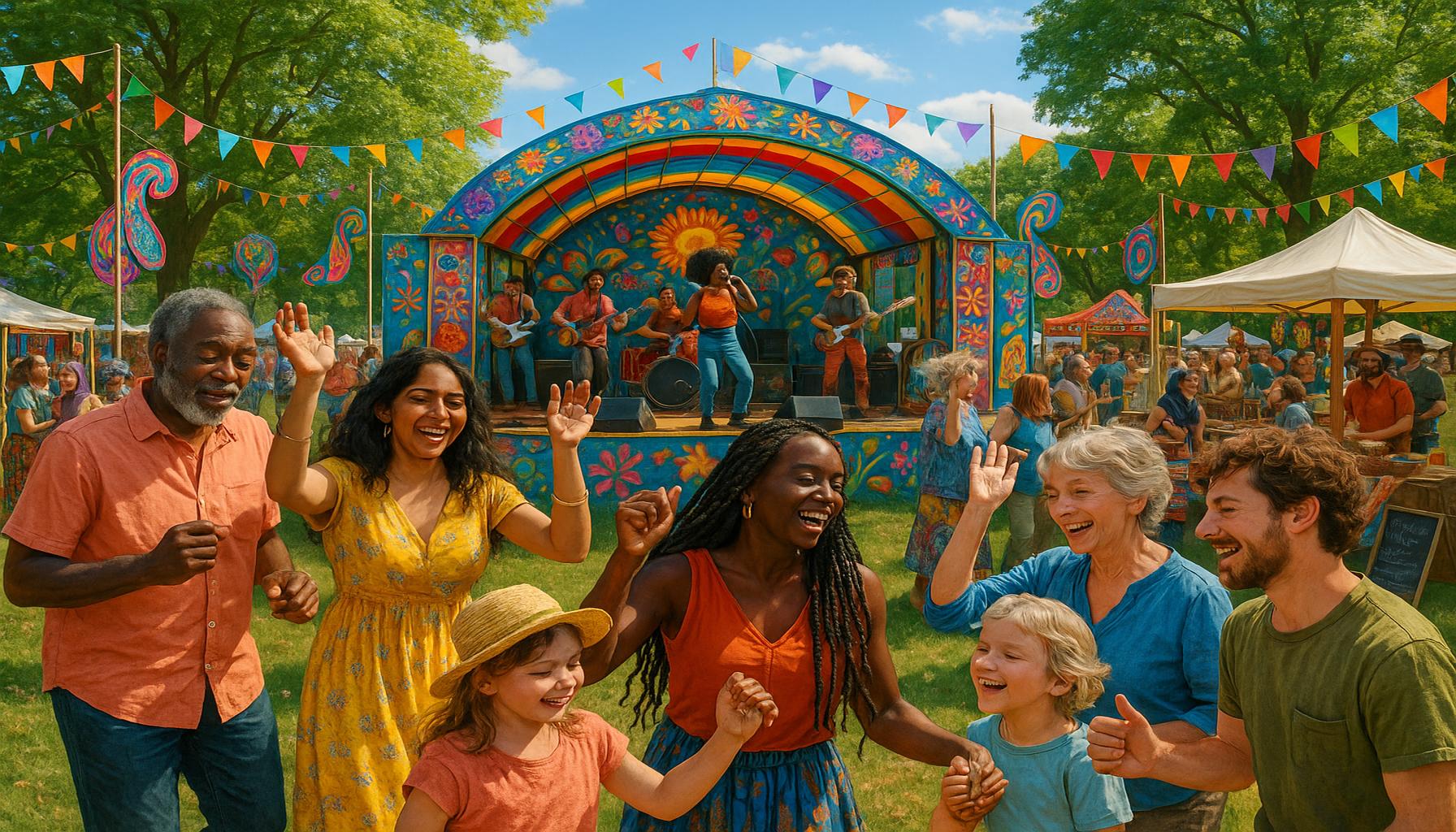
- Community engagement: Local folk gatherings, such as hootenannies or folk festivals, create vibrant spaces for connection and collaboration. Events like the Newport Folk Festival not only showcase traditional artists but also provide platforms for new talent, offering a sense of belonging to both performers and audiences alike.
Engaging with folk music not only enriches personal artistic expression but also cultivates a profound appreciation for the diverse cultural fabric of the nation. Through storytelling and shared experiences, folk artists invite listeners to actively participate in their narratives. This communal aspect fosters understanding and empathy, allowing individuals from different backgrounds to connect over shared human experiences.
Furthermore, exploring the impact of folk music helps us recognize its capacity to enrich both individual lives and the larger community. By understanding the historical context and cultural significance behind these melodies, we uncover the intimate connections that folk music fosters among individuals and groups. As we embark on this journey through melodies and stories, we find that the echoes of folk music resonate far beyond the notes, weaving a rich narrative of unity and resilience that continues to shape our cultural identity.
Folk Music as a Catalyst for Creative Expression
Folk music acts as an exceptional medium for creative inspiration, offering a wealth of melodies, rhythms, and lyrical themes that resonate deeply within the human experience. Throughout history, it has served as a wellspring for artists across various disciplines—from painters and writers to filmmakers and dancers—allowing them to explore and channel the emotions and narratives encapsulated in these timeless tunes. The raw and authentic nature of folk music encourages individuals to connect with their own joys, sorrows, and shared cultural backgrounds, leading to a rich and diverse tapestry of artistic output.

One of the most compelling aspects of folk music is its ability to facilitate imaginative exploration. By integrating folk traditions into their work, creators can tap into themes of identity, belonging, and community. For example, the poignant storytelling of folk songs about lost loves or distant homelands invites artists to explore similar themes in their own contexts. The ballad “Stagolee,” with its gripping tale of crime and morality, has inspired countless reinterpretations, showcasing how a simple narrative can find new life through modern lenses.
Moreover, folk music’s distinctive structures often serve as a model for crafting narratives or melodies in other artistic forms. The verse-chorus format, repetitive refrains, and vivid imagery found in folk songs provide a framework that can be adapted and transformed by contemporary artists. Musicians such as Bob Dylan and Joan Baez have famously infused their music with folk elements, creating works that resonate with political and social themes, thereby cultivating deeper emotional connections with their audience.
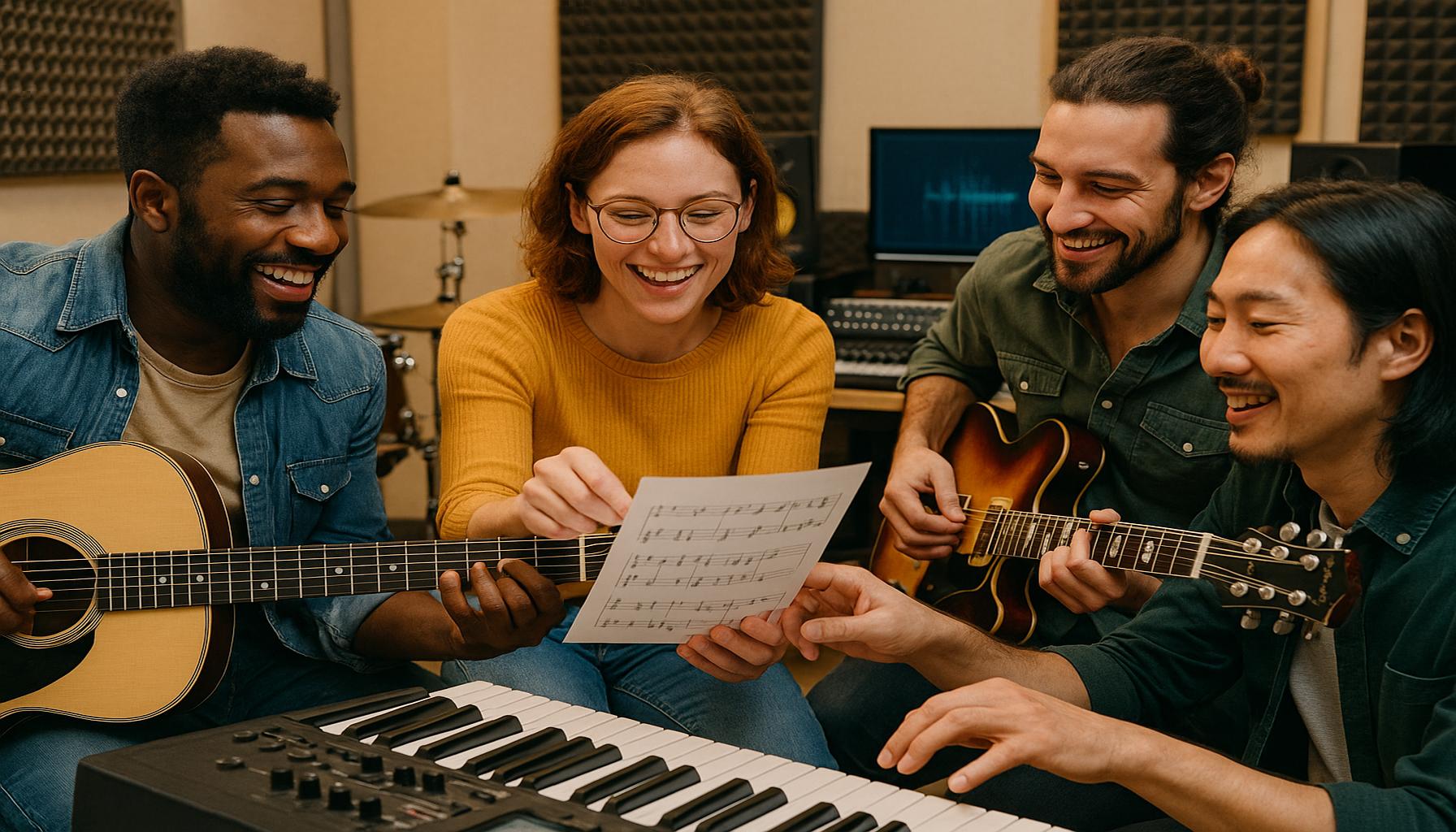
Beyond inspiring individual creativity, folk music also fosters collaboration among artists and communities. It is not uncommon for folk musicians to participate in collective songwriting sessions, where they share ideas, blend styles, and draw from one another’s cultural heritage. This collaborative spirit enhances the richness of the music itself and encourages interdisciplinary projects, from visual art installations inspired by folk stories to documentary films that explore the cultural significance of specific regional soundscapes.
Another dimension to consider is how folk music helps preserve endangered voices and stories within cultures. In a world where globalization can lead to the dilution of local customs, the act of reviving and performing traditional melodies brings forth a sense of cultural pride and identity. Folk music workshops across the United States, such as those held at community centers or universities, allow participants to engage with their cultural roots while sharing this knowledge with future generations, ensuring that these significant narratives remain alive.
In summary, the interplay of folk music and artistic practices underscores a vital connection between personal expression and cultural heritage. By embracing folk music, creators can not only enrich their own artistic experiences but also contribute to a broader dialogue that celebrates and honors the diverse tapestry of cultural histories. As we delve further into this exploration, we will uncover how folk music serves as a vibrant thread in the fabric of American culture.
| Cultural Connection | Impact on Society |
|---|---|
| Deepens Cultural Roots | Fosters Community Engagement |
| Folk music serves as a living archive of traditional values, illustrating the history and experiences of different communities. | By bringing people together, folk music promotes collaboration and cultural exchange, enhancing social bonds within diverse populations. |
| Artistic Inspiration | Revitalization of Traditions |
| The storytelling aspect of folk music captivates artists across genres, igniting innovation and creativity throughout various artistic platforms. | Folk music encourages younger generations to embrace their roots, actively participating in the preservation of traditions while creating a rich cultural tapestry. |
Exploring folk music reveals its role as a powerful catalyst for shed light on cultural identities. By understanding these connections, individuals can embark on their own quests to uncover the diverse narratives that folk music encapsulates. This exploration not only enriches personal experience but also contributes to a broader understanding of humanity’s shared cultural heritage. Whether it be through community gatherings, music festivals, or educational programs, engaging with folk music opens a pathway to cultural understanding and appreciation, inviting all to partake in its vibrant history.
The Role of Folk Music in Cultural Identity and Preservation
Folk music serves not only as a source of inspiration for creative expression but also as an essential tool for cultural preservation and identity formation. In a rapidly globalizing world, traditional folk music plays a pivotal role in maintaining the integrity of cultural narratives and reflecting the unique characteristics of diverse communities. By embracing and promoting regional folk traditions, societies can cultivate a deeper awareness of their shared histories, values, and customs.
One striking example of this phenomenon can be found in the Appalachian folk tradition, which has roots deeply embedded in the settler cultures of the region, showcasing a blend of Indigenous, African, and European musical influences. The preservation of traditional ballads, such as “Barbara Allen” or “The House of the Rising Sun,” speaks to the historical struggles and joys of the people who inhabit this mountainous terrain. Musicians in communities like those in West Virginia or Kentucky actively carry forth these songs, ensuring that each generation remains connected to their heritage through music. They not only revive long-forgotten stories but also spark conversations about the preservation of regional dialects and storytelling formats.
Additionally, community festivals and folk music gatherings across the United States serve as focal points for cultural celebration and exchange. Events like the Newport Folk Festival and the American Folklife Center at the Library of Congress highlight the significance of folk music in underlining the stories of diverse ethnic groups, from Native American and Hispanic to Appalachian and African American. These festivals not only promote folk musicians but also host workshops and educational experiences that foster intercultural understanding and appreciation.
Moreover, folk music can be a dynamic channel for addressing modern social and political issues while reinforcing community ties. Many contemporary folk musicians, such as Rhiannon Giddens and Steve Earle, draw upon historical folk tales and themes to comment on current challenges, such as racial injustice or economic disparity. By bridging the gap between past and present, they communicate powerful messages that resonate with audiences longing for authenticity and relevance in their music.
Documenting Cultural Heritage through Folk Music
The documentation of folk music has also become essential in preserving cultural identities. Institutions and ethnomusicologists work diligently to archive traditional tunes and stories that might otherwise fade into obscurity. Projects like the John Lomax Archives at the Library of Congress emphasize the importance of recording diverse musical traditions before they disappear. These efforts play a crucial role in creating educational resources that can be accessed globally, allowing folk music to retain its significance and influence across generations.
Furthermore, many local communities participate in oral history projects that encourage individuals to share personal memories associated with folk music. These initiatives not only help document vital cultural narratives but also strengthen social bonds among participants, as shared experiences aid in crafting a cohesive identity. In this way, folk music remains a vital thread that connects individuals to their past while enriching the cultural landscape of the present.
In essence, the intertwining of folk music and cultural identity generates powerful reflections on the complexities of human existence. As communities celebrate their heritage and encourage innovation through folk traditions, they create an environment ripe for interactive cultural experiences that both educate and enrich our lives. Delving further into the contemporary implications of these traditions will reveal even more ways in which folk music continues to be a source of connection and creativity.
Conclusion: The Lasting Impact of Folk Music
In a world increasingly defined by rapidly changing cultural landscapes and technological advancements, folk music stands as a powerful testament to the resilience of human identity and creativity. As explored throughout this article, folk music plays a multifaceted role in enriching both personal and communal experiences. It serves as a bridge to the past, preserving stories, traditions, and values that define various communities. By actively engaging with these traditions, individuals not only honor their heritage but also foster a sense of belonging rooted in shared narratives.
Moreover, folk music encourages dialogue around contemporary social issues by echoing the sentiment of past struggles. This connection enhances our collective cultural experience as artists like Rhiannon Giddens and Steve Earle utilize traditional forms to address modern injustices, affirming the genre’s evolving relevance. Festivals and collaborative projects further amplify the influence of folk music by uniting diverse voices and fostering intercultural understanding, allowing us to celebrate our differences while recognizing shared human experiences.
As communities continue to document and revive their musical heritage through local initiatives and national archives, they ensure the vitality of folk music for future generations. Thus, the exploration of folk traditions not only enriches our creative landscape but also cultivates a deeper appreciation for the cultural tapestry of the United States. In embracing folk music, we empower not just our own creativity but also the cultural fabric that binds us all, inviting further exploration and engagement in this rich musical heritage.