The Intersection of Simple Design and Ergonomics: Enhancing Comfort in Minimalist Spaces
The Intersection of Aesthetics and Comfort
As we navigate through the fast-paced rhythm of modern life, our living environments are becoming increasingly central to our overall well-being. The push towards minimalist design is not merely a trend; it’s a response to our need for simplicity and clarity amid chaos. This philosophy prioritizes clean lines, functional objects, and an uncluttered visual experience, all while incorporating ergonomic principles that significantly enhance comfort and functionality.
When we speak of the convergence between minimalist design and ergonomics, we are referring to a design approach that considers both aesthetics and the human experience. This synergy creates living spaces that are not only pleasing to the eye but also enhance the quality of our lives. Key features that exemplify this harmony include:
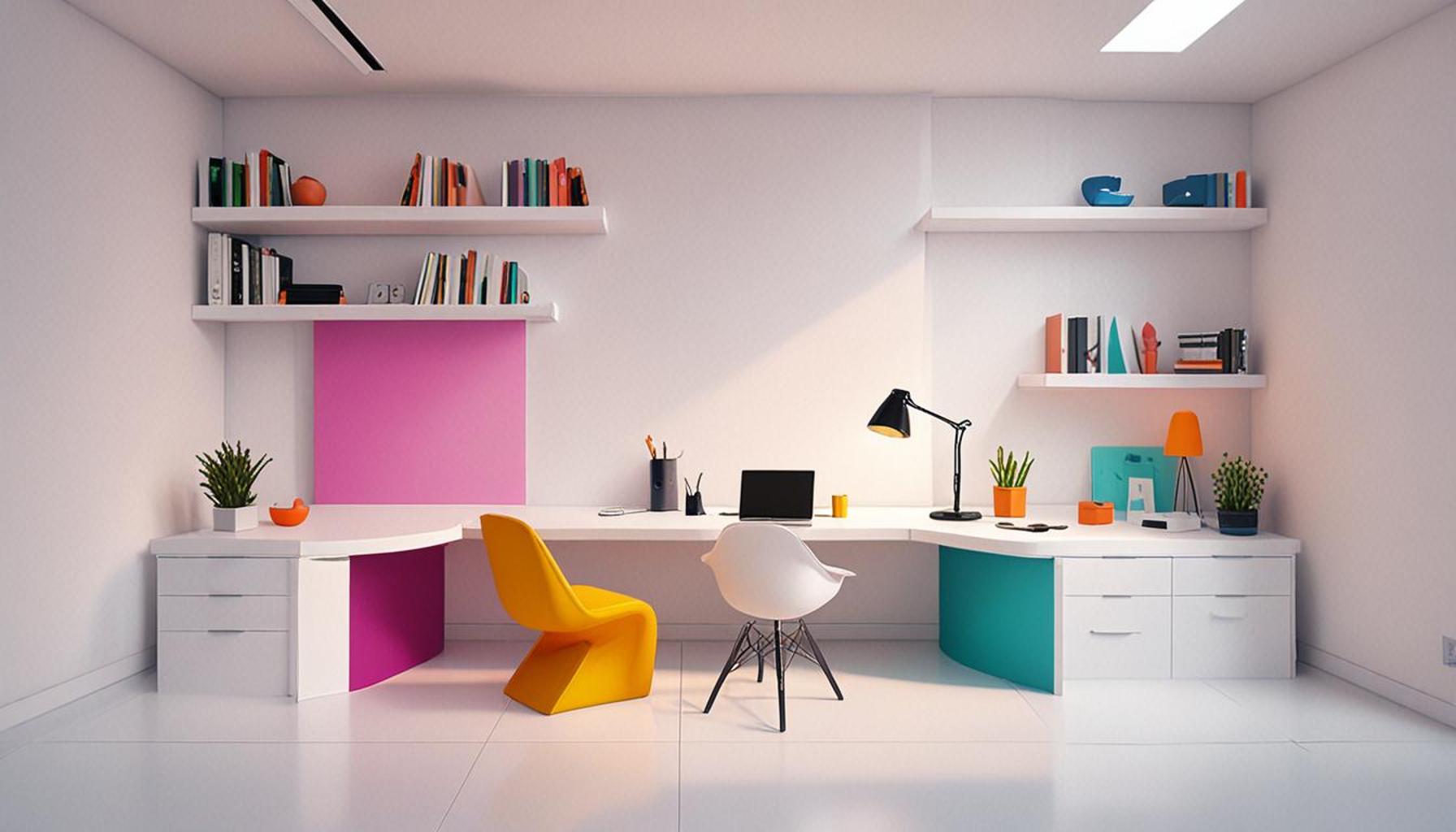
- Streamlined furniture that adapts to body contours, such as chairs that provide lumbar support or desks that adjust to various heights. For instance, an ergonomic chair with adjustable armrests helps promote proper posture, reducing the risk of back pain.
- Natural lighting that floods rooms to boost mood and decrease eye strain. Large windows or strategically placed mirrors can amplify daylight, creating warm and inviting atmospheres that also encourage productivity.
- Open spaces that allow for fluid movement and a sense of freedom, reducing feelings of claustrophobia often associated with cluttered environments. Designing with open floor plans can enhance social interactions in homes, fostering a sense of community, especially in family settings.
Diving deeper into minimalist interiors reveals how these elements propagate both visual appeal and personal comfort. The benefits of integrating such designs extend beyond mere aesthetics:
- Improved posture and reduced fatigue not only enhance daily activities but also contribute to long-term health benefits.
- Increased productivity in home offices is supported by environments that minimize distractions and maximize focus through functional, unobtrusive furniture and layouts.
- A sense of tranquility fosters mental clarity, allowing individuals to recharge and maintain a better work-life balance.
Embracing the principles of minimalist design coupled with ergonomic considerations paves the way for creating spaces that enable us to not just live, but truly thrive. As we engage with our surroundings, our environments shape how we feel and perform. Exploring successful design elements that merge simplicity with ergonomic functionality can revolutionize our experiences at home and at work. This journey into well-designed spaces reveals a landscape where beauty and comfort coexist, urging us to reevaluate how we allocate and appreciate our living spaces. We invite you to continue this exploration, discovering ways to enhance your own environment for a more fulfilling lifestyle.
DISCOVER MORE: Click here to learn how to maximize your space
Reimagining Spaces: The Role of Ergonomics in Minimalist Design
Incorporating ergonomic design into minimalist spaces is about more than just aesthetics; it focuses on creating environments that respond intuitively to the way we live and work. In a society increasingly defined by fast-paced lifestyles and the constant need for productivity, the importance of nurturing our physical comfort cannot be overstated. A thoughtfully designed space marries functionality with style, challenging the notion that beauty and comfort must exist separately.
The key to effectively merging simple design with ergonomic principles lies in understanding how our bodies interact with our surroundings. Here are several critical elements to consider:
- Adjustable Features: Furniture that can be tailored to individual needs significantly enhances comfort. For instance, standing desks that can be easily adjusted promote movement throughout the day, alleviating issues associated with prolonged sitting. This flexibility is essential in home offices, where adapting to different tasks, such as focusing on a project or engaging in video calls, can improve overall productivity.
- Soft Materials: Minimalist design often emphasizes natural materials like wood and stone, but integrating soft textiles into furniture can dramatically enhance comfort. Upholstered seating with supportive cushioning creates a welcoming environment for relaxation, while neutral colors contribute to a calming atmosphere that supports mental well-being.
- Thoughtful Layouts: The arrangement of furniture plays a crucial role in both the function and flow of a space. Ensuring there is enough room to move without obstruction not only promotes comfort but also fosters a sense of openness and tranquility. This is particularly advantageous in family homes where shared spaces encourage interaction and connection.
Exploring the impact of ergonomics within minimalist design extends to various aspects of daily life. For example, consider the prevalent issue of eye strain from excessive screen time. By maximizing natural light through large windows or strategic light placement, we can enhance focus while reducing glare, which ultimately contributes to a more inviting and functional workspace. Additionally, implementing task lighting that adjusts with time of day can also help to maintain optimal light levels.
Furthermore, the psychological effect of a less cluttered space is profound. Research consistently shows that organizing our environments can directly influence our mental states. Simple designs that emphasize spaciousness can elicit feelings of calm and clarity, enabling better decision-making and stress reduction. Each element, from the ergonomic chair that aligns the spine to the carefully selected color palette, impacts how we engage with our space and, in turn, ourselves.
As we delve deeper into the fusion of minimalist aesthetics and ergonomic functionality, it becomes clear that these principles are not mutually exclusive; rather, they work in concert to enhance our experiences across various settings. Whether at home or in professional environments, embracing a design philosophy that prioritizes both simplicity and physicality promises a lifestyle that is not only aesthetically pleasing but also deeply comfortable and fulfilling.
The Intersection of Simple Design and Ergonomics: Enhancing Comfort in Minimalist Spaces
As we delve deeper into the realm of minimalist design, it’s essential to recognize that the principles of simplicity and ergonomics are not just aesthetic choices, but pivotal factors that influence our daily comfort and well-being.
In contemporary settings where space is often limited, minimalist design offers a refreshing approach that prioritizes functionality without compromising style. By integrating well-thought-out ergonomic solutions, these designs promote a harmonious relationship between the user and their environment.
Consider the importance of furniture solutions that embody both aesthetic appeal and user comfort. For example, streamlined seating arrangements not only enhance the visual flow of a space but also encourage healthy posture—ultimately leading to reduced physical strain. Additionally, clean lines and uncluttered spaces can significantly lower mental fatigue, fostering a sense of tranquility that is often elusive in more chaotic environments.
Moreover, lighting plays a crucial role in minimalist spaces, directly impacting our circadian rhythms. Strategically placed natural light sources enhance not only the visual comfort but also the overall mood and productivity of individuals inhabiting the space. Ensuring that every component serves a functional purpose allows for a thoughtful integration of design and ergonomics that is both appealing and practical.
Furthermore, incorporating adaptable elements like adjustable work surfaces and multifunctional furniture will allow users to modify their environments according to specific needs—thereby enhancing both their comfort and engagement with the space.
| Advantages | Details |
|---|---|
| Enhanced Functionality | Furnishings that adapt to user needs boost usability in constrained environments. |
| Aesthetic Serenity | Minimalist designs create tranquil environments through uncluttered layouts. |
Embracing the intersection of simple design and ergonomics reveals a profound opportunity to enhance comfort in our living and working areas, paving the way for a healthier lifestyle. By prioritizing both elements, we cultivate an atmosphere that nurtures well-being, creativity, and inspiration. The journey toward a more comfortable existence through minimalism is indeed one worth exploring.
EXPLORE MORE: Click here to discover minimalist design tips
Designing for Well-Being: How Ergonomics Shapes Minimalist Interiors
As we further explore the dynamic intersection of ergonomics and minimalist design, it becomes evident that caring for our physical well-being is fundamental to creating spaces that truly nurture us. Embracing principles of ergonomic design does not only address physical comfort; it also plays a pivotal role in mental and emotional well-being. By examining elements like color psychology, tactile experiences, and sensory engagement, we glean insights into how these aspects enhance our interaction with our environments.
One of the most compelling aspects of ergonomic minimalist design is the impact of color on mood and productivity. Research in environmental psychology suggests that the hues present in our surroundings can significantly influence our feelings and behaviors. For instance, soft blues and greens are often associated with tranquility and focus, making them ideal choices for home offices or study areas. Incorporating these calming colors in minimalist designs not only reinforces the aesthetic principle of simplicity but also promotes an atmosphere conducive to concentration and relaxation.
Moreover, the texture and materials chosen for a space contribute to both the visual and tactile experience. Soft, inviting surfaces—think of a plush rug underfoot or a warm wooden dining table—can make a minimalist space feel more welcoming and cozy. Such tactile interactions are crucial; they complete the sensory experience and foster a connection between the individual and their environment. An ergonomic approach invites in materials that facilitate comfort, from breathable textiles to organic shapes that conform to the human form, ensuring that every element serves a specific purpose.
- Natural Elements: Incorporating elements of nature, like houseplants or water features, can further enhance comfort and aesthetic appeal. Studies have shown that biophilic design—an approach that seeks to connect people with nature—improves mood and cognitive function. Minimalist spaces that integrate greenery not only purify the air but also create visual interest without overwhelming the senses, providing a serene escape from daily life.
- Personalization: While minimalist design emphasizes simplicity, it should not sacrifice individuality. Ergonomically designed spaces allow for personalization through adjustable features, modular furniture, and unique decor. This balance creates a sense of ownership and comfort, allowing individuals to modify their environments in ways that suit their personal preferences and needs.
- Universal Design Principles: Employing principles of universal design can lead to environments that are accessible and comfortable for all. By incorporating features like lower countertops, wider doorways, and accessible furniture choices, designers can create minimalist spaces that cater to a diverse range of abilities, ensuring everyone can experience the benefits of ergonomic design.
In the age of remote work and flexible living arrangements, the demand for thoughtful minimalist designs that prioritize ergonomic considerations is growing rapidly. Employers and homeowners are realizing that investing in ergonomic solutions is not just about comfort; it is about enhancing productivity and overall quality of life. This shift towards understanding the symbiotic relationship between aesthetics and practicality is leading to innovative designs that reflect the needs of modern lifestyles.
As we continue to navigate our interactions with technology and increasing societal demands, the importance of ergonomic, minimalist design cannot be overstated. By fostering spaces that champion both simplicity and well-being, we take significant steps toward a harmonious existence, where comfort and functionality lead to enriched daily experiences.
DISCOVER MORE: Click here to learn about mindful living
Final Thoughts on the Harmony of Design and Ergonomics
In conclusion, the intersection of simple design and ergonomics presents a compelling vision for the future of our living and working environments. As we have explored, the essence of minimalist interiors lies not only in their aesthetic appeal but also in the profound impact these thoughtfully curated spaces have on our well-being. By prioritizing ergonomic principles, we create an atmosphere that transcends mere functionality and enhances our emotional and physical health.
The integration of calming colors, tactile materials, and natural elements fosters a connection between individuals and their spaces, promoting a sense of serenity and focus. Moreover, the importance of personalization and accessibility underscores the value of design that caters to diverse needs, allowing for greater comfort and individuality. As we adapt to the evolving demands of remote work and fluid living conditions, the significance of ergonomic, minimalist design becomes increasingly apparent.
Investment in such designs is no longer just a trend—it is a movement towards sustainable living that embraces both aesthetics and human-centered functionality. As we step into a future where mental health and productivity are paramount, exploring and embracing the harmonious blend of simple design and ergonomics will not only enhance our daily experiences but also cultivate spaces that nurture our overall quality of life. The journey has just begun; now is the time to delve deeper into how ergonomic minimalism can transform our lives for the better.