
Mindful Living Transform Your Minimalist Space with Daily Mindfulness
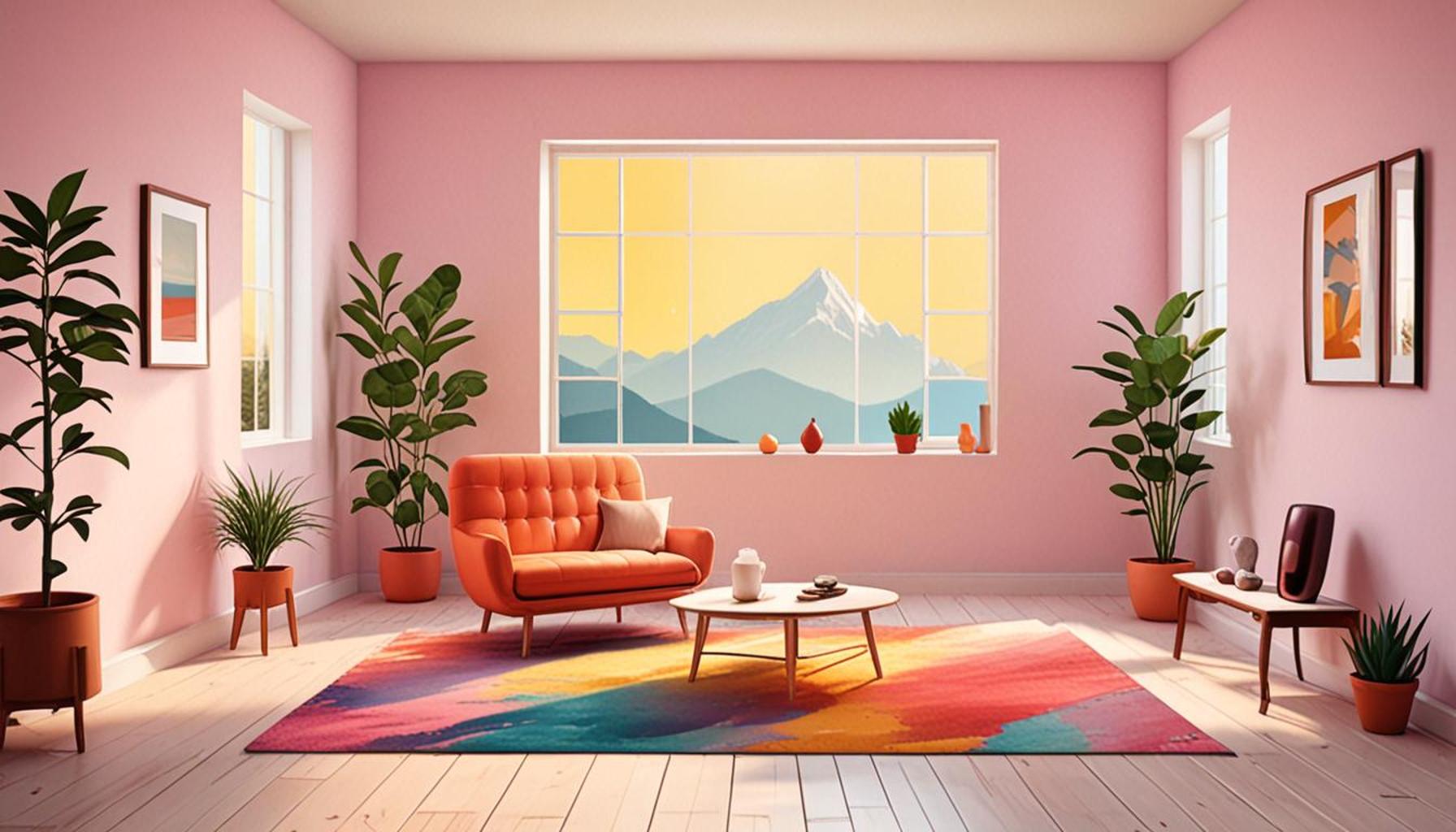
In today’s fast-paced world, the pursuit of minimalism and personal organization has gained considerable traction. People are increasingly seeking ways to declutter their lives, both physically and mentally. Enter mindful living, a practice that emphasizes being present in the moment and can significantly enhance your minimalist lifestyle.
This transformative approach not only helps individuals appreciate the essentials in their lives but also fosters a deeper connection to their surroundings. Embracing mindfulness in daily activities can lead to a more peaceful and intentional living space, perfectly complementing a minimalist ethos. Here’s what you’ll discover:
- Definition of mindful living and its significance in our daily routines.
- Key benefits of incorporating mindfulness into minimalism.
- Examples of practices to implement right away.
- Common challenges and how to overcome them.
- Top 5 tips to seamlessly integrate mindfulness into your minimalist space.
Stay tuned as we explore how mindful living can not only transform your physical space but also shape your mental landscape.
Top 5 Mindful Living Practices to Transform Your Minimalist Space
The practice of mindfulness is gaining traction in our fast-paced world where societal norms often prioritize perpetual accumulation—more belongings, increased complexity, and heightened clamor. The art of mindful living, consequently, presents an appealing antithesis by providing access to a life imbued with organization, tranquility, and minimalist delight. This article explores the top mindful living practices that hold the potential to transform your minimalist space, ranked from effective to most impactful. Embrace the journey of mindfulness and discover how it can metamorphose your living environment into a haven of serenity.
5. Creating Mindful Mornings
How one starts the day carries significant weight in determining the quality of the hours that follow. Mindful mornings can be seen as a gentle awakening ritual, where every action is deliberate and meaningful. Incorporating aspects of mindfulness into your morning routine doesn’t require much time but promises enduring impacts.

Imagine commencing your day in silence, listening to the faint sounds of morning as you engage in soft stretches. Invite a quiet awareness to your breath and the feel of your surroundings. This introspective practice grants you the opportunity to set thoughtful intentions for the day, paving the way toward simplicity.
- Choose simplicity: Incorporate only essential components into your morning routine, such as savoring a warm drink or performing a few yoga stretches.
- Limit distractions: Avoid the temptation to check your phone immediately upon waking, allowing your mind to remain uncluttered.
- Invite calm: Create a space that embodies minimalist aesthetics, augmenting tranquility and focusing your energy.
Establishing mindful mornings lays a robust foundation for an intentional day, emboldening your pursuit of a minimalist lifestyle.
4. Mindful Decluttering
While decluttering can often seem like a daunting task, layering mindfulness into the process transforms it into a liberating experience. Instead of hurriedly discarding possessions, take a moment with each item to evaluate its role and significance in your life. Query whether it brings joy or serves a crucial purpose.
This thoughtful approach to decluttering not only reduces physical clutter but also lightens your mental space. A clearer physical environment can lead to a refreshing mental perspective, akin to a breath of fresh air.
- Set a schedule: Commit to regular decluttering sessions, ensuring it’s a consistent element of your routine.
- Use the ‘one in, one out’ rule: For every new item introduced into your space, let go of an old one.
- Reflect on your choices: Consider how different items impact your mental clarity and general well-being.
Mindful decluttering is not merely about tidying up; it underscores a commitment to a life filled with mental focus and minimalist ambition.
3. Mindful Consumption
In a society dominated by consumerism, being mindful of our purchasing behaviors is paramount. Mindful consumption means making intentional choices regarding what we buy and how we use these items. Understanding the implications of our consumption on both our physical spaces and mental health is central to mindful living.
Questions such as “Why do I want to buy this?” or “What need does this fulfill?” are crucial in steering away from unnecessary acquisitions. Investing in fewer, high-quality possessions and choosing sustainable brands help curtail excess and create a curated living space.
- Ask why: Before making a purchase, take a moment to evaluate your motives.
- Prioritize quality over quantity: Opt for fewer items that robustly serve your needs and align with your aesthetic.
- Support sustainable brands: Choose products that reflect minimalist values and ethical consumption.
Embracing mindful consumption allows you to diminish excess, creating a haven filled only with items that hold genuine significance.
2. Mindful Spaces
Designing spaces that inspire mindfulness can lead to transformative experiences. Elements that nurture your well-being, such as natural lighting, calming hues, and orderly arrangements, contribute to tranquility. Spaces dedicated to mindfulness encourage stillness and reflection, fundamental elements of minimalist philosophy.
By ensuring your surroundings echo mindfulness, you cultivate an environment that benefits your mental and emotional health, encouraging you to live fully and harmoniously.
- Designate areas for reflection: Create specific corners in your home dedicated to mindfulness, free from distractions.
- Incorporate nature: Integrate natural elements like plants to heighten the sense of serenity.
- Personalize mindfully: Select decor items that stir positive emotions or memories, choosing only a few meaningful ones.
Mindful spaces not just foster deeper engagement with your daily life but also accentuate a minimalist spirit embedded in your environment.
1. Mindful Awareness in Daily Activities
The summit of mindful living is incorporating awareness into the very fabric of your daily activities. Engaging fully in each task, whether it’s washing dishes, walking in the park, or working at your desk, brings a refined mindfulness to the mundane, turning routine actions into meaningful experiences.
This depth of awareness in everyday tasks fosters a genuine sense of gratitude for your surroundings, enhancing your overall quality of life. It encourages single-tasking, allowing complete focus on the present activity rather than dividing attention across multiple tasks. This conscious mode of operation imbues each action with significance, highlighting mindfulness in all facets of existence.
- Practice single-tasking: Focus on one activity at a time, resisting the urge to multitask.
- Engage fully: Bring your attention wholeheartedly to every task, however mundane it may seem.
- Reflect with gratitude: Acknowledge the beauty and necessity inherent in daily duties, embracing them as opportunities for mindful practice.
Mindful awareness in daily activities is not just a practice but a lifestyle, one that significantly enriches your existence while staying true to minimalist ideals.
| Category | Description |
|---|---|
| Enhanced Focus | Practicing mindfulness enables individuals to enhance their focus by training the mind to remain present. This leads to greater productivity and clarity in daily tasks, especially in a minimalistic space where distractions are intentionally reduced. |
| Stress Reduction | Mindful living involves being aware of one’s thoughts and feelings without judgment. This awareness can significantly reduce stress levels, allowing individuals to enjoy their surroundings with a sense of calmness and serenity, particularly within a thoughtfully curated minimalist environment. |
| Improved Relationships | Through the practice of mindful living, individuals learn to communicate more effectively and listen actively. This improves relationships by creating a deeper connection with others, allowing individuals to enjoy shared spaces without the clutter of unresolved tension. |
| Heightened Appreciation | Mindfulness encourages individuals to appreciate the present moment, leading to a greater appreciation for the simple beauty found in minimalist design. Each item in the space gains significance as individuals learn to truly value what they possess, transforming daily experiences into moments of joy. |
Incorporating mindful living into a minimalistic lifestyle can indeed alter how one interacts with their environment. For instance, the practice of mindfulness not only enhances focus but allows for a deeper engagement with daily activities. One may find themselves immersed in the task at hand, whether it’s organizing a space or enjoying a cup of tea, thus turning mundane tasks into mindful rituals that enrich daily life.Similarly, the stress-reduction benefits associated with mindfulness are profound. In a world where distractions abound, individuals who consciously cultivate their attention can navigate their surroundings with a peaceful mind. The feelings of tranquility that arise from a minimalist setup can proliferate, resulting in an overall enhanced well-being.Furthermore, the dynamics of interpersonal relationships often improve as mindfulness is practiced. Engaging with others in a mindful manner creates an atmosphere of openness and understanding, paving the way for more harmonious interactions. With stress diminished and attention focused, the quality of relationships can flourish in a clutter-free environment.Lastly, the ability to appreciate simplicity can lead to profound shifts in how one lives. When mindfulness becomes a daily practice, the clutter of consumerism is often stripped away, revealing the beauty in what is already present. This intentional way of living not only transforms one’s physical space but nurtures a mindset that finds joy in the ordinary, thus enhancing every moment of life. By embracing these principles, individuals can fully experience the transformational power of mindful living within their minimalist environments.
Frequently Asked Questions about Mindful Living and Minimalist Spaces
What is the relationship between mindfulness and minimalist living?
The connection between mindfulness and minimalist living is profound and multi-layered. Practicing mindfulness encourages individuals to focus on the present moment and make deliberate choices. This practice complements minimalism by fostering an environment where only essential items that bring value and joy are kept. In essence, mindfulness helps you identify and appreciate what truly matters, aligning perfectly with the minimalist ethos of reducing clutter to enhance one’s space and peace of mind.
Can mindfulness practices really transform a minimalist space?
Absolutely. Mindfulness practices such as meditation, controlled breathing, and intentional awareness can dramatically transform a minimalist space. By integrating these practices, individuals often find themselves more attuned to their environment, prompting a deeper appreciation for the simplicity and clarity that minimalism offers. The act of being mindful allows for a heightened sense of calm, focus, and balance, which in turn, can transform not just your space, but your overall lifestyle.
How can I start incorporating mindfulness into my daily routine?
Beginning to incorporate mindfulness into your daily routine can start with small, incremental changes. Set aside a few minutes each day for meditation or mindful breathing exercises. Additionally, take time to engage fully in everyday activities like eating, walking, or even cleaning, noticing every detail and sensation. By making a conscious effort to slow down and focus, you’ll gradually start to cultivate a habit of living mindfully, enhancing your minimalist space and mindset.
What are some common challenges faced when combining mindfulness and minimalism?
One common challenge is overcoming the initial resistance to change and letting go of items and habits that no longer serve a purpose. Another issue can be maintaining continuity and consistency in mindfulness practices amidst a busy lifestyle. It’s crucial to acknowledge these challenges as part of the journey and to embrace patience and persistence as key components of successful implementation. With time, the alignment between mindfulness and minimalism will naturally take root, offering profound and lasting benefits.
Are there any specific mindfulness tools or resources recommended for beginners?
For those new to mindfulness, there are many accessible tools and resources available. Guided meditation apps like Headspace or Calm can provide structured support, while books such as “The Miracle of Mindfulness” by Thich Nhat Hanh offer deep insight into the practice. Additionally, numerous online courses and communities are dedicated to promoting and supporting mindfulness, helping you to build a sustainable practice that complements your minimalist lifestyle.
Conclusion
Incorporating mindful living into your daily routine can significantly enhance the essence of minimalism, turning your living space into a sanctuary of tranquility and purpose. The practice of mindfulness calls for being present and intentional with every choice you make, be it in personal habits, consumption, or spatial organization. Embracing this lifestyle not only simplifies your surroundings but also fosters a sense of clarity and focus.
One of the key takeaways from the article is the importance of being present and recognizing what truly adds value to your life, leading to a more meaningful interaction with your environment. By curating a space that embodies your needs rather than your wants, you create an arena that supports your well-being and personal growth.
- Mindful decluttering: A deliberate process of evaluating the necessity of items in your space, helping you determine what contributes positively to your life.
- Intentional design: Crafting a space that reflects your core values and priorities, where every item has a purpose and place.
- Enhanced focus: Reducing physical clutter aids in mental clarity and productivity, allowing for better concentration on tasks at hand.
The intersection of mindfulness and minimalism offers a refreshing perspective on organization, aligning your surroundings with your inner aspirations. As you delve deeper into these practices, you’ll find that they can lead not only to a tidier home but also to a more centered and harmonious life. Engaging in this journey invites you to discover new levels of awareness and simplicity, ultimately transforming your living space and mindset alike. Embrace this transformation and explore how these principles can continue to shape your environment and personal well-being.