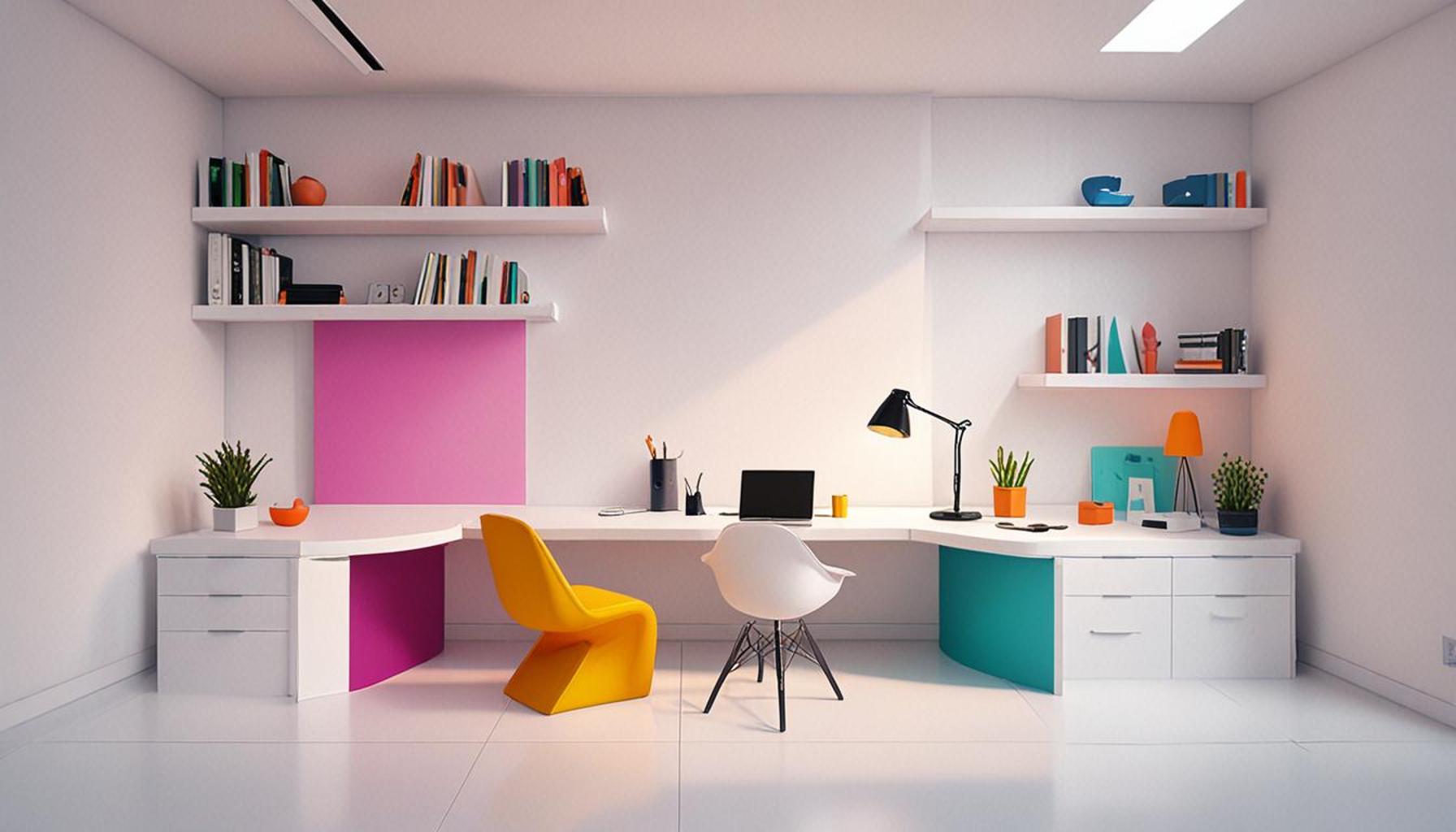
Embrace Simplicity Designing Minimalist Home Spaces Effectively
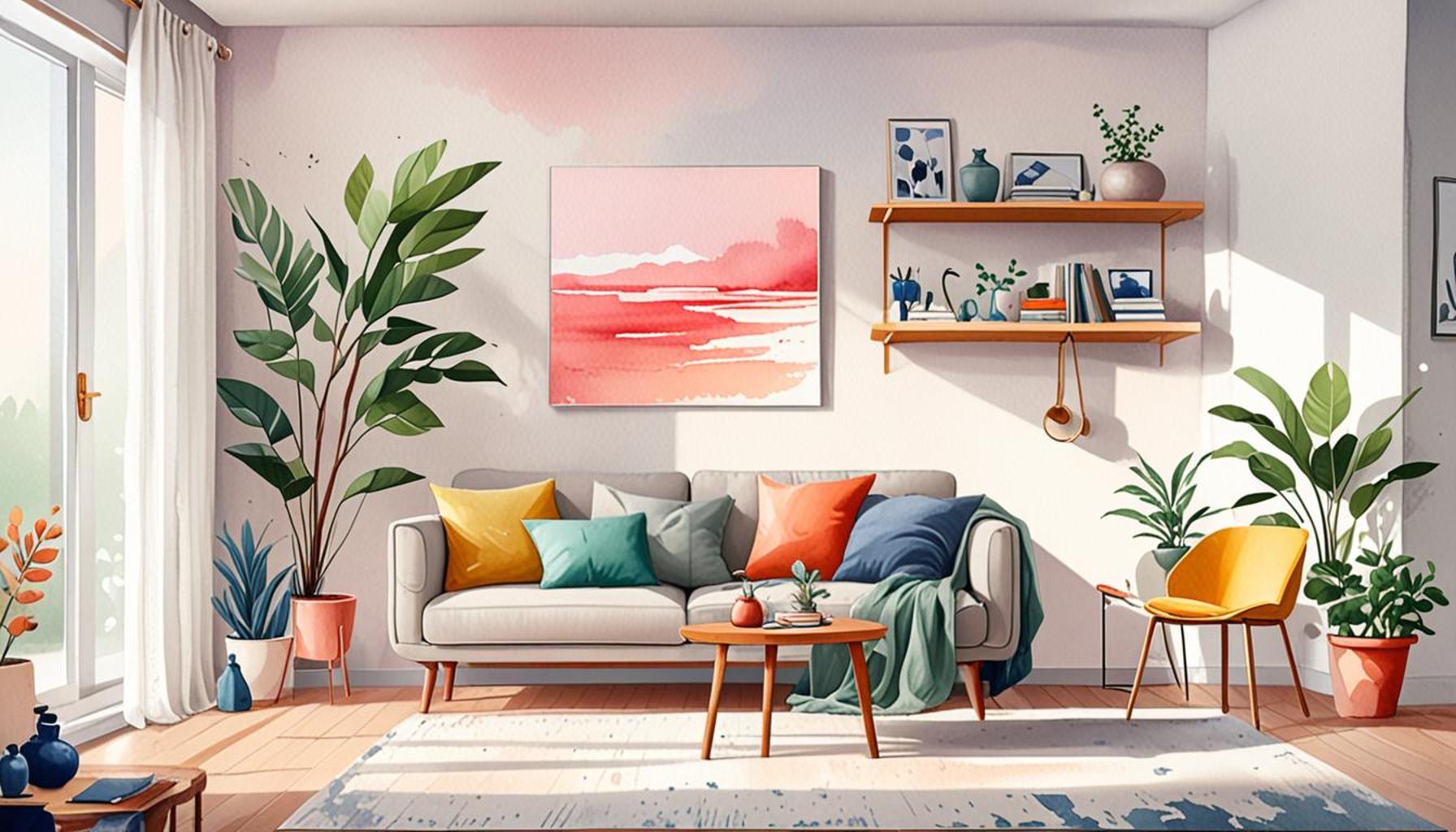
Discovering the Essence of Minimalism
In a world overwhelmed by excess and clutter, embracing simplicity has become a powerful way to create serenity within our homes. Minimalism, with its focus on clean lines and purposeful design, encourages not just aesthetic beauty, but also mental clarity and personal organization. This transformative approach helps us prioritize what truly matters, making our living spaces more functional and enjoyable.
Why Design Matters
The significance of simplicity in home design goes beyond mere visual appeal. It promotes a lifestyle that values experiences over possessions and encourages mindfulness in our daily routines. By understanding the principles of minimalist design, you can effectively cultivate a space that reflects your values and enhances your well-being.
Top 5 Elements of Minimalist Design
As we delve deeper into the art of minimalist home design, we’ll highlight the top 5 elements that contribute to a harmonious living environment. Each aspect plays a crucial role in achieving the ultimate goal: a simplified, organized, and aesthetically pleasing space. Get ready to uncover insights that will inspire your journey toward a minimalist lifestyle.
Top 5: The Importance of Design Simplicity in Creating Minimalist Home Spaces
In our fast-paced modern world, the quest for tranquility often leads individuals to seek solace within their personal living spaces. Design simplicity emerges as a pivotal concept in crafting minimalist homes, offering a refuge from the noise and chaos of everyday life. As more people gravitate toward minimalist design, understanding the underpinnings of design simplicity becomes essential. Below, we delve into the top five elements that underscore this approach, highlighting their importance in transforming a living area into a minimalist sanctuary.
5. Enhanced Functionality
The cornerstone of minimalist design is undoubtedly enhanced functionality. By focusing on purpose-driven design, homes are not only stripped of clutter but are reshaped into entities that serve their inhabitants efficiently and effectively. Every piece within a minimalist space plays a critical role in ensuring that functionality is maximized without sacrificing style or comfort.
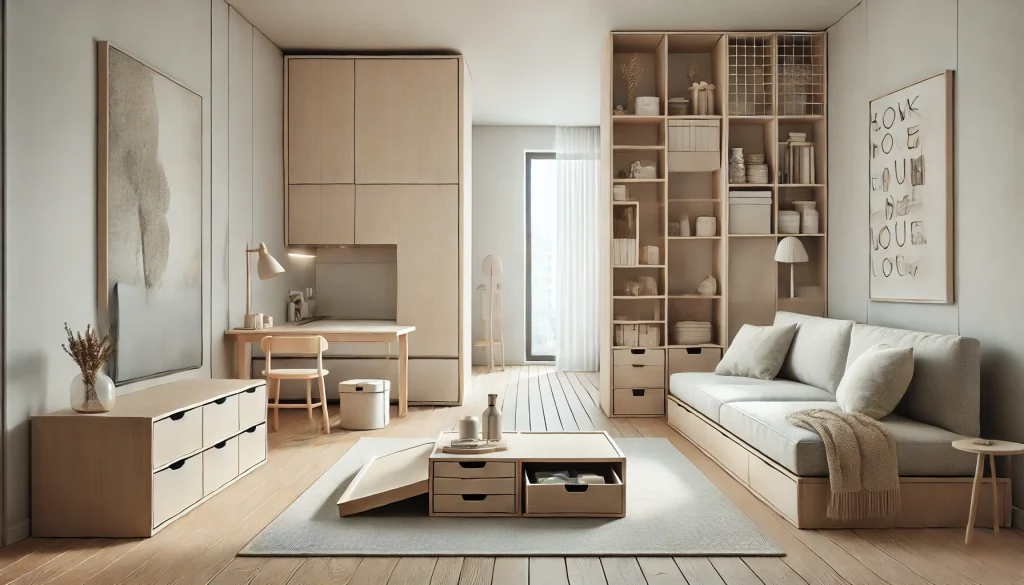
This concept can manifest in various ways.
- Multi-functional furniture, such as sofa beds or tables with built-in storage, exemplifies the blend of form and purpose, reducing the need for unnecessary items.
- A well-organized kitchen, with streamlined cabinets and strategically placed appliances, can dramatically enhance cooking efficiency and transform meal preparation into a pleasurable experience.
- Uncluttered workspaces can foster productivity, facilitating a clear and focused frame of mind during tasks.
Focusing on functionality ensures that every corner of a minimalist home is utilized to its fullest potential, allowing its occupants to enjoy a seamless and cohesive living experience.
4. Improved Aesthetics
Minimalist design beautifully encapsulates the adage, “less is more,” celebrating spaces defined by clean lines and thoughtful design decisions. Through the removal of unnecessary elements, the minimalist home emerges as a testament to chic simplicity, conducive to both tranquility and elegance.
The beauty of a minimalist aesthetic lies in:
- Neutral color palettes that imbue spaces with a sense of openness, creating an illusion of more significant spatial dimensions while promoting a calm and inviting environment.
- Streamlined furniture that adheres to a common design theme, offering unity and fluidity throughout a home, thus reinforcing the visual appeal.
- Artistic accents, carefully positioned, enhance the space without overwhelming it. Whether through a singular, striking piece of art or subtle decor items, these elements captivate without cluttering.
Ultimately, the beauty of a minimalist space resides in its understated elegance. It is an aesthetic choice that fosters a sense of order and serenity, vital components for any peaceful living environment.
3. Mental Clarity and Peace
Reducing physical clutter in our environments directly correlates to an increase in mental clarity, as evidence suggests that our surroundings significantly impact our emotional well-being. A minimalist home, thus uncluttered and ordered, contributes to a mind free from undue distractions and stress.
Research corroborates that clutter can exacerbate levels of stress and anxiety, often serving as a silent yet constant source of discomfort. Simplifying our living spaces allows us to experience:
- Reduced mental fatigue, where the absence of extraneous visual stimuli leads to cognitive ease and relaxation.
- Enhanced concentration, enabled by a clear, orderly environment that facilitates focus on essential tasks, hobbies, or relaxation.
- A tranquil atmosphere that encompasses the entire home, inviting its inhabitants into a serene retreat from the bustling world outside.
In essence, design simplicity transcends the mere aesthetic attributes of a home, forging a profound connection to mental and emotional well-being, where tranquility is cultivated strategically and intentionally.
2. Sustainable Living
In an era increasingly attentive to environmental concerns, design simplicity naturally aligns with aspirations for sustainable living. By embracing minimalist design, individuals are encouraged to reduce, reuse, and recycle, hence promoting an eco-conscious lifestyle that minimizes waste and maximizes resource efficiency.
Sustainability in minimalist design is embodied by:
- An emphasis on quality over quantity, ensuring that selections made are durable and long-lasting, thereby curtailing frequent replacements and reducing landfill contributions.
- The utilization of natural materials such as bamboo, stone, or organic cotton, which offer both aesthetic beauty and environmental benefits.
- Designs that prioritize energy efficiency, through elements like strategically placed windows for natural lighting, or well-insulated materials for temperature regulation.
Adopting a simpler design philosophy allows homeowners to significantly diminish their carbon footprint while basking in spaces that are both inviting and functional.
1. Personal Expression and Identity
Above all, a minimalist home manifests as an unparalleled canvas for personal expression and identity. By embracing simplicity, individuals can curate spaces that resonate with their unique tastes and lifestyle preferences.
Through careful curation, minimalist homes offer the opportunity to:
- Select decor that deeply resonates on a personal level, where each item has been chosen for its significance and ability to reflect personal narratives.
- Create an atmosphere that tells a story, revealing the essence of its inhabitants and their journey or aspirations.
- Foster creativity in arranging and utilizing spaces, allowing for dynamic and versatile approaches to personal and family needs.
Ultimately, design simplicity in a minimalist home enables individuals to escape societal pressures of accumulation and instead emphasizes the celebration of self through deliberate and meaningful elements.
In conclusion, the embrace of design simplicity in our homes is not merely an aesthetic choice but a life-enhancing commitment. It advances the creation of spaces that are not only beautiful and functional but also contribute to deeper well-being, sustainability, and personal expression. Each element invites us to explore the multifaceted benefits of minimalism, guiding us toward a more intentional and fulfilled way of living.
| Category | Key Features |
|---|---|
| Functionality | One of the primary advantages of a simple design is enhanced functionality. Spaces that prioritize simplicity aim to serve specific purposes without unnecessary embellishments. This clarity in function allows for easier navigation and use of space, which is essential in creating a home that feels both practical and peaceful. |
| Aesthetic Appeal | Minimalist design offers a unique aesthetic appeal that is often calming and elegant. By stripping away excess, the design allows for a focus on essential pieces, enhancing their beauty and impact. This not only creates an attractive home but can also invoke feelings of tranquility and ease. |
| Emotional Clarity | Simplicity in design contributes to emotional clarity. By reducing visual clutter, homeowners can foster a more serene environment that supports mental well-being. This approach can evoke a sense of calmness, allowing individuals to rejuvenate away from the bustle of everyday life. |
| Sustainability | Simple design can often lead to greater sustainability. Fewer materials and furniture pieces means less consumption and waste. By favoring quality over quantity, homes can be designed to be both stylish and environmentally responsible, aligning with the modern need for eco-conscious living. |
FAQs on the Importance of Design Simplicity in Creating Minimalist Home Spaces
What is design simplicity in the context of a minimalist home?
Design simplicity refers to the practice of eliminating clutter and focusing on essential elements to create a space that’s both functional and aesthetically pleasing. In the context of a minimalist home, this means using fewer but more impactful pieces of furniture and decor to build an environment that feels open, airy, and tranquil. This approach champions clarity and balance, often using neutral color palettes and clean lines.
Why is simplicity important in minimalist design?
Embracing simplicity in design revolves around the principle of ‘less is more’. This concept is crucial for minimalism because it allows for greater focus on key design elements without distraction. It encourages emotional well-being by creating an organized, stress-free environment, which is essential in modern living where people often seek to escape the chaos of everyday life.
How do I begin incorporating simplicity into my home?
Starting with design simplicity involves a few thoughtful steps. Begin by decluttering your space, prioritizing quality over quantity. Focus on choosing multifunctional furniture that maximizes space utility. Incorporate natural materials and subtle textures to enhance the sensory experience. Remember that simplicity doesn’t equate to starkness; it’s about thoughtful curation of every element.
Can a minimalist approach work with different interior styles?
Absolutely. Minimalism is highly adaptable and can harmonize with various styles such as Scandinavian, Japanese, or contemporary. The key is to stay true to the minimalist philosophy by keeping designs void of excessive embellishment and focusing on functionality. This creates a versatile canvas that allows different styles to emerge uniquely within a minimalist framework.
Does simplicity in design affect sustainability?
Yes, embracing simplicity often leads to more sustainable living practices. By choosing fewer, carefully selected items, there is less consumption and waste. Moreover, prioritizing pieces made from sustainable and eco-friendly materials aligns with minimalist principles and furthers the environmental benefits of adopting such a design. This mindful consumption can lead to a more sustainable lifestyle.
Conclusion: Embracing Design Simplicity in Minimalist Homes
The journey into the world of minimalist living underscores the profound significance of design simplicity in shaping serene and functional spaces. As explored throughout the article, embracing simplicity involves more than just decluttering physical items; it is about creating an environment that enhances mental clarity and personal well-being.
Key takeaways reveal that by prioritizing clean lines, neutral color palettes, and purposeful furnishing, homeowners are able to cultivate spaces that reflect a harmonious balance between aesthetics and practicality. This approach encourages a shift towards sustainability and thoughtful consumption, highlighting the importance of investing in quality over quantity.
Moreover, we learned that simplicity in design fosters an atmosphere of tranquility, thereby promoting productivity and reducing stress. The strategic use of natural light and open spaces further contributes to the overall ambiance, offering a refuge from the chaos of everyday life.
As minimalism continues to gain traction, the importance of design simplicity becomes ever more relevant. It serves as a guiding principle not only for architects and interior designers but also for individuals seeking a more intentional way of living. By embracing these principles, one can achieve a living space that not only showcases individual style but also nurtures mental health and clarity.
In conclusion, the art of simplicity in home design is a compelling tool that supports personal organization and underscores the essence of minimalist philosophy. Its influence extends beyond physical surroundings, inspiring a lifestyle rooted in thoughtful choices and mindful living.